
Dar es Salaam — John Justine Pambalu, CHADEMA’s director for organisation, training and elections, has been charged with treason at the Kisutu Resident Magistrate’s Court in the city, becoming the second senior opposition figure to face the capital offence in a case linked to the 2025 election period.
A charge sheet made public on October 21 alleges that Pambalu, between September 1 and October 29, 2025, formed an intention to persuade the public to obstruct the October 2025 General Election.
Prosecutors further allege that he manifested that intention by conducting “endless protests” across the country to intimidate the Executive; the allegation his party has vigorously denied.
The case is framed under section 39(2)(d) of the Penal Code, which covers a person who allegedly intends to intimidate the Executive, Legislature or Judiciary and manifests that intention through a publication or an overt act.
A conviction for treason under the provision carries a death sentence, making the charge materially more serious than an ordinary public-order prosecution.
READ MORE: Three High Court Rulings Hand CHADEMA Limited Legal Wins
Pambalu was arrested in Arusha and transferred to Dar es Salaam, according to Gaston Shundo Garubindi, CHADEMA’s director of legal and human rights, who placed the arrest within a series of detentions of party officials in different regions.
The accusation against Pambalu is separate from, but legally similar to, the long-running treason trial of CHADEMA national chairperson Tundu Lissu. In Lissu’s case, the High Court is due to deliver judgment on November 6, 2026, after the prosecution asked the three-judge panel to convict him and Lissu argued that the indictment and proof were legally insufficient.
Lissu’s case stems from remarks he made at a CHADEMA meeting in April 2025, months before the period Pambalu’s charge sheet covers. Prosecutors have said Lissu’s alleged words were intended to incite the public to intimidate the Executive, while he has challenged both the prosecution’s interpretation and its evidence.
The shared statutory provision, however, should not obscure the difference between the two cases. Each prosecution must establish its own alleged intention and alleged publication or overt act, and the November 6 judgment will decide Lissu’s case only, not Pambalu’s.
A turbulent period
Pambalu’s prosecution comes after a turbulent period for CHADEMA that has involved court restrictions, arrests and multiple criminal cases. In April, the Court of Appeal quashed an injunction that had frozen the party’s political activity for 309 days, finding procedural failures that denied it the right to be heard.
READ MORE: CHADEMA Urges IPU Chief to Visit Detained Lissu, Meet October 29 Victims
The legal pressure widened after the July 7 Saba Saba demonstrations. Twenty-three people were charged with terrorism in Mwanza, while CHADEMA later said 51 of its members had been arrested and charged across several zones.
Home Affairs Minister Patrobass Katambi has rejected assertions that the arrests targeted a party, saying: “No one can be targeted, nor is there any intention aimed at targeting a person or an institution.”
His statement, reported in July, said authorities were addressing criminal conduct and that no one was above the law, while CHADEMA and some academics described the pattern as persecution.
Recent High Court decisions have offered CHADEMA limited relief in some individual matters, including the quashing of George Mapuli Bukingi’s grievous-harm conviction and directions on confidential access between Lissu and his lawyers in prison. Those rulings, however, did not decide the wider terrorism or treason cases.
Oct. 29 anniversary
The timing of the Pambalu charge also places it directly alongside the approaching first anniversary of the October 29, 2025 election violence. The first presidential inquiry reported 518 deaths and concluded that the unrest had been planned and coordinated, a finding rejected by CHADEMA and ACT-Wazalendo.
READ MORE: CHADEMA Rejects CCM Claims of Plotting Violence, Accuses Ruling Party of Political Intimidation
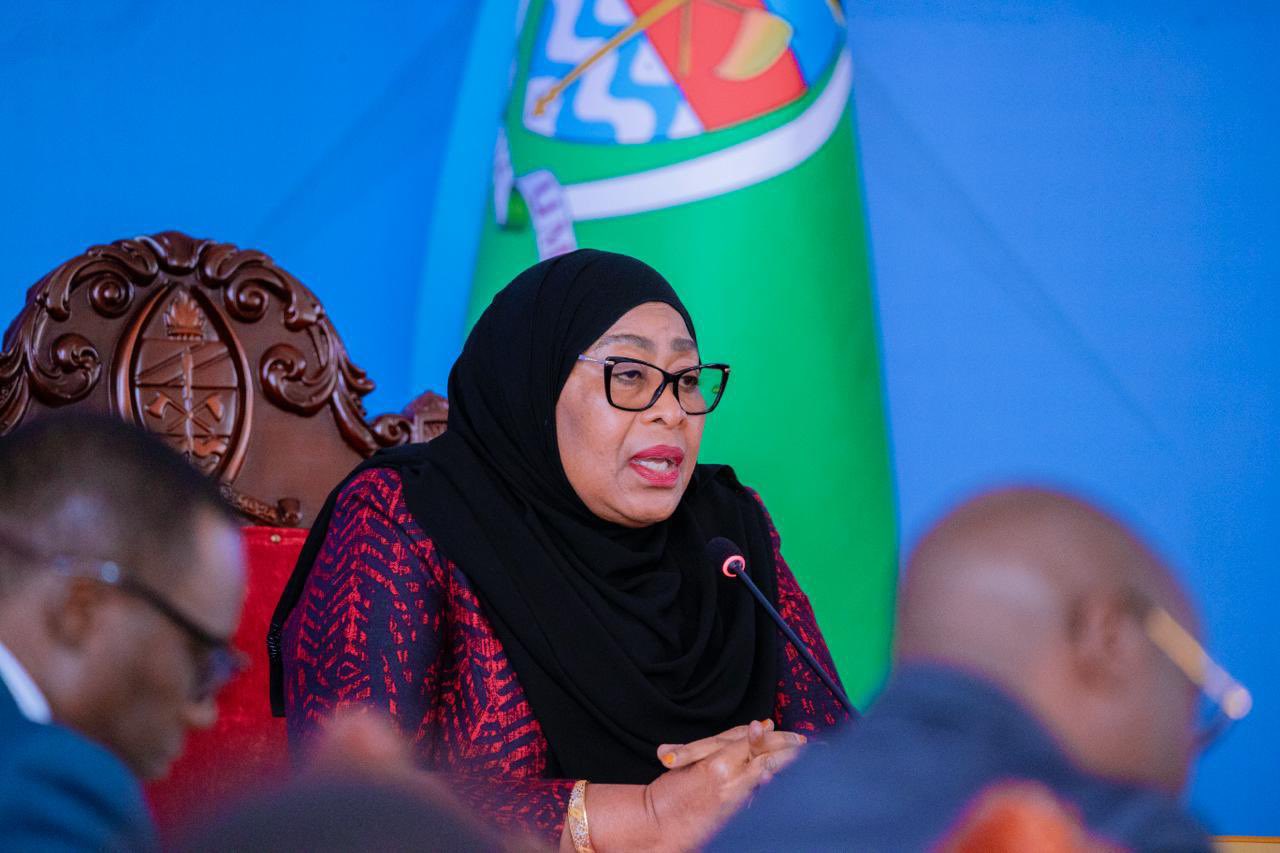
President Samia Suluhu Hassan later appointed a six-member regional commission to identify individuals for possible criminal accountability, giving it a 150-day mandate to investigate the violence more deeply.
The charge sheet and public statements reviewed for this story do not say whether Pambalu’s prosecution resulted from that commission’s work, which is tasked with examining planners, participants and financiers.
For CHADEMA, the new case adds a second treason prosecution against a senior official to a list of unresolved terrorism and election-related cases.
For the State, the charge will require proof of the specific legal ingredients set out in relevant laws, in proceedings whose outcome remains to be determined by the courts.