The Uniform Changes, the Hierarchy Does Not: A Personal Reflection on Five Hundred Years of Power
What I am left with is something more uncomfortable: the recognition that progress is real, and insufficient, and reversible.
What I am left with is something more uncomfortable: the recognition that progress is real, and insufficient, and reversible.

The echoes of Rome’s relentless military campaigns, the Byzantine Empire’s catastrophic sackings, the Ottoman Empire’s violent suppressions, and the British Empire’s brutal repressions are not just distant memories but relevant warnings.

This vision is plausible; it’s a tangible reality that can be achieved with strategic planning, investment, and innovation.
Let’s provoke a debate that questions our assumptions and seeks to understand the true nature of governance and its impact on human lives.
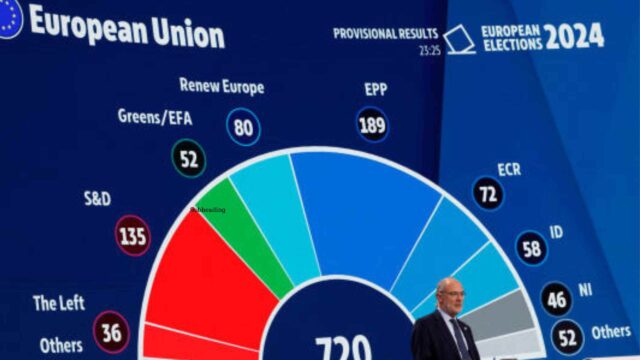
Economic hardship, societal changes, and a sense of lost sovereignty have led voters to seek alternatives that promise to restore national pride and economic stability.

Does Tanzania, as a nation, genuinely aspire to establish effective governance structures? If so, what mechanisms are in place to facilitate this ambition?
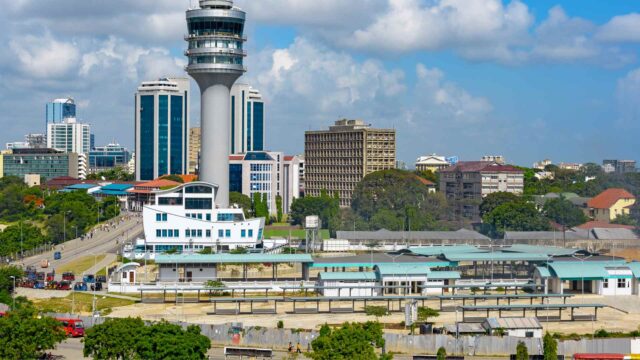
It’s time for Dar es Salaam to join the ranks of global metropolises and embrace innovation and forward-thinking in its pursuit of urban excellence and the city’s livability.
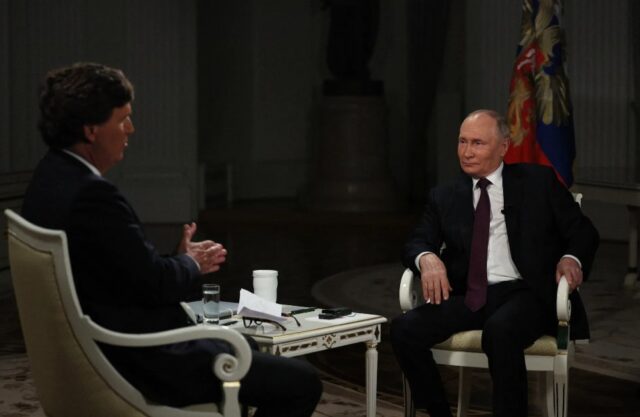
The recent interview between the two has sparked intense debate and reflection, not only on the content of their discussion but also on broader themes regarding the clash of civilisations, the role of media narratives, and the evolving landscape of global power dynamics.
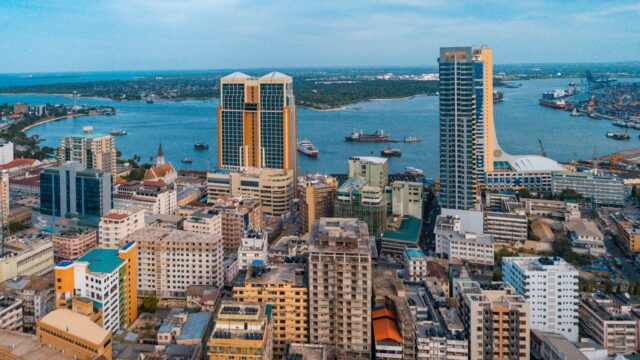
As Tanzania begins crafting its Vision 2050, strategic interventions must be taken to take Tanzania’s manufacturing industry to the next level.

The importation of ageing cars to Tanzania carries substantial environmental repercussions within the country and globally.