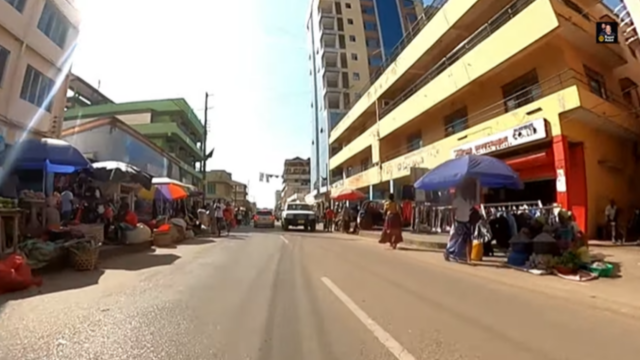
When Roads Become Markets: Tanzania’s Public Space Crisis
Streets built for movement are turning into informal markets and private parking—costing lives, fueling congestion, and eroding public trust.

Streets built for movement are turning into informal markets and private parking—costing lives, fueling congestion, and eroding public trust.
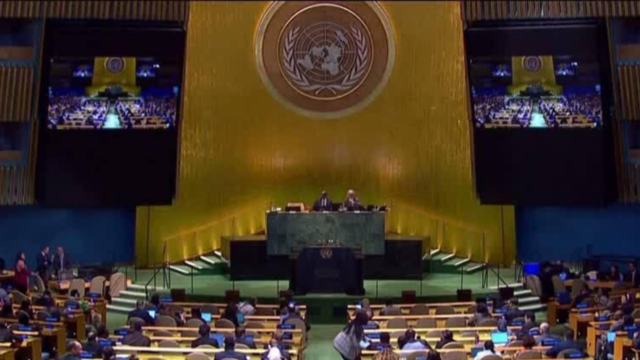
A non-binding resolution changes nothing unless Africa demands accountability, not aid.
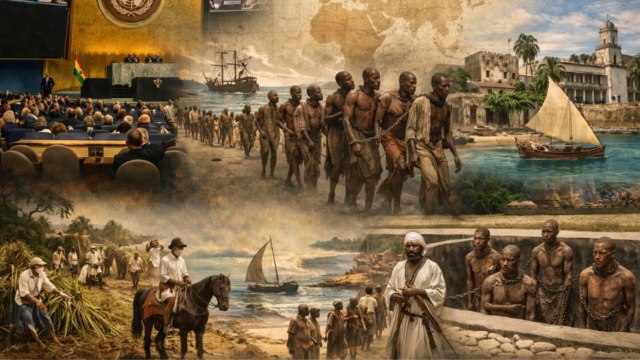
The UN has named the transatlantic slave trade a crime against humanity—but for East Africa, justice remains incomplete without recognising the Indian Ocean trade and colonialism.
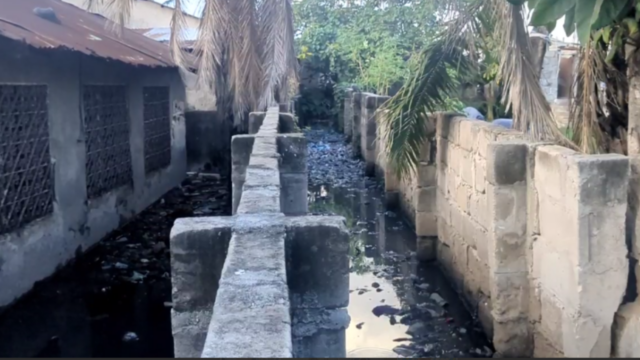
Tanzania faces severe flooding as the Masika rainy season intensifies, highlighting the urgent need for better urban planning and infrastructure management.

This Women’s Day, we must ask why history has buried rebel leaders like Tanzania’s Liti Kidanka, whose spiritual resistance against German colonisers challenges us to redefine whose stories we celebrate.
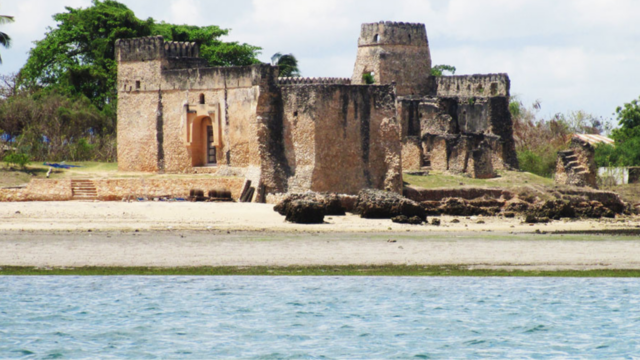
Before the Suez Canal, before container ships—East Africa was the centre of the Indian Ocean economy. Its ruins tell the truth we keep ignoring.

In a country near the equator, where intense UV radiation is a constant threat, sunscreen remains an unaffordable ‘cosmetic.’ For people with albinism, this misclassification has fatal consequences, but the risk extends to all Tanzanians.
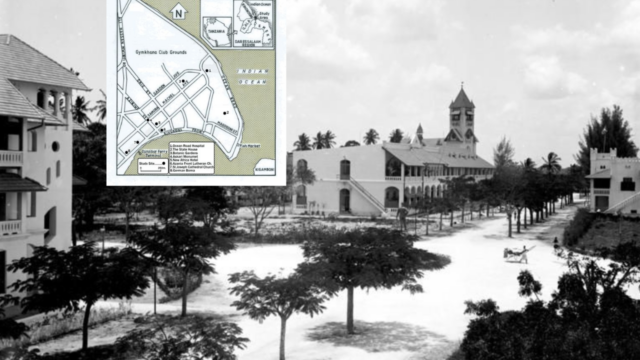
Patrick Hege’s new book reveals that the colonial city was built not from grand plans, but through the daily actions of police, traders, and intermediaries.
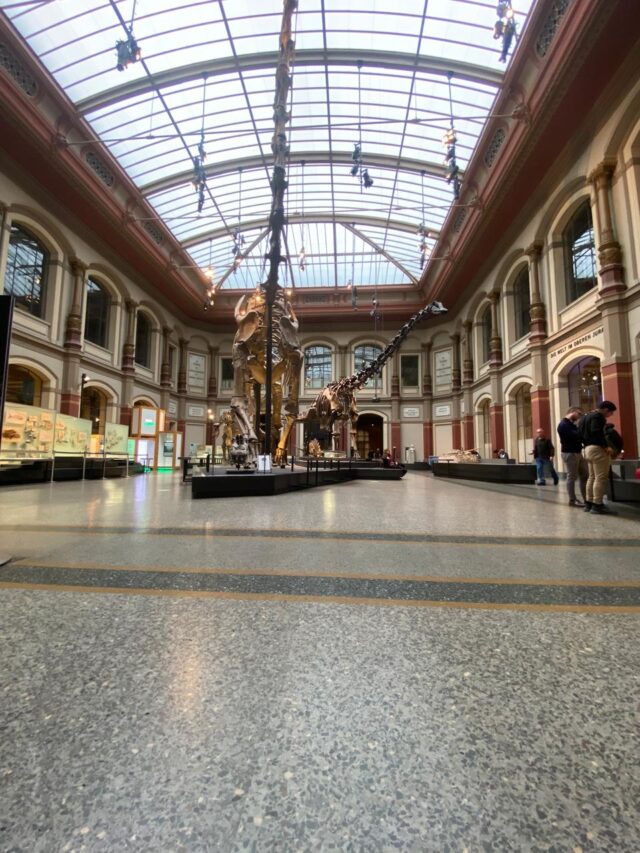
Legal hurdles explain why the fossil hasn’t returned to Tanzania. But has “complicated” become a convenient reason for inaction?

Tanzania’s significant Tendaguru dinosaur fossils, excavated during the colonial era, are currently much more visible in European museums than in their country of origin.