
Kivulini Talks: Tanzania’s Budget, Debt and Accountability — Are We Fine, or Headed for a Breaking Point?
Panelists debate Tanzania’s 2026/27 budget and ballooning national debt over whether it is truly “sustainable.”
Panelists debate Tanzania’s 2026/27 budget and ballooning national debt over whether it is truly “sustainable.”
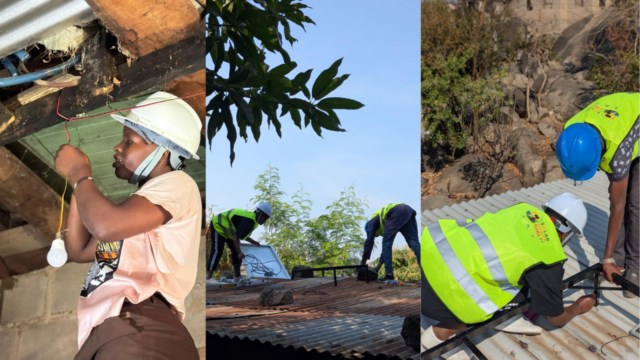
In Tanzania’s second-largest city, solar power is lighting homes and hope — but families say the real change will come when reliable electricity is a right, not a cost they can’t afford.

Tanzania’s startup scene isn’t lagging behind—it’s building its own unique foundation, and judging it by mature-market standards is comparing apples to saplings.
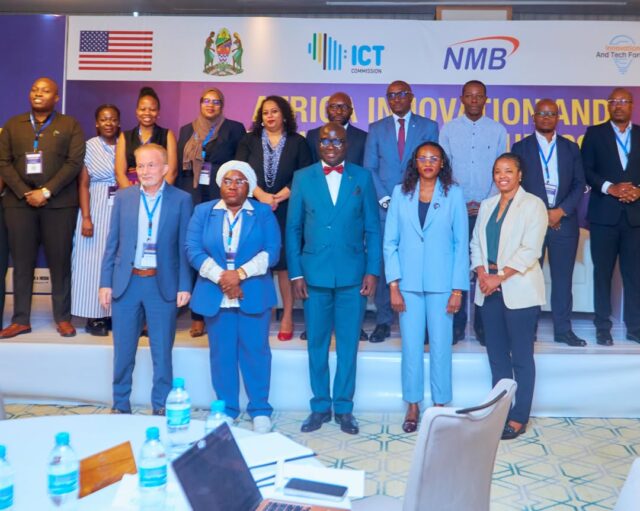
Experts say Tanzania must reform digital policies and empower the private sector to unlock a trillion-dollar economy.
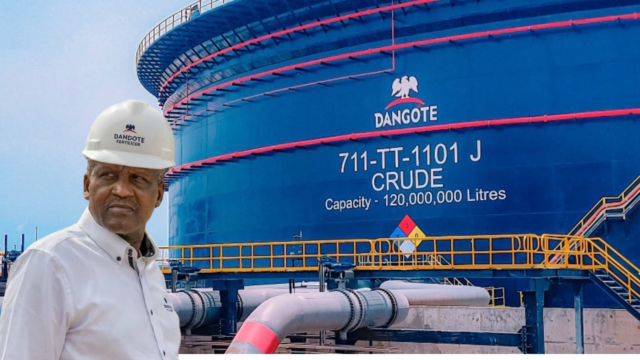
The government should offer Dangote a practical and competitive investment framework, shield the project from entrenched cartel interests, and position the refinery as a catalyst for regional industrial transformation.
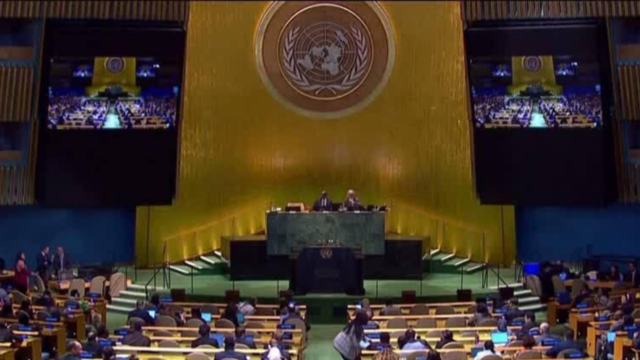
A non-binding resolution changes nothing unless Africa demands accountability, not aid.
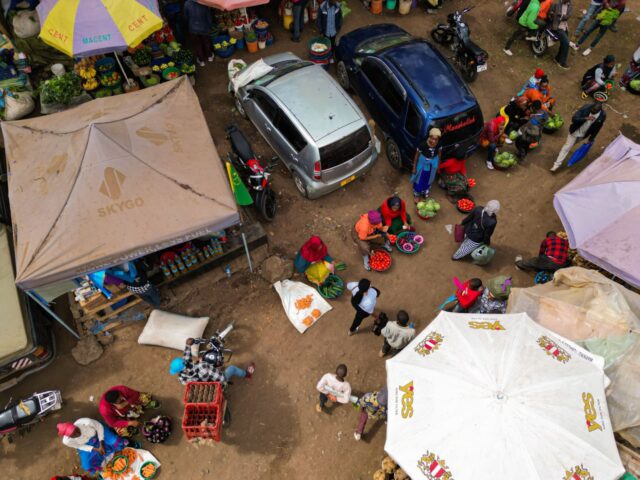
What happens when citizens stop suffering in isolation and begin to recognise their collective struggles?
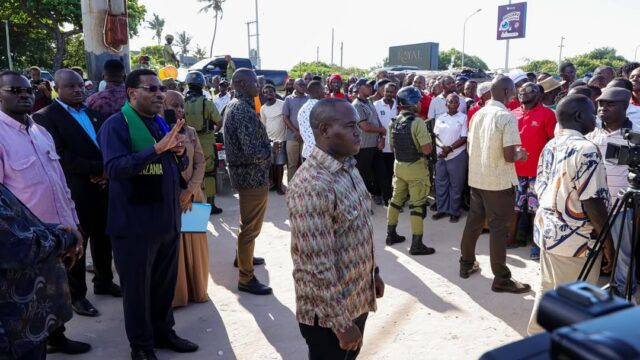
The government assures Coco Beach vendors their public space will not be sold to private developers, securing their livelihoods after public outcry.

Small-scale traders at Coco Beach plead for President Samia’s intervention to stop their eviction, which threatens their livelihoods and the privatisation of a public space.

What I am left with is something more uncomfortable: the recognition that progress is real, and insufficient, and reversible.