
Gen Z wa Tanzania na Nini Haswa Maana ya Mafanikio ya Nchi
Kwa kizazi hiki, mafanikio hayapimwi kwa historia ya tulikotoka pekee, bali pia kwa ubora wa maisha wanayoishi leo na matarajio wanayoyaona kesho.
Kwa kizazi hiki, mafanikio hayapimwi kwa historia ya tulikotoka pekee, bali pia kwa ubora wa maisha wanayoishi leo na matarajio wanayoyaona kesho.

Tanzania’s choice between personalised and institutional accountability will decide if public service drives national development or succumbs to political transaction.

The IMF has approved a US$443.9 million disbursement to Tanzania after reviews of its economic reform program, while urging faster implementation of reforms amid global risks.

Panel discussion at Tanzania Democracy Forum highlights how resource conflicts, marginalisation, and restricted civic space create conditions for radicalisation.

Analysts view the Saba Saba call as another sign of the need for political reforms to address ongoing challenges, including demands for accountability over the October 2025 election crisis.

President Samia’s remarks linking some activists’ actions to terrorism have sparked debate among civil society, opposition figures, and democracy stakeholders over the role of activism in Tanzania’s civic space.

Bishop Bagonza warns that systemic barriers are locking Tanzanian youth out of political power and economic opportunity, demanding an urgent overhaul of civic education and political culture to break the cycle.

A Slovenian exhibition confronts the colonial imbalance of Tanzanian artefacts being more accessible to Europeans than Tanzanians, asking who truly holds the right to tell the nation’s history.
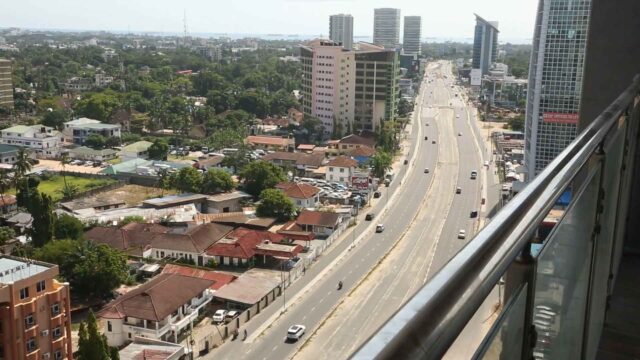
Tanzania’s startup scene isn’t lagging behind—it’s building its own unique foundation, and judging it by mature-market standards is comparing apples to saplings.

Sheikh Mwaipopo’s move to announce a militia is fueling fears of state-tolerated impunity