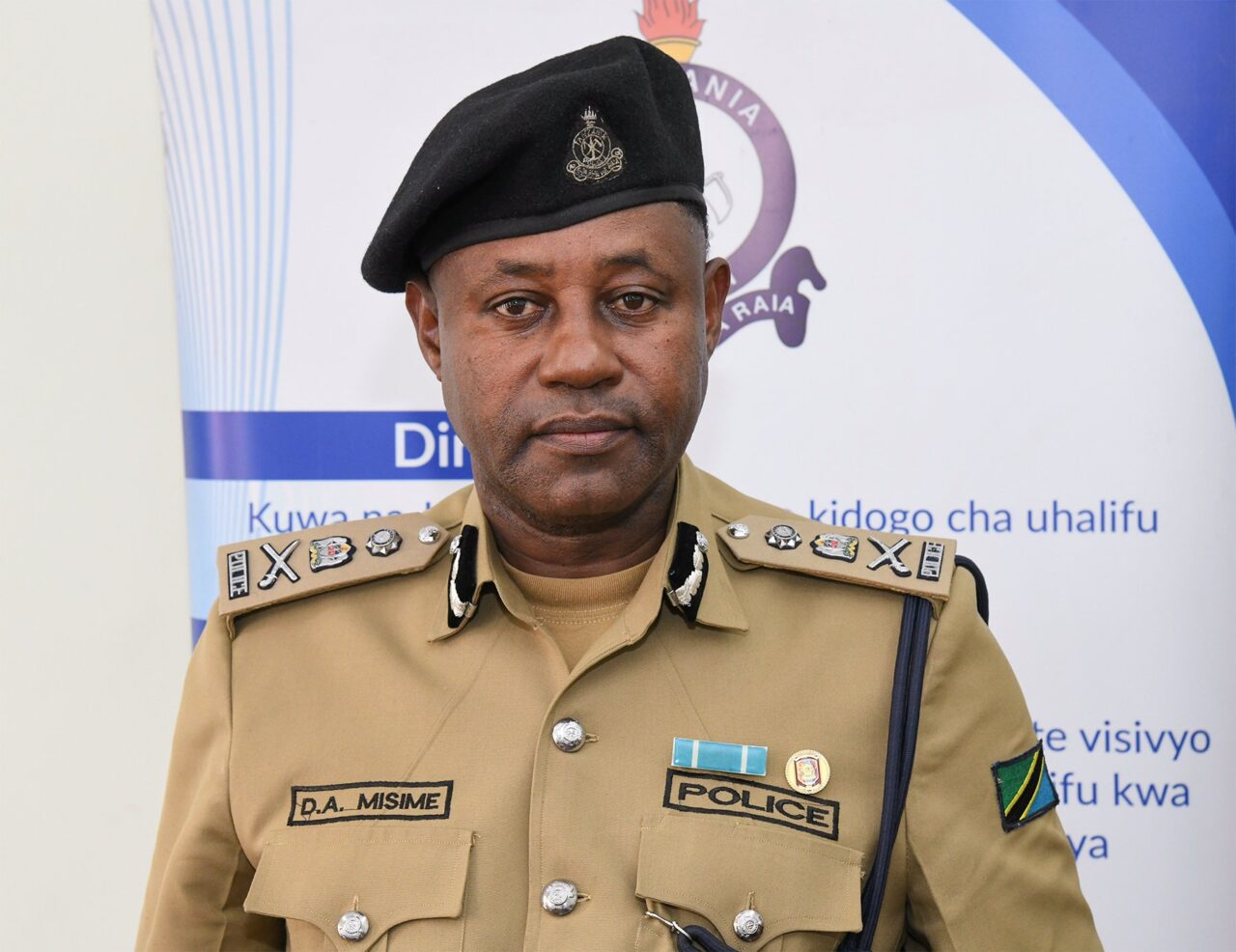

Tanzanian Prime Minister, Mwigulu Nchemba, has disputed the estimated death toll of 10,000 reported by various activists following a security-force crackdown over election-day protests. Speaking in Uyole, Mbeya, on December 18, 2025, after inspecting a primary court that was burned during the unrest, Nchemba argued that individuals independently collecting death-toll figures are doing so for monetary gain.
“Here we are consoling each other, our colleagues are busy, because they are getting paid from this chaos, they are busy asking, how many have died?,” Nchemba said.
“They are counting, they are paid based on this tragedy, they are trading with the lives of Tanzanians that when many die, that’s when they get a lot of money. That’s why they suddenly shout, ten thousand people have died, ten thousand have died? were you there?” he asked.
Following the October 29 election protests, Tanzania witnessed a heavy security crackdown, including a nationwide curfew that was lifted on November 03. The events led to the killing of civilians, some who were protesting and others in various areas, including inside their homes.
The Tanzanian government has discouraged public announcements of death toll figures. The Prime Minister has argued that the government cannot release such numbers because life is sacred, and announcing figures might be perceived as a celebration. Several independent organizations have estimated the death toll between 3,000 and some activists suggest 10,000, based on confirmed deaths, a figure the government strongly disputes.
Some video recordings showing people who were shot and killed, captured by witnesses and relatives, have already put the death toll in the hundreds. However, Prime Minister Nchemba has challenged this video evidence, claiming some clips originate from other locations.
“You take pictures of Darfur, and put them [saying] their are from Tanzania. Matters involving losing a person are sensitive matters, they are painful matters, and people keep telling us daily: ten thousand, ten thousand.”
There have been complaints from relatives searching for the bodies of loved ones confirmed dead through pictures, or reported missing after being taken to hospitals during the protests. Prime Minister Nchemba clarified that relatives should file reports with the Presidential Commission established to investigate the October 29 violence.
“The President has formed a Commission, if someone has not located their relative,they should report it there so it can be known,” he said.
Religious bodies, diplomatic communities, and several rights organizations have called on the Tanzanian government to release bodies of those killed for proper religious or traditional burial.
While the United Nations Human Rights has highlighted on reports of security forces removing bodies from streets and hospitals and taking them to undisclosed locations, Prime Minister Mwigulu has trashed on claims of hiding bodies.
“You just say ten thousand, do you know what ten thousand is? Some of us who grew up in Sekenke [hills], when a bus with sixty people crashes, and it’s not even all of them sixty have died; some are found injured. The blood will remain there for two months, and the birds those that detect smell will surround the area everywhere,” Prime Minister Nchemba continued in his address.
“And then Dar es Salaam, people [say]—ten thousand people in five days, and the place remain just bare as it is, you know: you can hide bodies, but you cannot hide people grieving,” he emphasized.
The Presidential Commission of Inquiry, launched on November 20, 2025, is expected to operate for ninety days. It has announced that it has already begun its work and invited Tanzanians to submit information, including pictures and video evidence, through official phone numbers and email addresses shared publicly. The commission has continued to face questions over its independence and credibility; three citizens have filed an official petition at the High Court against the commission.