
Dar es Salaam – A US$1.4 billion agreement to overhaul the ailing Tanzania-Zambia Railway Authority (TAZARA) has been met with a mixture of official optimism and sharp public criticism.
The deal, signed in November 2025, grants China Civil Engineering Construction Corporation (CCECC) a 30-year concession to operate the vital 1,860-kilometre trade route in exchange for the investment.
While the governments of Tanzania and Zambia have hailed the project as a transformative economic opportunity, opposition figures and analysts have questioned the transparency and long-term benefits of the arrangement, citing concerns over national sovereignty and financial terms.
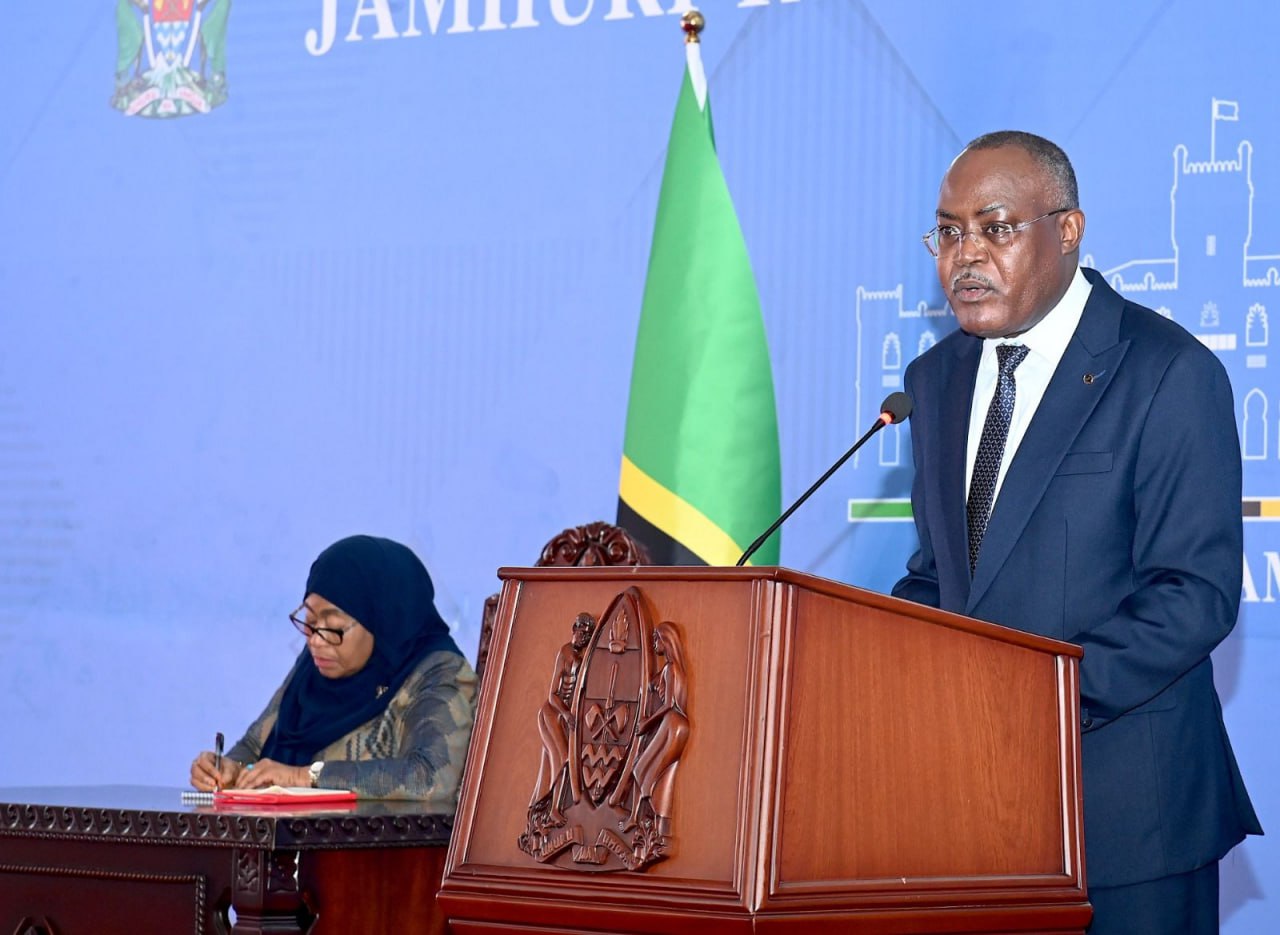
The controversy intensified following a public clarification by Tanzanian government spokesperson Gerson Msigwa on December 29, 2025. He defended the deal, stating it would end years of operational losses and turn the railway into a commercially viable corridor.
According to the agreement, CCECC will invest for three years and then operate the line for 27 years, paying the Tanzanian government US$30 million annually. Mr Msigwa noted that Tanzania currently spends over Sh28 billion (approximately US$11 million) each year just to sustain TAZARA’s operations.
READ MORE: Tanzania, Zambia and China Launch TAZARA Railway Rehabilitation
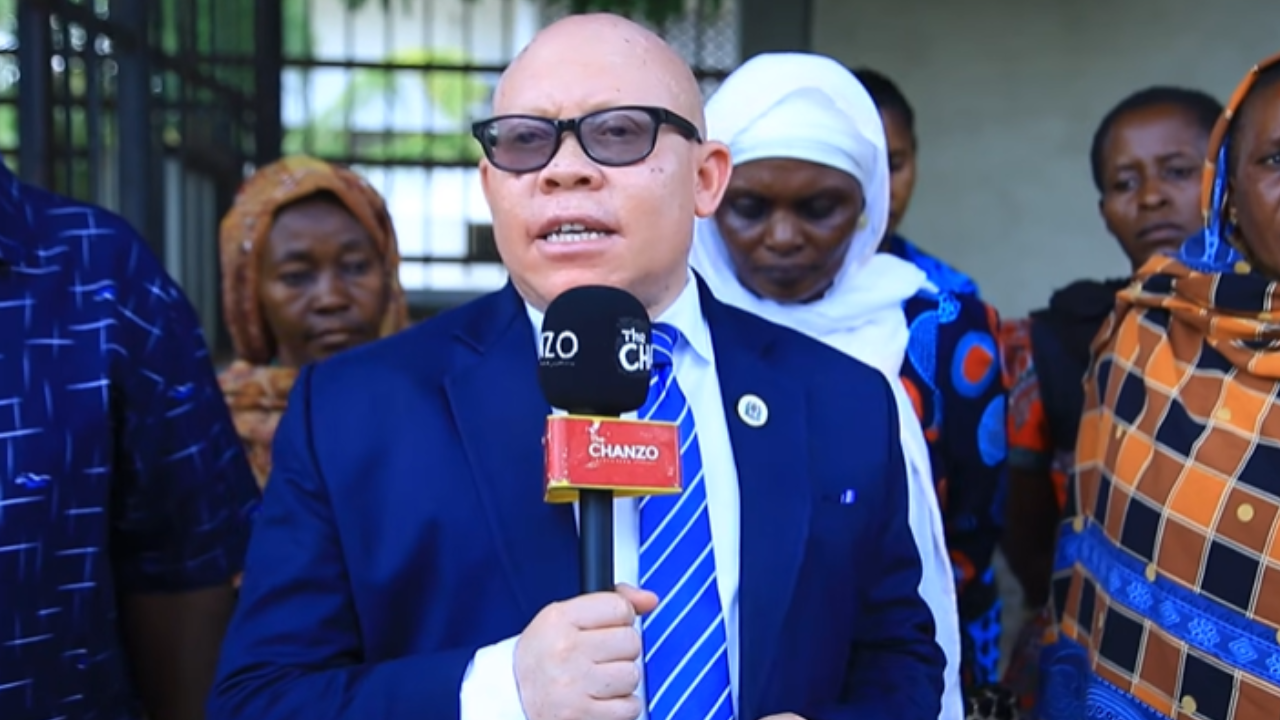
However, this has not quelled dissent. In Tanzania, John Heche, the deputy chairperson of the opposition party CHADEMA, publicly condemned the deal on December 29, 2025, labelling it “another corrupt project to sell the country.”
Writing on X, formerly Twitter, the former lawmaker questioned the value of the US$30 million annual payment over a 30-year period and alleged that the agreement was not debated in Parliament as required for deals involving national assets. “Why are these people selling our country as if it has no owner?” he asked in a widely circulated social media post.
Similar concerns have been voiced in Zambia. An editorial in the Zambian newspaper News Diggers! on December 10, 2025, urged that the concession must prioritise the nation’s interest, questioning whether the country was truly benefiting from the deal.
Dr Charity Musamba, a development studies lecturer at the University of Zambia, also warned that the project risked becoming a “debt trap” without a clear and detailed implementation plan from the government.
The TAZARA railway, also known as the “Great Uhuru Railway,” was originally built by China between 1970 and 1975 as a landmark project of Cold War-era diplomacy, providing a crucial export route for Zambia’s copper to the Port of Dar es Salaam.
However, the line has been plagued by decades of underfunding, inconsistent maintenance, and ageing infrastructure. It currently operates at a significant loss, transporting a fraction of its designed freight capacity.
A series of fatal accidents in 2025, including derailments and collisions that killed several employees, has underscored the urgent need for a comprehensive overhaul.
Officials from all three countries maintain that the revitalisation is essential. At the project’s launch in Lusaka, Zambian President Hakainde Hichilema described the railway as a “critical economic corridor,” while Tanzanian President Samia Suluhu Hassan has actively championed the deal as a key part of her economic strategy.
The investment is expected to increase freight volumes from less than 500,000 tonnes to over two million tonnes annually, boosting the transport of minerals like copper and cobalt, which are in high demand for green technologies, as well as agricultural products across the Southern African Development Community (SADC) region.