
Dar es Salaam – In her first cabinet shake-up since being sworn in for a second term, President Samia Suluhu Hassan, on January 8, 2026, dismissed the Minister for Home Affairs, George Simbachawene, and appointed Paul Makonda as the new Minister for Information, Culture, Arts and Sports.
The move has stunned observers, coming at a time when the government is publicly advocating for reconciliation after a deadly crackdown on post-election protests.
The reshuffle appears to contradict the president’s recent efforts to mend national divisions. In her New Year’s address, President Samia spoke about her decision to form a national reconciliation commission to restore trust among citizens following the violence of October 29, 2025, when security forces were implicated in serious human rights violations.
“As we enter 2026, the government has started steps to build national unity. We will work with all stakeholders to agree on the commission’s framework,” she said. “The goal is to ensure that Tanzanians can resolve differences through dialogue, respect, and the rule of law.”
However, the removal of Mr Simbachawene, who had become the face of this reconciliation drive, has led many to question the government’s sincerity. Since his appointment on November 17, 2025, Mr Simbachawene has spoken frequently about the need to reform the Tanzania Police Force and restore public trust in security organs, messages that resonated with those calling for accountability for police brutality.
His dismissal raises questions about whether his reformist stance, which he always claimed was directed by the president, was genuinely supported by the administration.
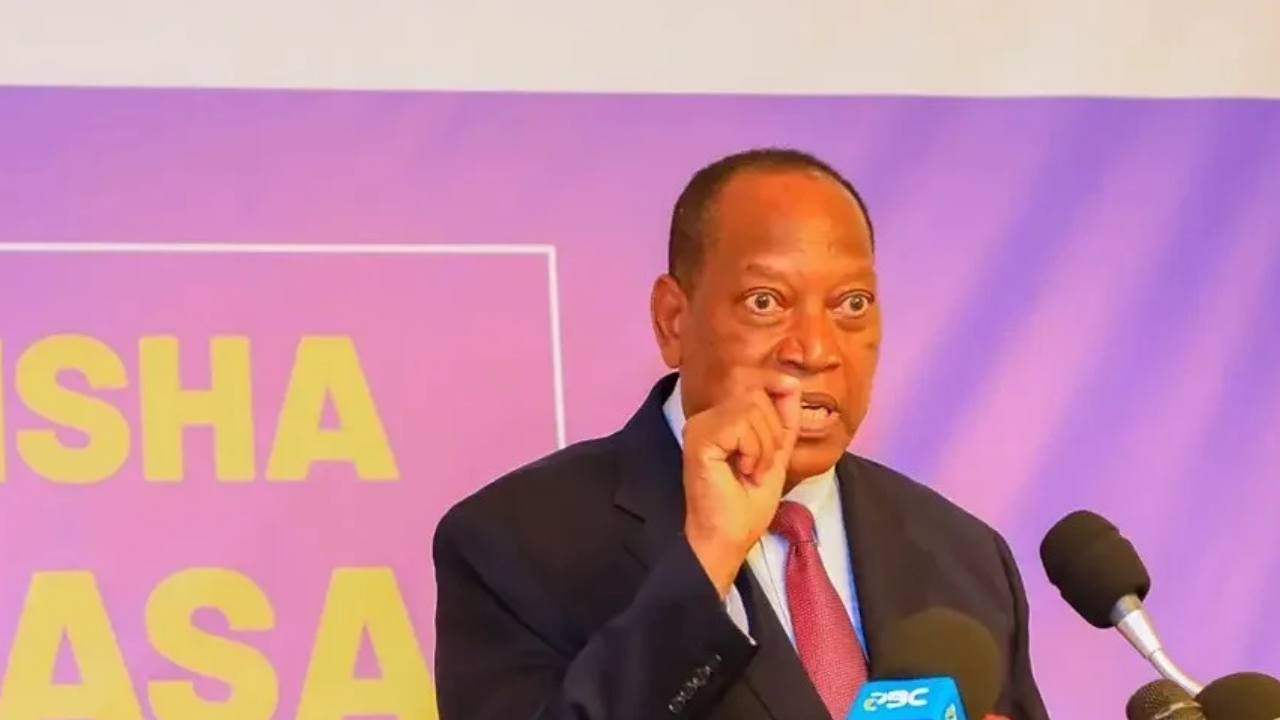
Adding to the consternation is the appointment of Mr Makonda to the information portfolio. As the former Regional Commissioner for Dar es Salaam, Mr Makonda is a deeply divisive figure. The United States Department of State publicly designated him and his wife in January 2020, making them ineligible for entry into the US due to his involvement in “gross violations of human rights.”
The designation cited his implication in the oppression of the political opposition, crackdowns on freedom of expression, and the targeting of marginalised individuals.
Media stakeholders are particularly alarmed by Mr Makonda’s appointment, recalling his infamous raid on the offices of Clouds Media Group (CMG) in March 2017. Accompanied by armed men, Mr Makonda stormed the television station in an attempt to force the broadcast of a video aimed at discrediting a local pastor.
A subsequent probe by the Media Council of Tanzania found that he had intimidated journalists and violated press freedom. The incident led to the dismissal of the then-Information Minister, Nape Nnauye, who had ordered the investigation.
| Key Figure | Previous Role | New Role / Status | Significance |
|---|---|---|---|
| George Simbachawene | Minister for Home Affairs | Dismissed | Was seen as the face of post-election reconciliation and police reform. |
| Paul Makonda | Deputy Minister | Minister for Information | Controversial figure with a US travel ban for human rights abuses and a history of intimidating the media. |
| Patrobas Katambi | Deputy Minister of Industry and Trade | Minister for Home Affairs | Replaces Simbachawene. |
| Prof Palamaganda Kabudi | Minister for Information | Minister of State, President’s Office-Special Task | Moved to a much critical role. |
The reshuffle occurs as Tanzania remains under an international spotlight. The violent response to the youth-led protests on October 29, 2025, drew condemnation from human rights organisations and the European Parliament. These bodies have consistently called for accountability for the atrocities.
READ MORE: Tanzanian Lawyers Bring Election Dispute to East African Court
The appointment of a figure like Mr Makonda, who is subject to international sanctions for human rights abuses, sends a mixed message to both the Tanzanian public and the international community.
Critics fear it signals a renewed focus on controlling the media narrative rather than acknowledging its role as a key stakeholder in the country’s development and reconciliation.
Other changes in the reshuffle include the appointment of Patrobas Katambi as the new Minister for Home Affairs. Several new ambassadors were also named, including Major General Mbaraka Mkeremy, the former head of defence intelligence, and Waziri Rajab Salum, the president’s private secretary.