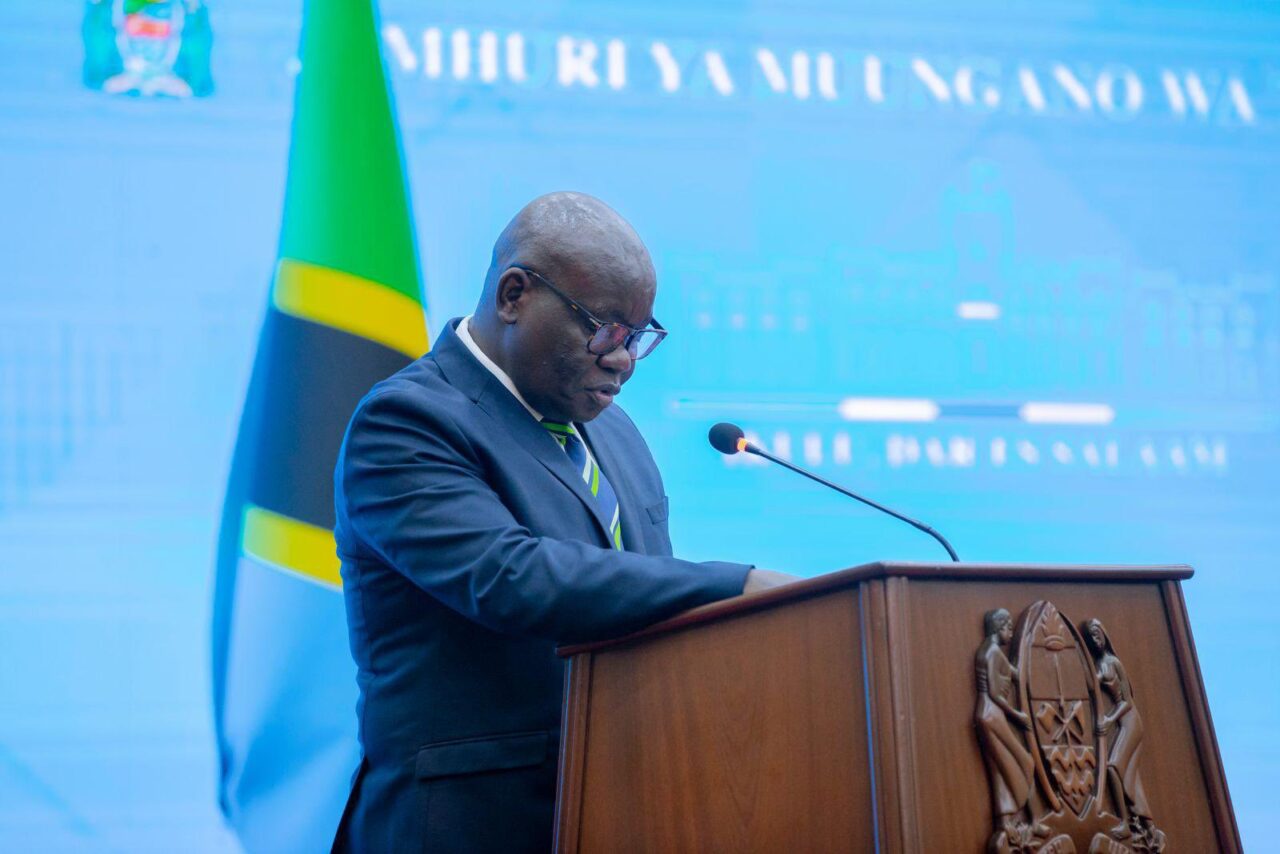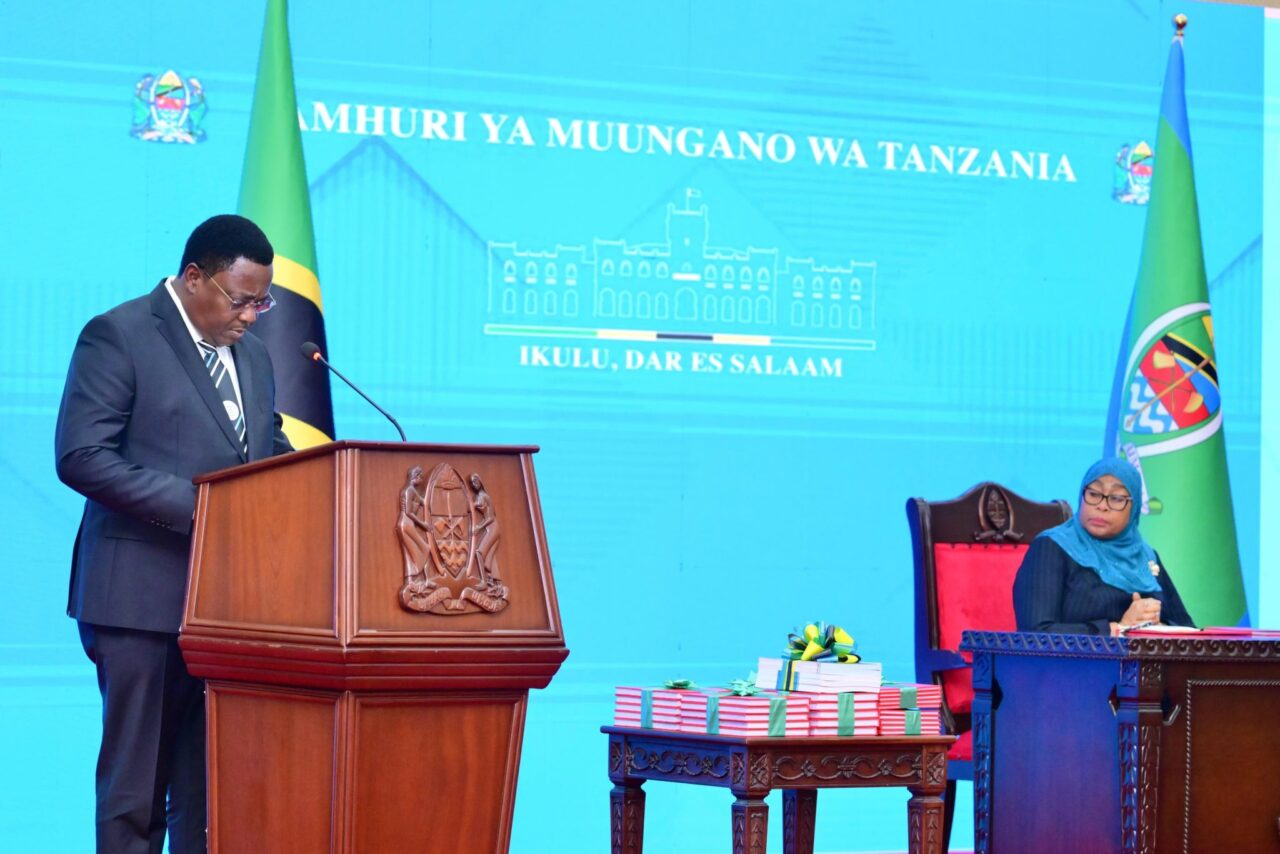

Dar es Salaam – The Bank of Tanzania (BoT) announced on January 8, 2026, that it would keep its central bank rate (CBR) unchanged at 5.75 per cent, marking the second consecutive quarter the rate has been held steady.
The decision, made by the bank’s Monetary Policy Committee (MPC), is based on projections that inflation will remain within the government’s target range of three to five per cent throughout the year.
In a statement, the MPC said that favourable economic conditions were expected to persist and that maintaining the current rate would “support robust economic growth.” The central bank will implement its policy to ensure the 7-day interbank lending rate remains within a corridor of 3.75 to 7.75 per cent.
The decision comes as the East African nation’s economy shows resilient performance. The mainland economy grew by approximately 5.9 per cent in 2025, nearly hitting the 6 per cent projection, with strong performance in the agriculture, mining, and construction sectors. The economy of Zanzibar is estimated to have grown even faster, at 6.8 per cent, driven by construction, tourism, and manufacturing.
BoT Governor Emmanuel Tutuba, who chairs the MPC, noted that the country’s inflation remained low, averaging 3.5 per cent in mainland Tanzania during the final quarter of 2025.
READ MORE: Treasury Bonds and Bills Oversubscribed as Investors Seek Risk-Free Returns
“This was due to prudent monetary policy and favourable global conditions, which provided relief to the exchange rate and lowered imported inflation,” he said.
The stability of the financial sector was another key factor in the decision. Credit to the private sector expanded by a robust 20.3 per cent in 2025, and the banking sector’s ratio of non-performing loans (NPLs) stood at 3.1 per cent, well below the regulatory ceiling of 5 per cent. This indicates a healthy lending environment and sound credit risk management.
Externally, the country’s current account deficit narrowed to a five-year low of 2.2 per cent of GDP in 2025. This improvement was attributed to a significant rise in exports, particularly gold, agricultural products, and tourism services, coupled with a decline in global oil prices.
The Tanzanian shilling also showed stability, appreciating by about 0.8 per cent against the US dollar in the last quarter of 2025. The nation’s foreign exchange reserves remain strong at over US$6.3 billion, sufficient to cover nearly five months of imports.
The BoT’s decision to hold its rate contrasts with the higher policy rates in neighbouring countries like Kenya (9 per cent) and Uganda (9.75 per cent), positioning Tanzania with one of the more accommodative monetary policy stances in the region.
READ MORE: Mixed Fortunes at the Pump as Tanzania’s Fuel Prices Adjust for January
The move aligns with the broader economic strategy under President Samia Suluhu Hassan, which focuses on fostering a stable and attractive environment for investment as the country begins to implement its Development Vision 2050.
The next monetary policy decision for the second quarter of 2026 is scheduled to be announced on April 3, 2026.