
The Government of Tanzania has reaffirmed its tough stance on restricting foreign nationals from engaging in small-scale businesses reserved for citizens, warning that lax enforcement of the law will no longer be tolerated.
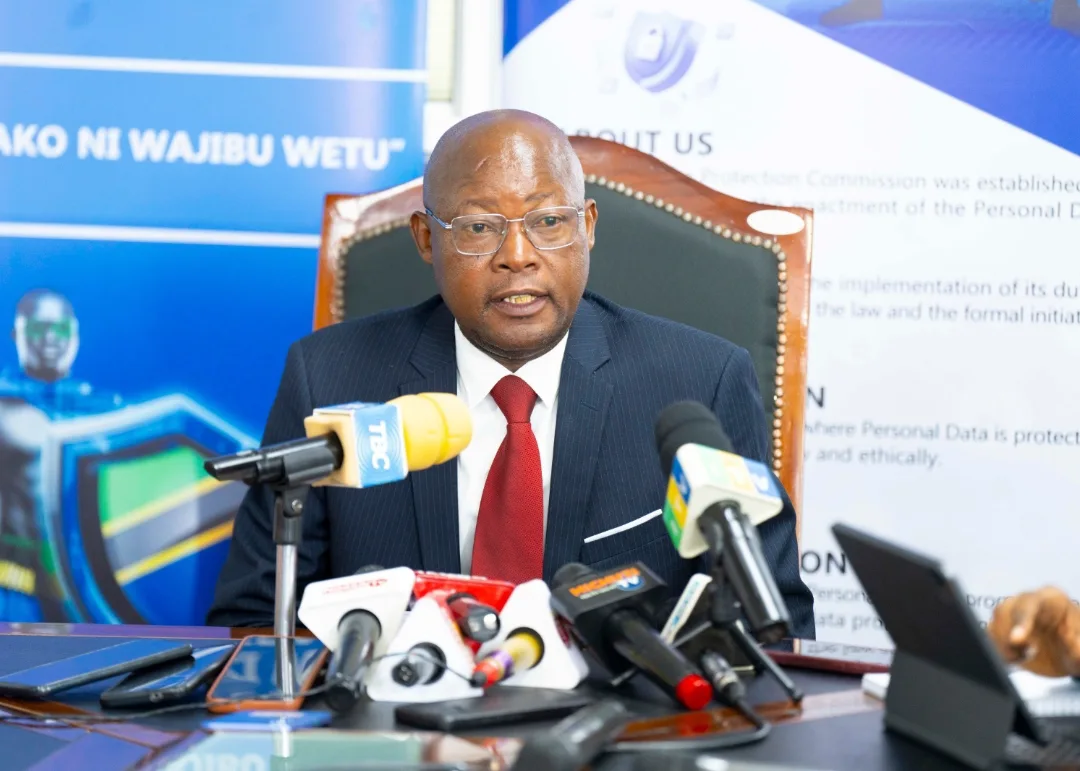
Speaking on January 14, 2025, during a high-level working session that brought together the Prime Minister and ministries responsible for labour, public service and government performance, Prime Minister Mwigulu Nchemba said the legal framework governing such businesses is already in place but has not been adequately enforced.
“Businesses that are supposed to be carried out by Tanzanians were clearly stipulated in the law passed by the previous Parliament. We have not enforced it properly, and now it is time to deploy our officers and ensure the law is implemented as directed,” he said.
Nchemba added that the Minister for Foreign Affairs has been brought in to help explain the regulations to foreign nationals who fall under the restricted categories, noting that every country has its own laws which must be respected and enforced accordingly.
The renewed push follows the issuance of the Business Licensing (Prohibition of Business Activities for Non-Citizens) Order, published on July 28, 2025, through Government Notice No. 487A. The order, signed by former Minister for Industry and Trade Selemani Jafo, bars non-citizens from engaging in 15 categories of small-scale businesses, a move the government says is aimed at protecting jobs and income opportunities for Tanzanians.
READ MORE: Is the Controversy Over Foreign Traders at Tanzania’s Kariakoo Market Exaggerated?
Among the prohibited activities are ownership or operation of small industries, money agency services, brokerage in commercial and land transactions, repair of mobile phones and electronic devices, household and office cleaning services, customs clearing and forwarding, small-scale mining, and the direct purchase of agricultural produce from farms.
The directive sparked debate, particularly among stakeholders within the East African Community (EAC), who urged member states to uphold Common Market Protocol commitments and strengthen regional economic integration.
Despite the concerns, the Prime Minister defended the government’s position, citing cases where foreign traders allegedly dominate entire business value chains while operating informally and evading taxes.
“You have seen what happens in some areas. They control the entire chain, yet they are not registered and do not pay taxes. Money is packaged and transferred through unofficial channels. We cannot allow people to come and simply harvest from our country. Tanzania is not anyone’s backyard,” Nchemba said.
READ MORE: Two Chinese Nationals Charged in a Sh2 Billion Money Laundering Scheme
His remarks come amid intensified investigations by law enforcement agencies, including the Prevention and Combating of Corruption Bureau (PCCB). In a recent operation, Chinese nationals were arrested after being found with large sums of cash in Tanzanian shillings and US dollars, with a combined value estimated at nearly Sh2 billion.
Government officials insist the measures are not discriminatory but are intended to enforce the law, safeguard the domestic economy and ensure Tanzanians are the primary beneficiaries of small-scale business opportunities within the country.