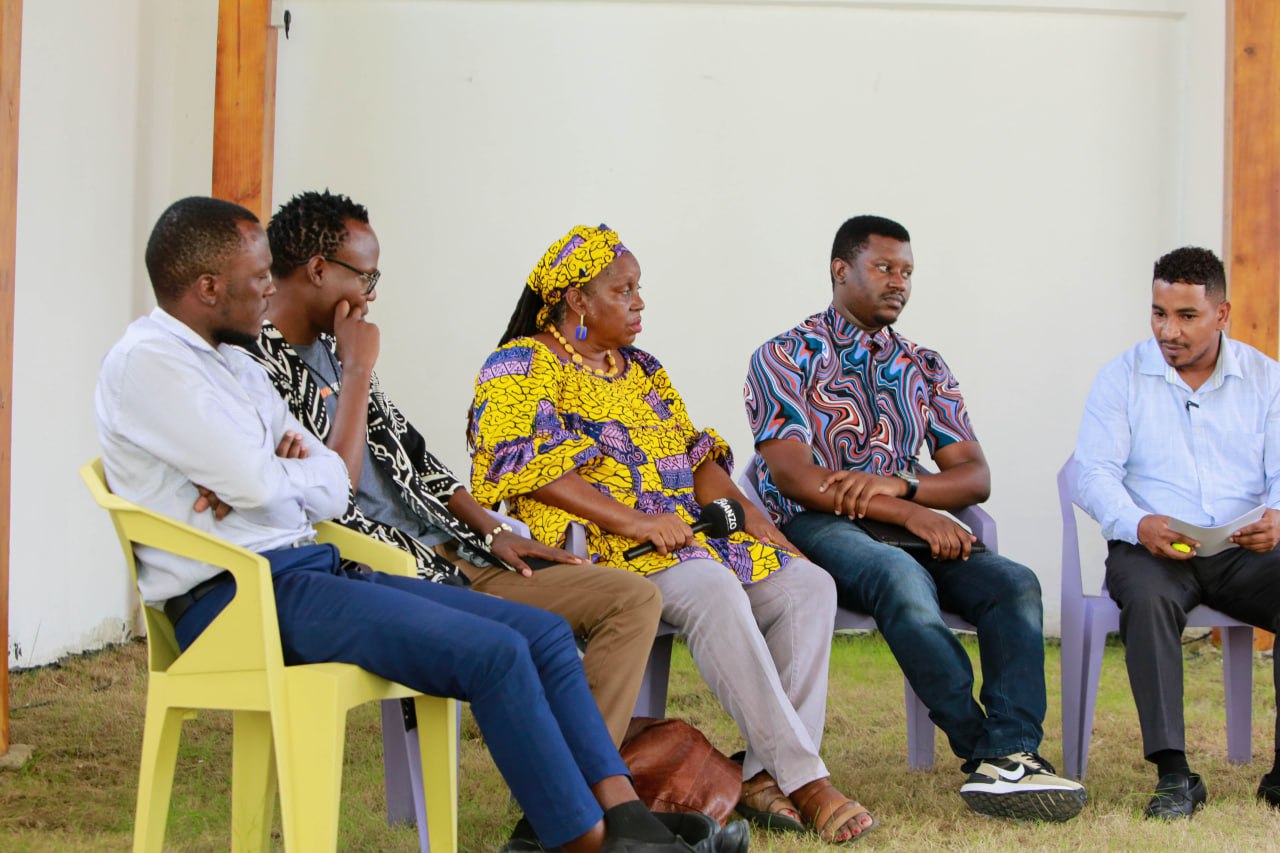

Dar es Salaam. Several families appeared before a presidential commission established to investigate incidents that occurred in Tanzania following election protests and a subsequent security crackdown that resulted in the killing of civilians.
Speaking to commission members on Monday, January 19, 2026, several families reported seeing the bodies of their loved ones, only for them to later disappear from hospitals. Salum Mwinyimangala, a resident of Buguruni kwa Mnyamani, recounted how his son was shot dead by a sniper, and his body was later disappeared from hospital.
“While he was returning home from his activities, there was a commotion on the way. Where he was shot, the police officer was stationed somewhere up and was shooting recklessly. He shot my child in the head; the bullet entered at the forehead and exited,” Mwinyimangala said.
He continued: “Good Samaritans took him to the Plan Hospital. I was called on the phone and told, “Your child has been shot and has collapsed.” I went to the scene and found blood there. I asked where he was and was told he had been taken to Plan Hospital.”
“I went to Plan Hospital and found the body of the deceased and closed his eyes. The doctor there took my statement and told me to come back the next day to collect the body. I had closed my child’s eyes. Then his brother made arrangements to put a plaster band on him—he wrote his own name and phone numbers on it and tied it to his arm so that there would be no difficulty identifying him later,” he explained.
READ: Funerals Without a Body: A New Kind of Grief in Tanzania Following October 29 Unrest
“The next day, we went there to ask where the body was, and we were told that it had been taken to Amana Hospital. We then went to Amana Hospital, but we were stopped and told that we could not proceed until the government issued further instructions. We returned to Amana the next day, but we couldn’t find the body. We began going around to different hospitals trying to trace the body. In the end, the body went missing, and up to today, the body of the deceased has never been found.”
Judith Barnabas also explained how her family lost their father after he went out to buy daily necessities, only for them to later receive information that he had been shot in the chest.
“It was on the 30th. He left in the morning at around eight o’clock. We were unable to go outside because there was unrest, so my father went out alone to buy necessities. When he reached the area around Moshi Bar, the situation became chaotic. It was around eleven o’clock or so,” she narrated.
“Mother then had to call him because he was not coming back. She called three times, but the phone was not answered. When she called the fourth time, someone else answered the phone and told her, follow this person to Amana Hospital; he has been shot in the chest.”
Judith explained that her father’s older brother was called in to assist the family in searching for the body of their deceased parent.
“We were unable to leave the house because the situation was very chaotic. On Saturday, we sent his relative. When he went there, he found the body at Amana Hospital. He was the only elder there; the others were young people. They told him that he could not take the body because of the unrest.”
“When we went again on Tuesday, we found that the body was no longer there. We had already prepared for the burial, so we were forced to postpone it and start all over again searching for the old man. We began searching in all hospitals. We went to Amana, Muhimbili, Temeke, and Kivule, but we did not find him.”
“In the end, we had no choice but to return home, collect clothes, and travel to Musoma. Up to today, we have not found him,” she said.
The issue of missing bodies is among the major plights faced by the country following the October 29 protests. Several organizations, including the Catholic Church, the Lutheran Church, and various diplomatic missions, have called on the government to ensure that the bodies of the deceased are handed over to families for burial.
The total death toll following the protests remains unknown, though several organizations have estimated the number to be between 3,000 and 10,000 people. The government, through the Prime Minister, has disputed the figure of 10,000 and has discouraged the tallying or public release of any death figures.
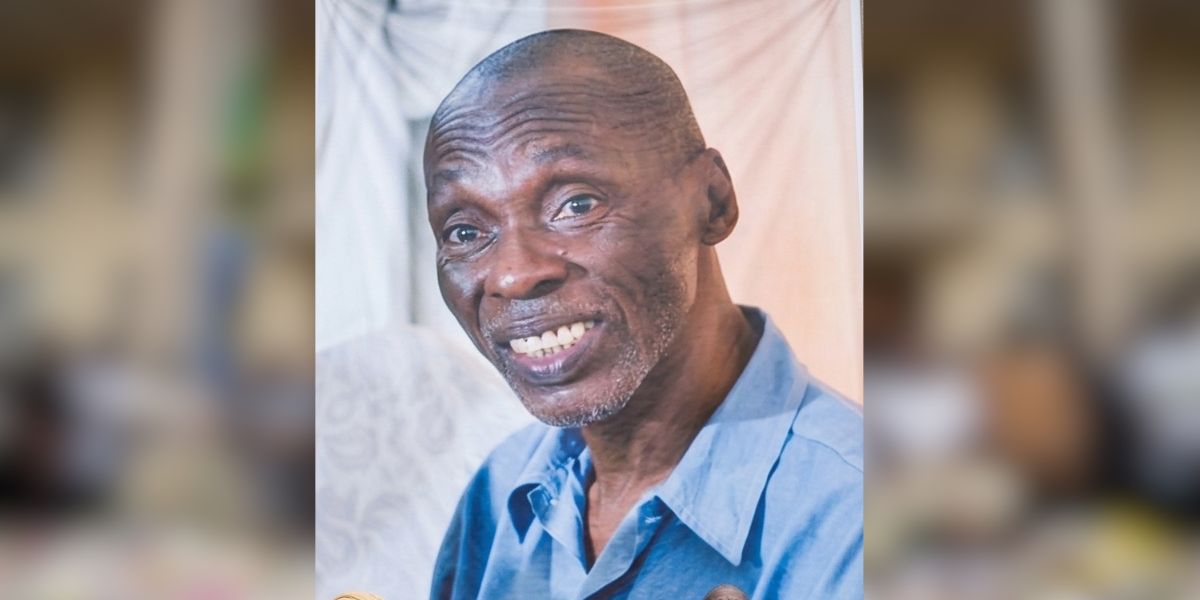
Patrisia Mbadala also recounted how her family lost their brother, Baraka, and failed to recover his body, forcing them to proceed with the burial of his clothes.
“He was killed on the 30th of October at around one o’clock in the afternoon. The information that I received from those who witnessed the incident says that when the shooting happened, everyone was afraid to go near him. He was shot at about one in the afternoon and was removed from the scene at around three in the afternoon.”
“We were communicating with his brother, who kept telling me that Baraka had been shot in the Ukonga Mazizini area. However, he was later told by people there that Baraka had already been taken away by the police using a Defender vehicle. We searched for him in hospitals, but we did not find the body,” she continued.
“In the area where my younger sibling lives, on the 2nd of November, another person died as well. That person had been shot in the Mazizini area too, but did not die immediately; he later died at Amana Hospital on the 2nd of November. Because of this, there were two bereavements in Ukonga Mazizini, in that neighbourhood. What we did was to combine the two mourning events. However, the other family had the body, while we did not.”
“As we continued holding family meetings, we decided that, since that was the situation, we should transport the deceased’s clothes instead. We held a church service at Ukonga Mazizini Church. At that church, we placed a photograph, while the other family placed the body,” she added.
The clothes of Baraka were transported to Dodoma, where the burial took place. The presidential commission is expected to conclude the exercise in February.