
Dodoma. A recent study conducted by the Tanzania Communications Regulatory Authority (TCRA) has found that broadcasters in Tanzania operate under a highly complex regulatory framework that requires compliance with multiple regulations, licences, guidelines, codes, and rules.
The study reveals that, depending on whether an operator provides radio, television, or online content, broadcasters are required—before commencing operations—to obtain several types of licences, including importation and distribution licences, content services licences, network facilities licences, and support services licences.
Broadcaster licensees must also comply with numerous regulations, among them Online Content Regulations, Radio and Television Broadcasting Content Regulations, Digital and Other Broadcasting Networks Regulations, Quality of Service Regulations, Tariff Regulations, and Licensing Regulations.
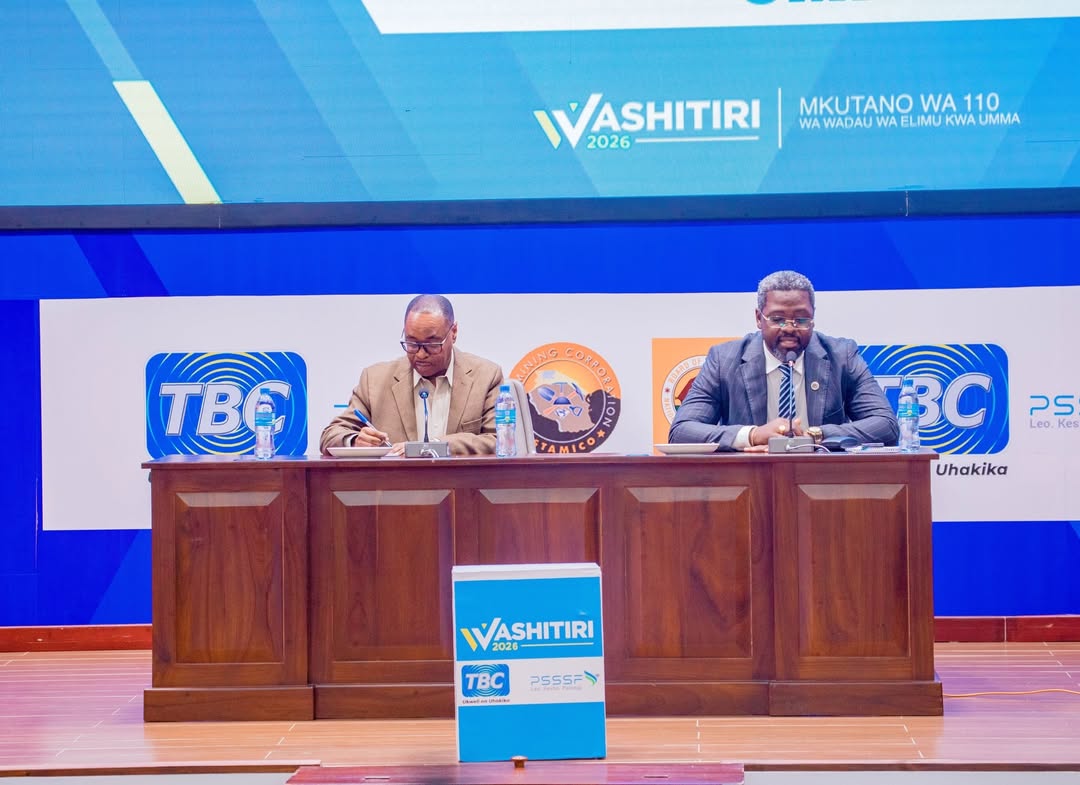
Presenting the findings and proposed implementation of recommendations from the Broadcasting Legal and Regulatory Framework Study on the first day of the Annual Broadcasters Conference on February 12, 2026, in Dodoma, TCRA’s Manager for Broadcasting Services, Engineer Andrew Kisaka, said the study indicates that the current regulatory framework needs to be reviewed and simplified.
“This study is based on the fact that we have been amending regulations since 2018, and there have been very significant changes in the broadcasting sector. Therefore, we saw the need to conduct a holistic study that will produce long-lasting solutions based on thorough research,” said Kisaka.
READ MORE: Clash of Generations: Veteran Journalists Question Media Integrity of Young Peers
He noted that the study, conducted by a TCRA team in collaboration with experts from the global regulatory consulting firm CENERVA, was guided by key principles of creating a level playing field and fostering an enabling environment to promote business growth in Tanzania’s broadcasting sector.
To address the regulatory complexity, the study proposes that only two categories of licences be issued: Facilities Services Licences (signal distribution) and Content Services Licences. The latter would cover content aggregation, free-to-air (FTA) radio, FTA television services, pay-TV services, cable platforms, digital terrestrial television (DTT), direct-to-home (DTH), online content, and television channels.
“These details should be captured in the licence conditions, but the naming of the licence should reflect the actual product,” Kisaka emphasized.
According to Kisaka, the study—conducted after extensive engagement with stakeholders—has proposed several changes aimed at removing hurdles faced by many actors in the sector. The findings and recommendations are being discussed during the conference, which is expected to conclude on February 13, 2026.
READ MORE: Viral Tanzanian Political Podcasters Wachokonozi Arrested for Alleged Social Media Abuse
Among other general recommendations, the study proposes reducing licensing fees for online broadcasters and introducing a “Armature Online Content Service Provider” category, under which new online broadcasters would receive a one-year grace period without paying licence fees to support startups. It also recommends the introduction of proper online content rating systems, including parental guidance and age classification, as well as restrictions on certain commercial advertisements online, similar to those applied in mainstream broadcasting under advertising and sponsorship codes.
For television and radio broadcasters, the study recommends extending licence validity from five to ten years, abolishing district-level licences, and assigning licences based on points of presence. The Authority would also be responsible for providing audience viewership and listenership data. In addition, the study suggests that public broadcasters should refrain from commercial advertising and instead rely primarily on public funding.