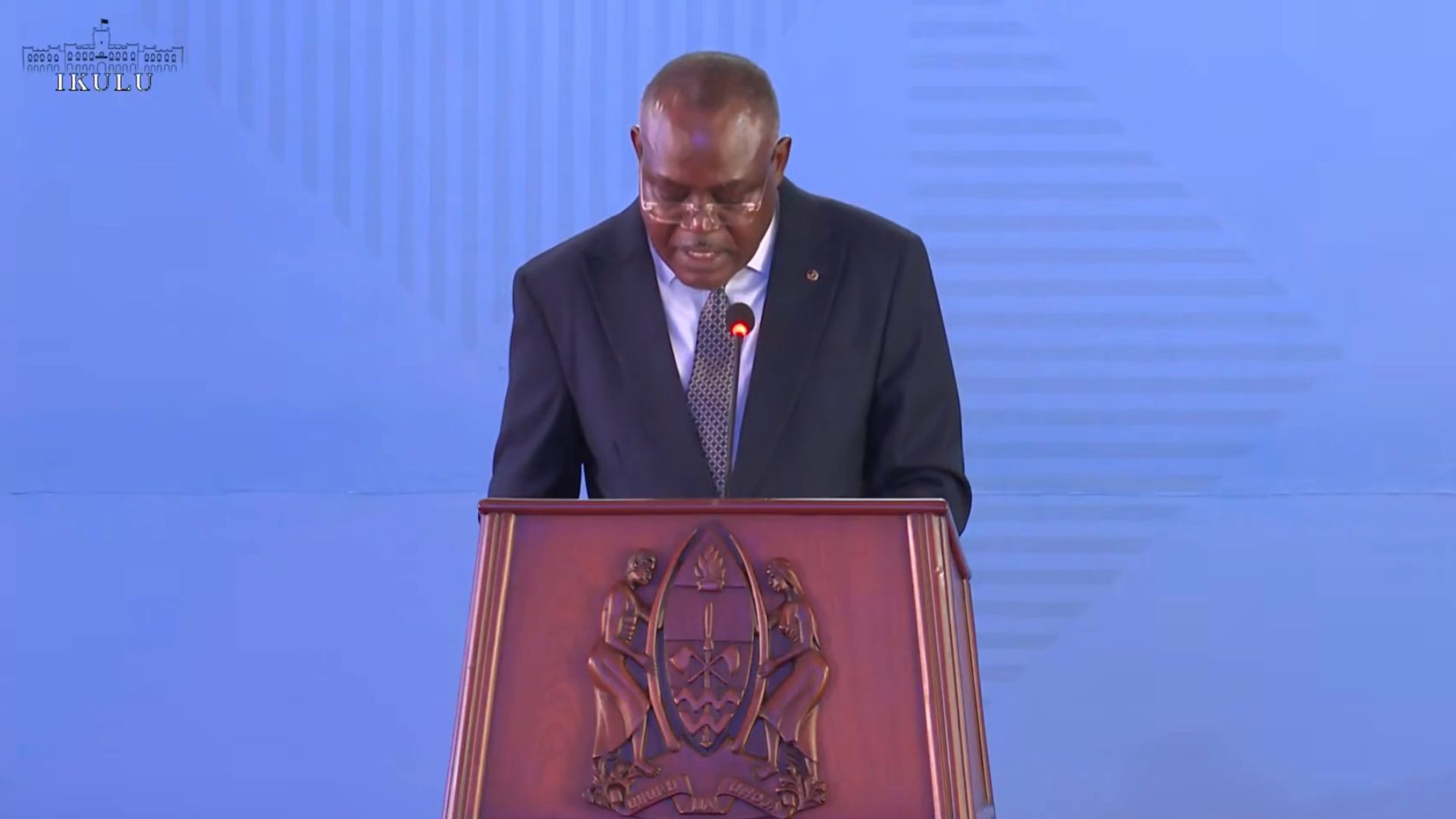

Dar es Salaam – The Registrar of Political Parties, on February 14, 2026, nullified the December 2024 general election of the Civic United Front (CUF) party, which saw Professor Ibrahim Lipumba, a long-time opposition figure, re-elected as its national chairperson.
The decision, which also removes five other senior party officials from their posts, was based on complaints that the winners failed to secure over 50 per cent of the votes, as required by the CUF’s constitution.
However, the timing of the decision has raised concerns, coming almost three months after the election and shortly after Professor Lipumba, in a public rally on February 2, 2026, criticised the government’s handling of the violent crackdown on protests that coincided with the disputed October 29, 2025, general election.
During the protests, security forces were accused of killing hundreds of people. Human rights organisation have alleged that security forces used unlawful lethal force, and the opposition party CHADEMA has claimed that between 1,000 and 2,000 people were killed.
In his speech, Professor Lipumba questioned the official narrative of the events of October 29, 2025, and President Samia’s claim of a 98 per cent election victory, given that major opposition parties did not fully participate. He condemned the use of force against civilians, stating, “people were shot in their homes.”
READ MORE: A Tale of Two Letters: Registrar’s Divergent Responses Fuel Claims of Political Bias
The Office of the Registrar of Political Parties has long been accused by opposition parties of bias towards the ruling Chama Cha Mapinduzi (CCM) party. These accusations were amplified in August 2025 when the Registrar nullified the presidential nomination of an opposition candidate while simultaneously refusing to investigate similar complaints against President Samia’s nomination. The Registrar has consistently denied these allegations of bias.
The complaints against the CUF election were filed on December 19, 2024, by a group of party members who alleged violations of the party’s constitution and electoral procedures. The Registrar’s office stated that the delay in their decision was due to a “thorough investigation.”
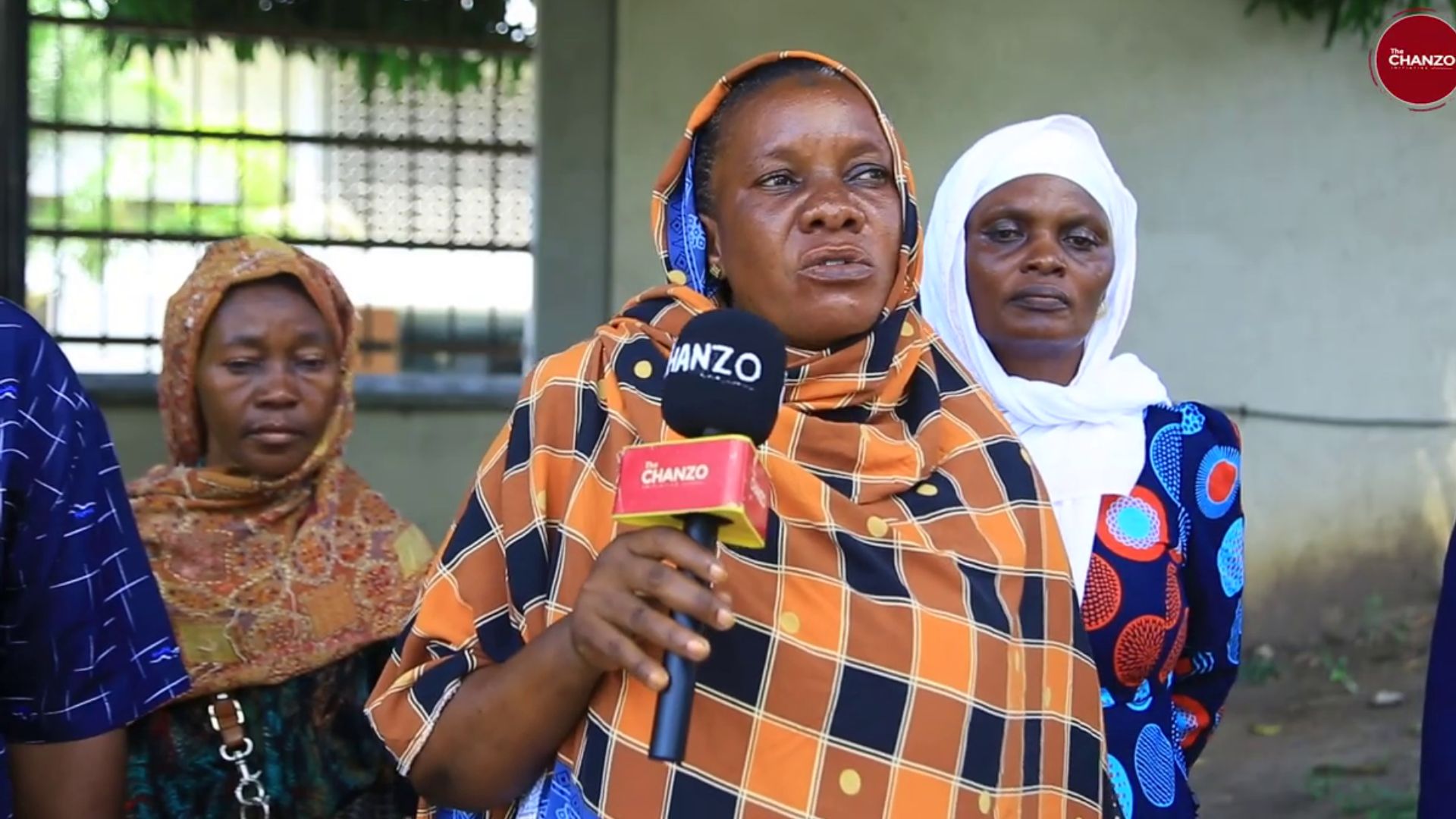
Mr Othman Dunga, one of the affected officials, told the Mwananchi newspaper that he was never summoned by the Registrar’s office to be heard and that he had not been treated fairly. He argued that the complaints were primarily focused on the chairperson’s position and not his.
Professor Lipumba, an economist who has been a prominent figure in Tanzanian politics for decades, has contested every presidential election since the country’s transition to a multi-party system in 1995, with the exception of the 2015 election.
His recent comments on the October 29th events have brought renewed attention to the political situation in Tanzania and the ongoing tensions between the government and the opposition.