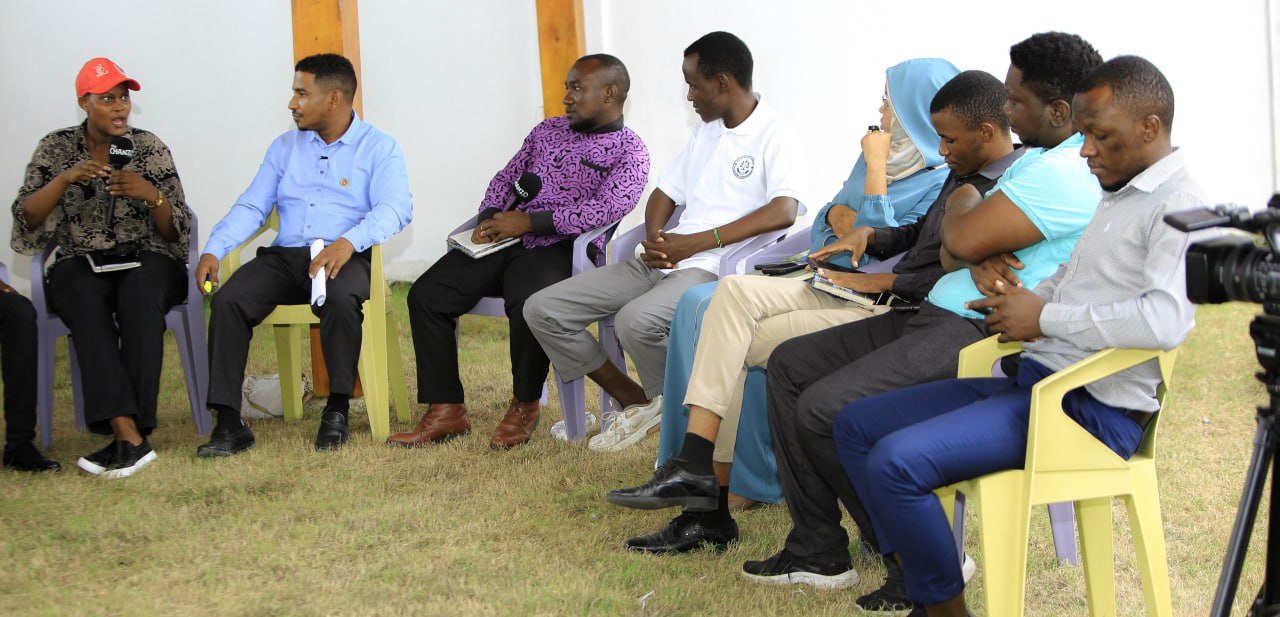

Kigoma – Scholars and transport sector experts from across the Central African region have convened in Kigoma for a three-day summit to evaluate the implementation of the Central Corridor transport infrastructure development plan.
The meeting, which opened on March 16, 2026, brings together delegates from Tanzania and the Democratic Republic of Congo (DRC) to review progress on key road, rail, and port projects that are critical to the economic vitality of the region.
Speaking at the opening of the session, Biseko Chiganga, the Tanzanian co-chair of the Central Corridor Transit Transport Facilitation Agency (CCTTFA), emphasised the strategic importance of the infrastructure plan.
He stated that the initiative is essential for strengthening the transport networks for the numerous landlocked countries that depend on the Port of Dar es Salaam for access to international markets. The improvements are expected to significantly enhance trade efficiency and foster greater economic integration among the member states.
The CCTTFA is a key institution in the region, tasked with promoting the use of the Central Corridor as the most effective and efficient route for the transportation of goods. The corridor serves not only Tanzania and the DRC but also the landlocked nations of Burundi, Rwanda, and Uganda.
READ MORE: AfDB Approves Over $600m for 650-Kilometre Tanzania, Burundi Rail Infrastructure
The agency’s mandate includes the harmonisation of transport policies, the elimination of non-tariff barriers, and the development of modern, integrated infrastructure to facilitate seamless trade and transport.
The Port of Dar es Salaam is a linchpin in this regional strategy. It has been the subject of significant investment and modernisation efforts in recent years, aimed at increasing its capacity and efficiency.
The Tanzanian government, in partnership with international development partners, has been implementing the Dar es Salaam Maritime Gateway Program (DMGP), which has included the dredging of the entrance channel, the construction of new berths, and the modernisation of cargo handling equipment.
These upgrades have enabled the port to accommodate larger vessels and handle a greater volume of cargo, reinforcing its status as a critical regional gateway.
The Kigoma meeting is focusing on several specific projects that are vital to the corridor’s success. These include the ongoing upgrades to the Port of Kigoma, which is a key hub on Lake Tanganyika, providing a crucial link between the central railway line and the eastern regions of the DRC.
The development of the Kashoto Dry Port, also in the Kigoma region, is another key topic of discussion. Dry ports, or inland container depots, are essential for relieving congestion at maritime ports and streamlining the movement of cargo to and from the hinterland.
Another major project under review is the Standard Gauge Railway (SGR), which is set to revolutionise transport in the region. The SGR will connect the Port of Dar es Salaam with the interior of Tanzania and neighbouring countries, offering a faster, more reliable, and higher-capacity alternative to the existing narrow-gauge railway.
The first phases of the SGR are already operational, and the government has announced plans to begin moving cargo directly from the port via the new railway, a move that is expected to dramatically reduce transit times and costs.
The development of the Central Corridor is not only about improving physical infrastructure. It is also about creating a more conducive environment for trade and investment.
The CCTTFA has been working to harmonise customs procedures, implement one-stop border posts, and introduce electronic cargo tracking systems to enhance security and reduce delays. These measures are crucial for building confidence among businesses and encouraging greater use of the corridor.