
Dar es Salaam – Compliance with public procurement laws has risen to 79 per cent, signalling progress in government reforms. However, widespread violations and systemic weaknesses continue to undermine accountability and value for money in public spending.
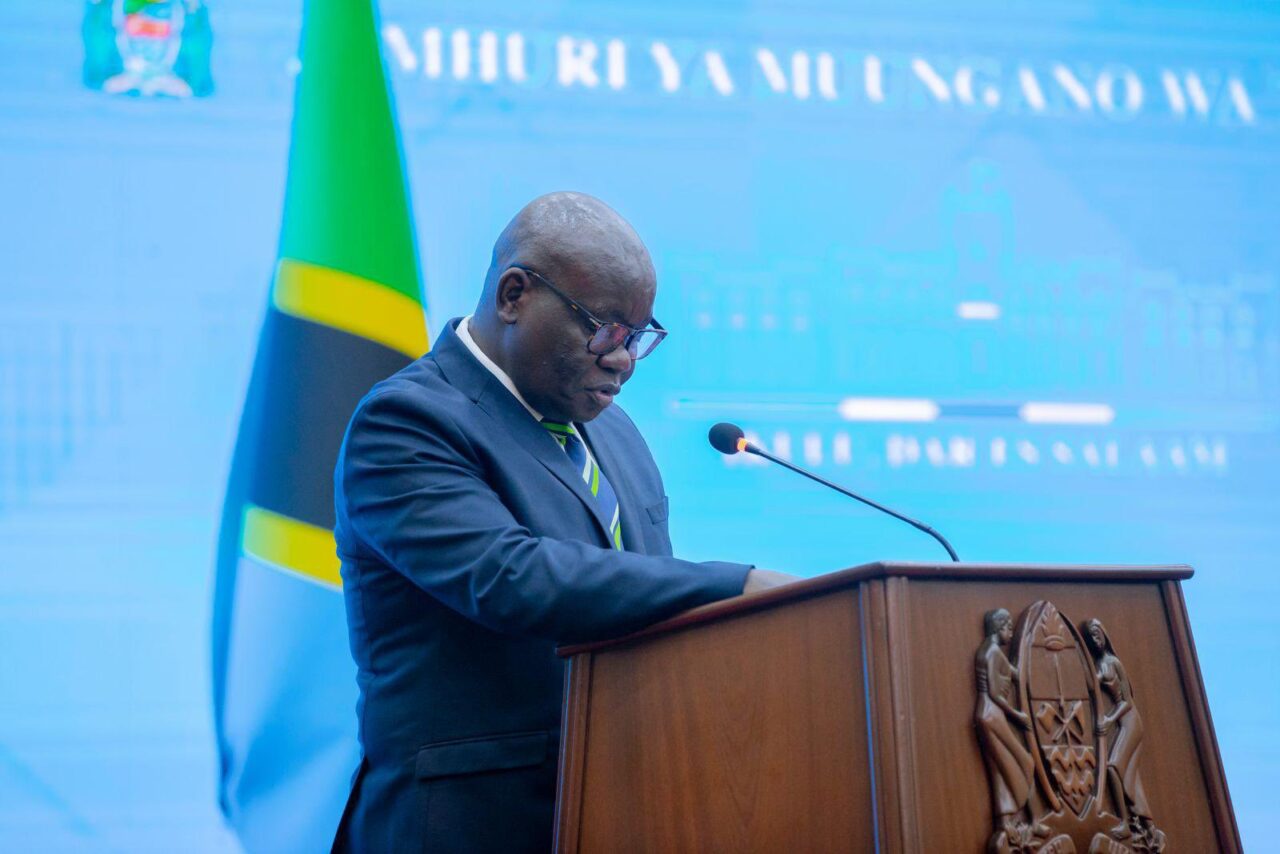
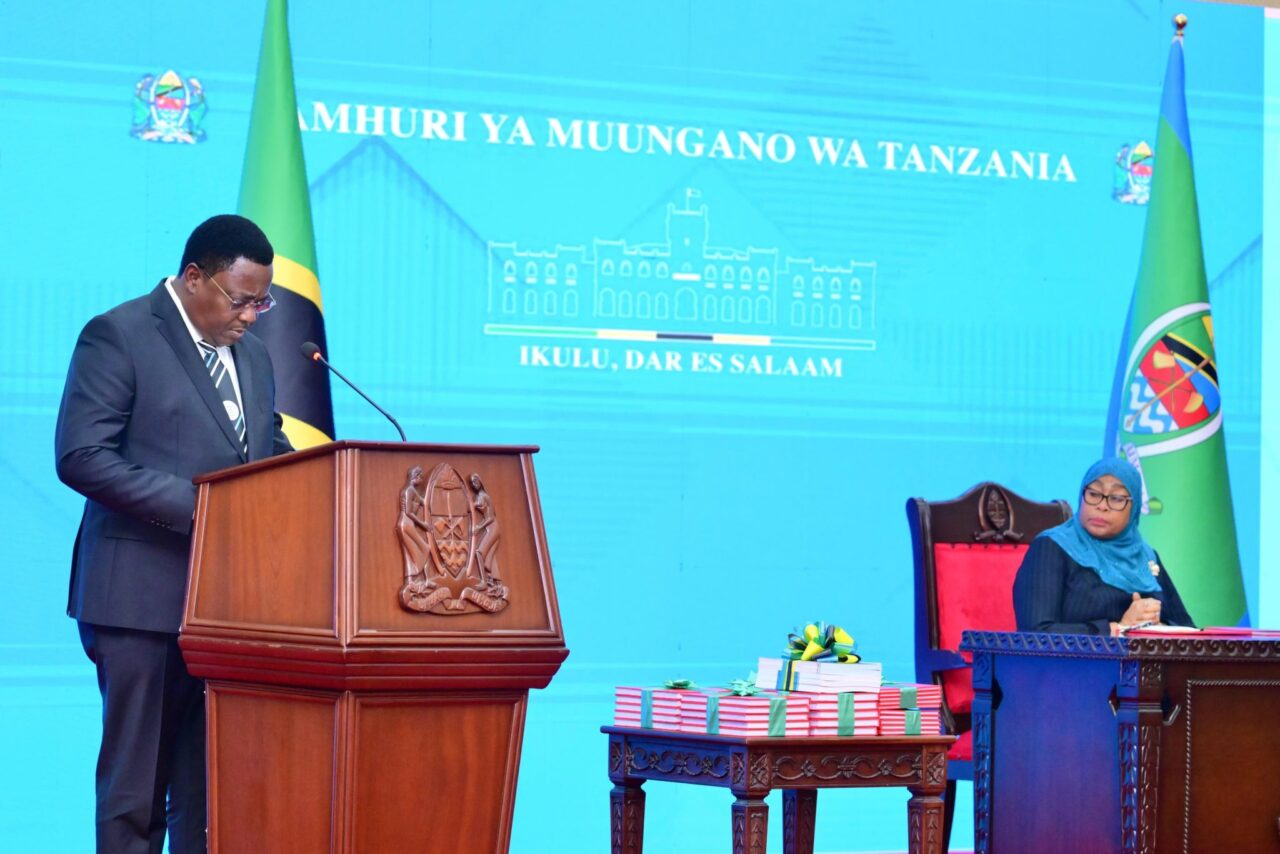
The latest Public Procurement Regulatory Authority (PPRA) report was presented to President Samia Suluhu Hassan at the State House in Dar es Salaam on March 30, 2026. It paints a mixed picture of digital gains and persistent financial mismanagement across the country.
Presenting the comprehensive report, PPRA Director General Denis Simba noted that compliance improved from 76 per cent in 2023/24 to 79 per cent in 2024/25. This continues an upward trajectory from the 63.5 per cent recorded in the 2021/22 financial year.
He attributed these significant gains to the strict enforcement of the 2023 procurement law. The expansion of the National e-Procurement System (NEST) has also become instrumental in driving efficiency across government operations.
The digital system has emerged as a key driver of efficiency and transparency in public procurement. During the year under review, new modules were introduced, including electronic contract management and a dedicated appeals system for procurement disputes.
READ MORE: PPRA, VETA Partner to Lift Special Groups Into Government Procurement Opportunities
Furthermore, 6,921 grassroots institutions, such as schools, health facilities, and village offices, were successfully integrated into the platform.
“The use of NEST has improved efficiency by reducing the time required to complete tendering processes,” Simba said.
Procurement activity expanded sharply, with the number of tenders advertised rising by 82 per cent from 53,211 to 99,823. Bidder participation nearly doubled to 22,913, reflecting growing competition in the public procurement space and increased opportunities for local businesses.
The report estimates that institutions saved approximately Sh13.3 billion in operational costs due to reduced reliance on paper-based processes. There were also significant environmental gains, with a reduction of approximately 64,768 tonnes of carbon emissions from saving over 11,000 reams of paper.
Compliance gaps
Despite these digital improvements, the report highlights serious compliance gaps across various procuring entities. A staggering 756 out of 943 audited entities failed to allocate the mandatory 30 per cent of their procurement budgets to special groups.
These special groups include the youth, women, the elderly, and persons with disabilities.
Other severe irregularities include 152 entities awarding contracts worth Sh101.3 billion without proper budget authority approval. Weak contract management led to project delays, abandoned projects, and payments for work that was never executed.
“In some cases, payments were made for work that had not been executed,” Simba said.
The audit revealed that 24 entities made fraudulent payments totalling Sh12.6 billion for unexecuted work across 39 contracts. Value-for-money audits further revealed that eight per cent of assessed contracts completely failed to deliver expected results, raising serious concerns about the efficiency of public spending.
In response to the detailed findings, President Samia commended the PPRA for its work in enhancing transparency through the NEST system. However, she expressed deep concern over the persistent irregularities and demanded stricter accountability measures.
READ MORE: Tanzania’s New e-Procurement System to Comply with the Open Contracting Data Standard
“I direct the PPRA Director General to name and shame institutions that perform poorly in next year’s report,” the Head of State said.
She emphasised that exposing poorly performing entities would encourage them to improve their practices and maintain higher standards of procurement compliance. The president also directed relevant ministries to ensure all government systems are fully integrated to close loopholes that enable embezzlement and fraud.
President Samia: “Accountability is not a choice, but a duty.”
She concluded by assuring the public that the government would take appropriate action against officials found violating procurement laws and regulations.