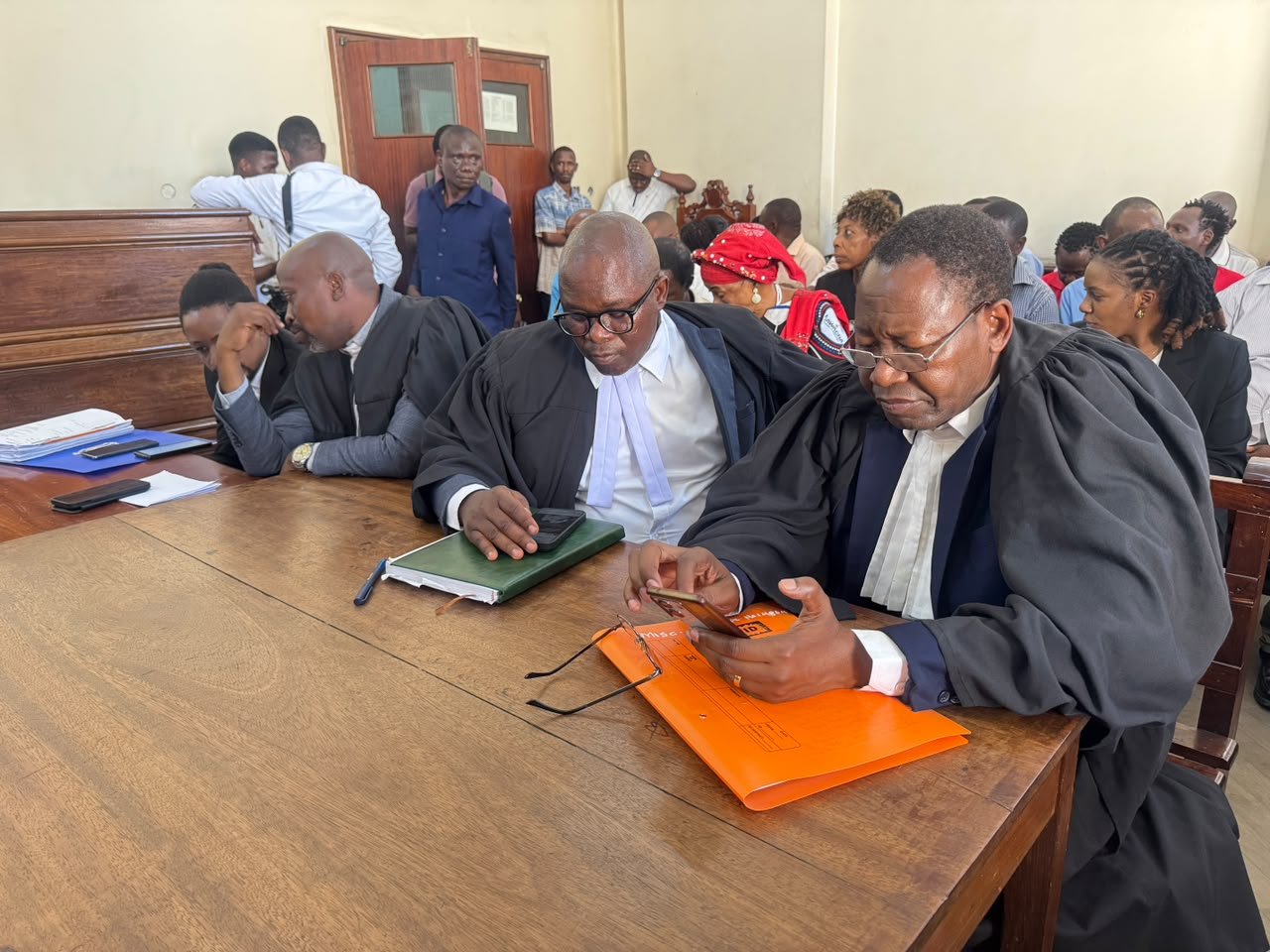

Dar es Salaam – Just one day after the High Court granted an interim injunction blocking the Registrar of Political Parties from taking action against CHADEMA, the registrar issued a new letter to the opposition party on May 26, 2026, alleging fresh violations of the Political Parties Act.
The move has ignited a fierce dispute over whether the registrar is respecting the court’s authority or brazenly circumventing it.
The registrar’s new letter alleges that CHADEMA officials used abusive, defamatory, and mocking language in public meetings, violating Sections 9(2) and 19(2)(f) of the Political Parties Act (Cap. 258) and Rule 8(a) of the Political Parties Public Meetings Regulations 2023.
The statements include the ones attributed to Joseph Mbiliinyi, CHADEMA’s Nyasa Regional Chair and member of the party’s National Central Committee, who allegedly uttered the phrase “…never, never, never! matako yenu…” (…your buttocks…) against ruling party politicians during a political rally.
READ MORE: High Court of Tanzania Blocks Registrar’s Threatened Action Against CHADEMA
These allegations appear to relate to the same category of conduct as those in the May 7 letter—statements by party officials about political matters. This has led some to observe that the registrar may be attempting to circumvent the court’s injunction by repackaging similar allegations in a new letter.
But the registrar denies these charges. In a public statement on May 29 addressing the issue, Deputy Registrar Sisty Nyahoza argued that his office has not violated the court’s order because the May 26 letter concerns different allegations than those covered by the injunction.
“The court’s injunction concerns our letter of May 7, and it does not prohibit us from doing our work in enforcing the political parties law,” Nyahoza stated. “Therefore, we are continuing with our work, and that is why we wrote another letter to [CHADEMA] on May 26 when we observed that there was a violation of the law.”
Nyahoza’s position rests on a technical distinction: the injunction specifically addresses the May 7 letter, not all regulatory action by the registrar. Under this interpretation, the registrar remains free to issue new letters based on newly discovered violations, even while the original matter is before the court.
The registrar’s argument reflects a narrow reading of the interim injunction granted by Justice I.C. Mugeta on May 25, 2026. That order prohibited the registrar from taking “any adverse action” against CHADEMA pending the full hearing of the application for prerogative orders.
READ MORE:CHADEMA Fires Back at Registrar, Accusing Office of Constitutional Overreach
However, Nyahoza contends that issuing a letter based on new violations does not constitute “adverse action” on the May 7 matter.
On his part, CHADEMA’s deputy national chairperson (Mainland), John Heche, rejected the registrar’s characterisation, accusing the office of systematic harassment and threatening political chaos.
In a statement posted on X/Twitter on May 29, 2026, Heche warned: “[The registrar] keeps writing us letters after every meeting and every word we say. In short, the registrar’s office will push this country into political chaos. CHADEMA is an institution of Tanzanians, and Tanzanians will protect it against all attacks.”
The registrar’s issuance of a new letter just one day after the court injunction suggests a pattern that CHADEMA has repeatedly alleged: the registrar uses regulatory authority to harass and suppress opposition activities.
The Office of Party Registrar strongly denies these allegations. However, the timing is particularly striking given that the court had just found triable issues regarding the registrar’s impartiality and potential bias.
Judge Mugeta’s ruling specifically identified as a triable issue “whether the Registrar, by raising the allegations suomoto (on his own motion), had become the complainant, witness, and judge in his own cause, thereby violating the rules of natural justice.”
In the eyes of some legal observers, the registrar’s immediate issuance of a new letter after the injunction risks confirming CHADEMA’s concerns about the registrar’s conduct.