
Vwawa, Songwe — In the vibrant town of Vwawa in Mbozi, the air is thick with entrepreneurial ambition. Yet, when asked about the nation’s Development Vision 2050, the young people who are supposed to drive this economic transformation draw a blank.
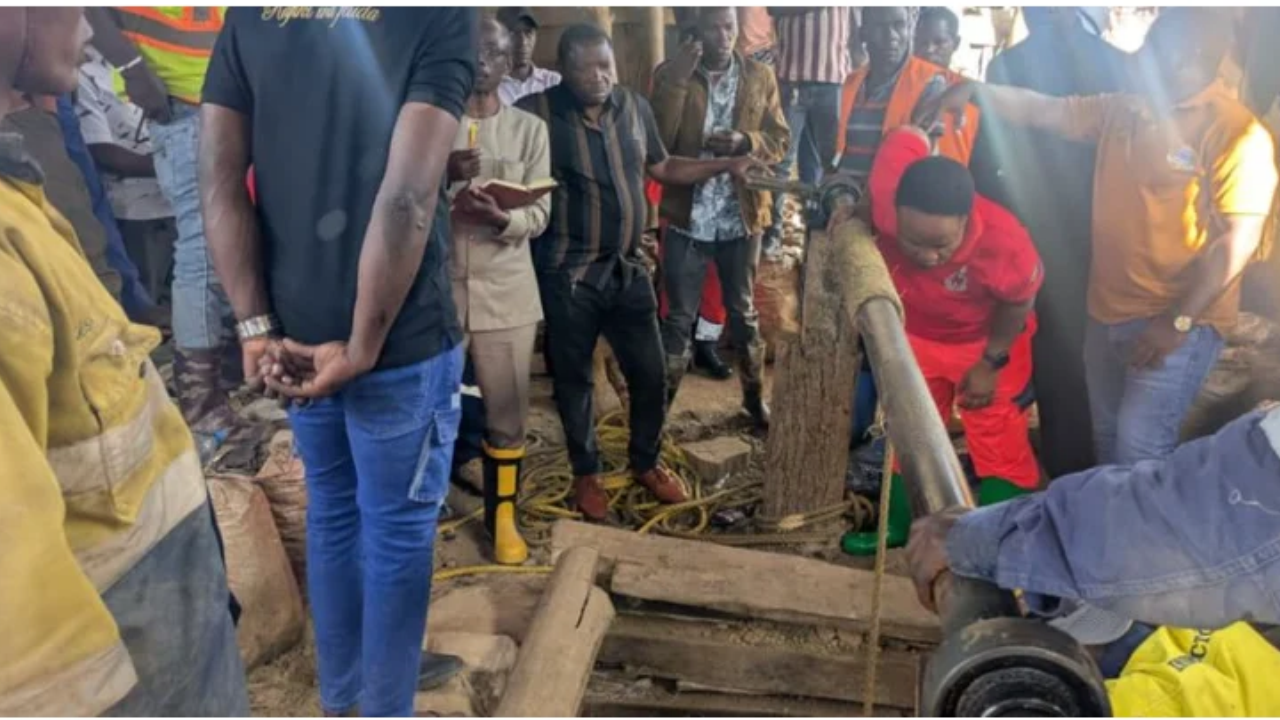
During a recent youth dialogue in the area, recorded on June 13, 2026, and published on June 22, only a handful of the 16 participants had even heard of the national blueprint.
The session was the ninth episode of the Dira Mtaani: Vijana Wanasemaje programme, organised by The Chanzo and Twaweza East Africa.
The disconnect between the government’s grand plans and the lived reality of these young people was stark. While the Vision aims to elevate Tanzanians to a middle-income status, the youth in Vwawa are struggling with the most basic barriers to entry in the business world.
“I think the government is trying to ensure every citizen reaches a middle-income economy,” one participant noted cautiously.
“But how we citizens receive this is different from how the government thinks,” he added. “We believe the government is oppressing us, and the government believes it is not. So we will be late in reaching that middle-income status.”
READ MORE: How Bureaucracy Locks Tarime’s Poorest Youth Out of Empowerment Funds
The dialogue revealed a generation brimming with ideas but starved of resources. Tuganile Mkumbwa, a small-scale trader, dreams of expanding her mobile business into a large wholesale office.
Another participant, a chapati maker, envisions owning a machine to process sweet potato flour and employing other youth. Felix David, a local barber, wants to own a large, modern barbershop within two years.
However, the path from these dreams to reality is blocked by a severe lack of capital and support as well as a perceived lack of daring on the part of the young people.
“What delays us is that youth fail to dare,” one participant explained. “Having an idea is the first thing, but implementing it is the second. And for many of us, we put our desires ahead of our goals.”
When the conversation turned to government empowerment loans—specifically the 10 per cent funds allocated by Local Government Authorities—the frustration was palpable. The youth described the group lending requirements as a “trap” rather than an opportunity.
READ MORE: Why Tarime’s Youth See No Shine in Nyamongo’s Wealth
“You might form a group of ten people to get the money,” one young man explained. “Everyone has their own goals. You get the ten million shillings, and one of your members runs away. It pulls you back because you, who had good intentions, have to start paying off their share of the loan.”
Another participant shared that his group had applied for a loan more than six times without success. The rigid conditions, which often dictate what type of business the loan must be used for, stifle innovation.
“They tell you to borrow, but they tell you to do a specific business that isn’t your hobby or skill,” he said. “You know for sure that if you enter that system, you will fail.”
Beyond capital, the youth identified a critical lack of financial literacy as a major stumbling block.
“Many of us get money, but we don’t have financial education,” one participant observed. “Your expenses are higher than the money you earn. But if someone has financial education, they can manage it.”
READ MORE: ‘Just to Live’: Broken Loans and Silent Leaders Leave Musoma’s Youth With No Faith
This lack of education, combined with the pressure of social expectations and the allure of quick, digital entertainment, often leads youth to squander what little they earn.
What the discussion with young people from Vwawa revealed is that if the Development Vision 2050 is to succeed, it must translate from policy documents into tangible, accessible support for the young dreamers on the streets.