
Dar es Salaam– Leading opinion leaders in the country have proposed amending the current constitution to create a transition document that can carry the country toward the 2030 election. They warn that the possibility of getting a new constitution by 2030 is minimal based on the current realities, and that if the election is held as things currently stand, it could trigger an even bigger crisis than the fallout from the October 2025 election.
This was revealed during the Tanzania Democracy Forum on August 29, 2026, a platform organized by civil society organizations in the country, including the Tanganyika Law Society, Twaweza, the Legal and Human Rights Centre, UDASA, and the Center for Strategic Litigation (CSL).
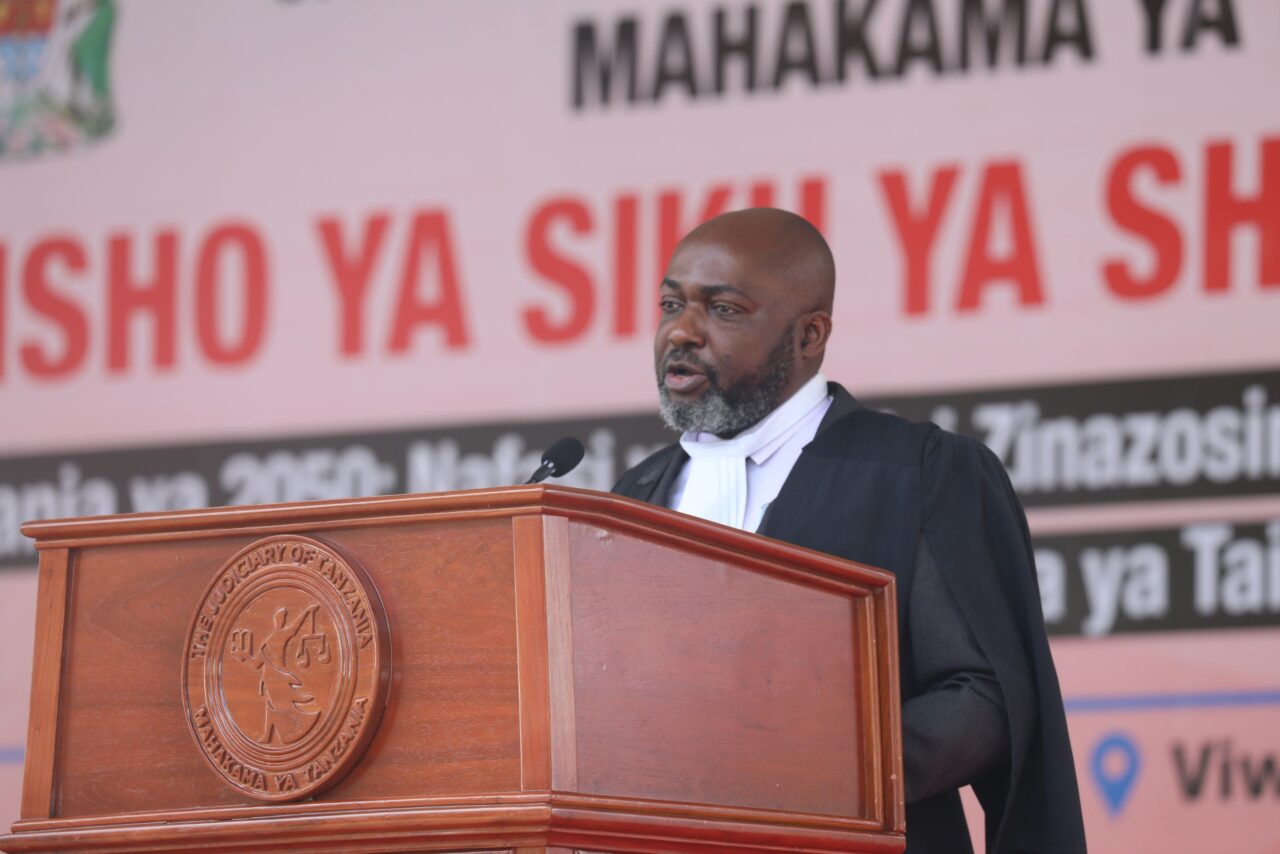
“I see these commissions as just a routine, a way of dragging things out until we forget. But what happened last year, you cannot forget. You cannot. And if we’re not careful, we used to be known as a peaceful country. Many of our neighbors used to come here seeking refuge, because there was no peace where they came from. If we’re not careful, we’ll find ourselves as refugees too, going somewhere else,” Judge Joseph Warioba cautioned.
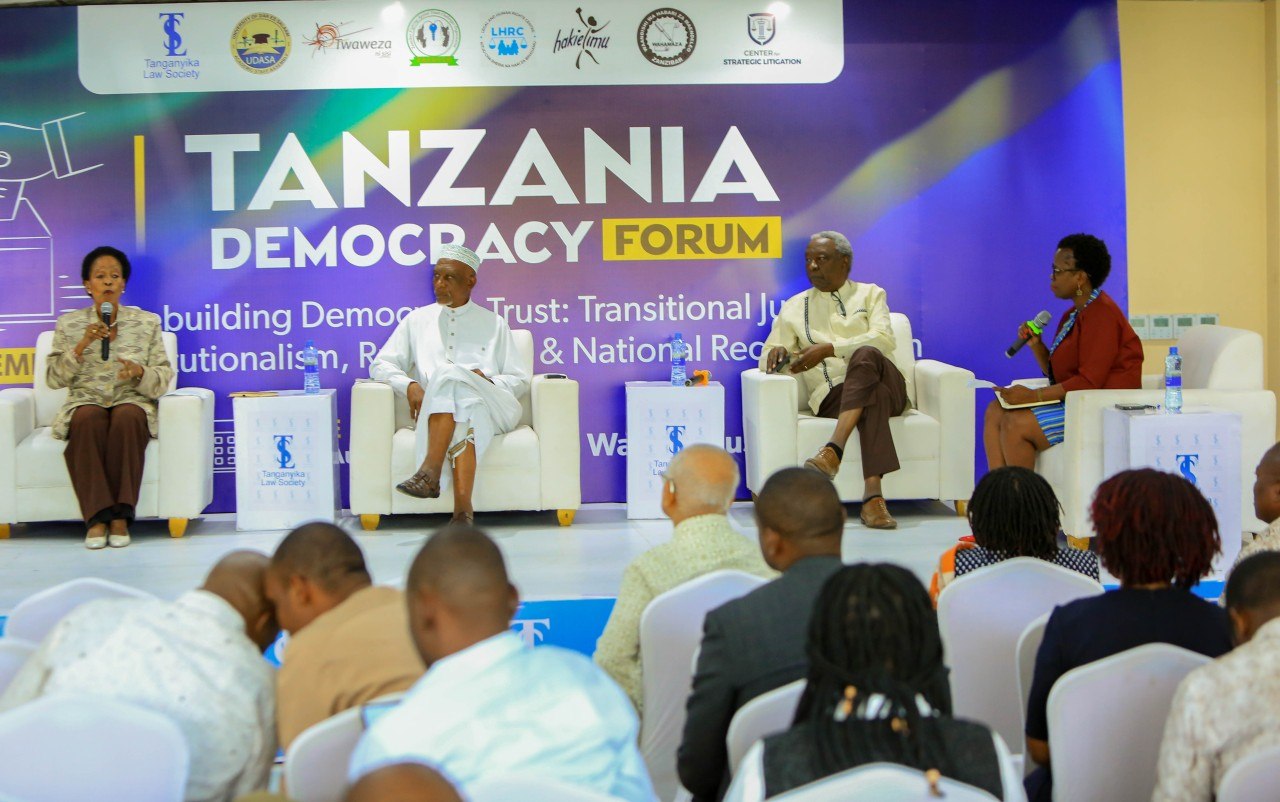
Warioba, the former Prime Minister, explained the methodology for amending the constitution under the current framework: after the commission investigating the criminal matters of October 29 — which has been given 150 days from August 7, 2026, concludes its work, another commission would be formed for reconciliation, followed by a team of experts to review where the constitution is stuck. He argued that this meandering process would leave the country without a constitution while heading toward an election similar to that of 2025.
“I don’t see [getting a new constitution by 2030] happening, so we should have something transitional instead. I said we should take the areas of the Constitution that matter most, discuss them, agree, and enact laws, the way the electoral law was enacted, while we wait for the New Constitution,” Warioba argued.
“In those areas: the electoral system, the distribution of power, the Union, and ethics. If we take these four, and maybe independent candidacy as well, which is already in the proposed constitution, but has been saddled with strange conditions, let’s work on those,” he continued.
One of the key warnings raised by stakeholders at the forum is that rushing the process amid the current political environment, where the issues that led to the October 29 crisis remain unresolved and new ones have emerged, could result in an even worse constitution.
“I don’t see any way of getting a new constitution, a new constitution suited to the situation Tanzania is in right now, before 2029, or 2030. I would say we should first learn to respect the constitution we already have,” Jenerali Ulimwengu argued.
“Let’s build a program using the 1977 Constitution so we can hold the 2030 election, meaning all parties take part. Let’s go back to ’77, respect that constitution, and lay the groundwork to hold the 2030 election,” he continued.
Emphasizing the same point, Professor Issa Shivji explained that experience shows a new constitution requires building national consensus. He underscored that the nation is still in mourning and has yet to begin resolving the crisis, with many stakeholders pointing to a strategy of buying time in the hope that society will forget, something that has proven unrealistic. Shivji added that the transition constitution should include avenues for resolving the pending October 29 issues.
“We should have a special court to handle all the cases, holding accountable those who were involved, the ones from October 29, and also those responsible for disappearing and abducting people,” Professor Shivji said.
“We should also create the office of an independent public prosecutor, and the job of the independent public prosecutor will be to investigate and bring before the special court those responsible for the events of October 29, and before that as well,” he added.
Shivji underscored that the last area that the transition constitution should state clearly is that all those charged with political motivated charges of treason and terrorism, a trend that has emerged since October 29 crisis should be set free.
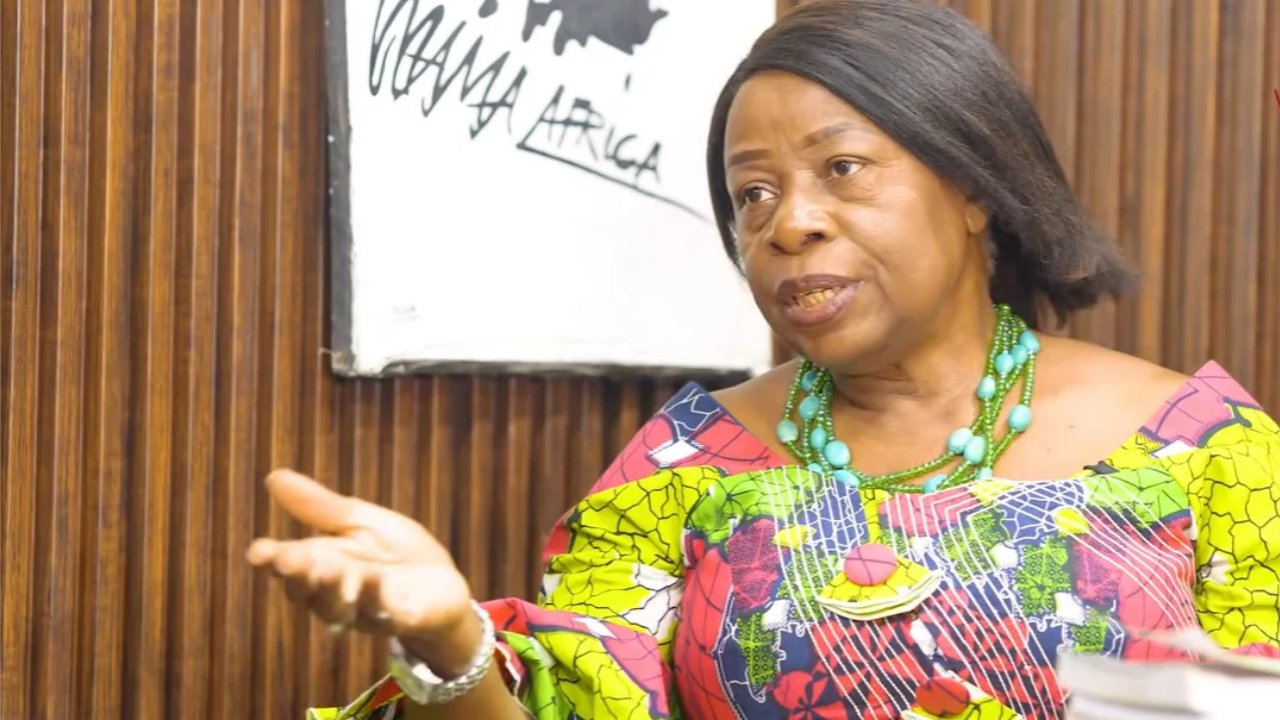
Professor Anna Tibaijuka also supported making amendments to the current costitition during the transition period and highlighted that the most important addition should be independent candidacy, to break free from party tyranny.
Toward the New Constitution
There was a consensus among the key speakers that, after the transition period, the road to reviving the constitution-writing process is to return to the citizens’ views collected by the Warioba Commission.
“But I think that the genuinely free process, which reflects the views of citizens, is the Warioba Commission process, where those views already exist,” Sheikh Issa Ponda said.
“So what’s the problem now? First, who’s stopping those views from becoming the constitution? Also, those views weren’t gathered during a period of sycophants,” he said.
On her end, Professor Anna Tibaijuka emphasized that the process is as important as the document itself, explaining that it is a struggle requiring commitment to avoid the possibility of a constitution being written by sycophants or resulting in an even lower standard document.
“So how do you get a new constitution? I agree with the view that it must be fought for, because if it isn’t fought for, then… First you have to fight for the process itself. Who will write these amendments we want? How will we get them? Who appoints them? Is it an appointment, or is it the citizens?” Professor Tibaijuka explained. “It’s also not a simple matter, because there are those who want to maintain the status quo, those who benefit from this situation.”
The forum came up with several resolutions, among them calling for the amendment of the current constitution and laying the groundwork for the new constitution.