
Dodoma — The government has proposed a Sh89.3 trillion national development plan for 2027/28 that would depend on the private sector for Sh62.3 trillion of its financing, placing investment conditions and project delivery at the centre of its first full year implementing Vision 2050.
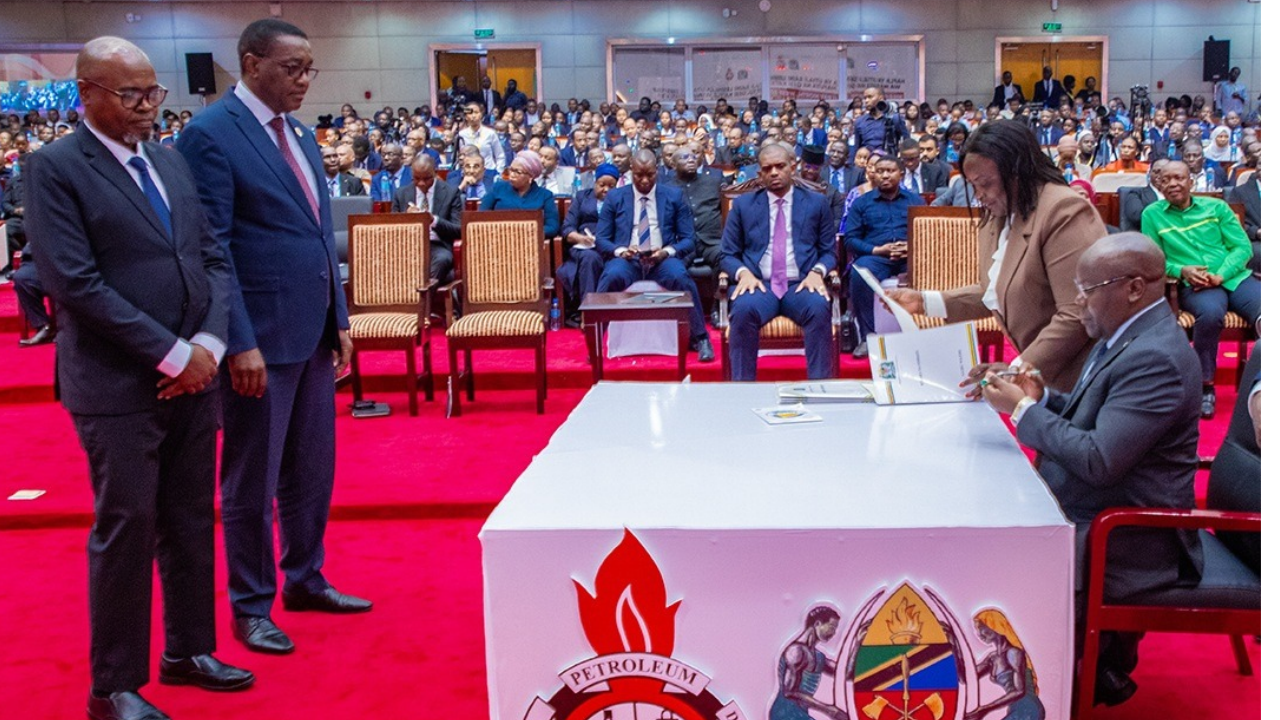
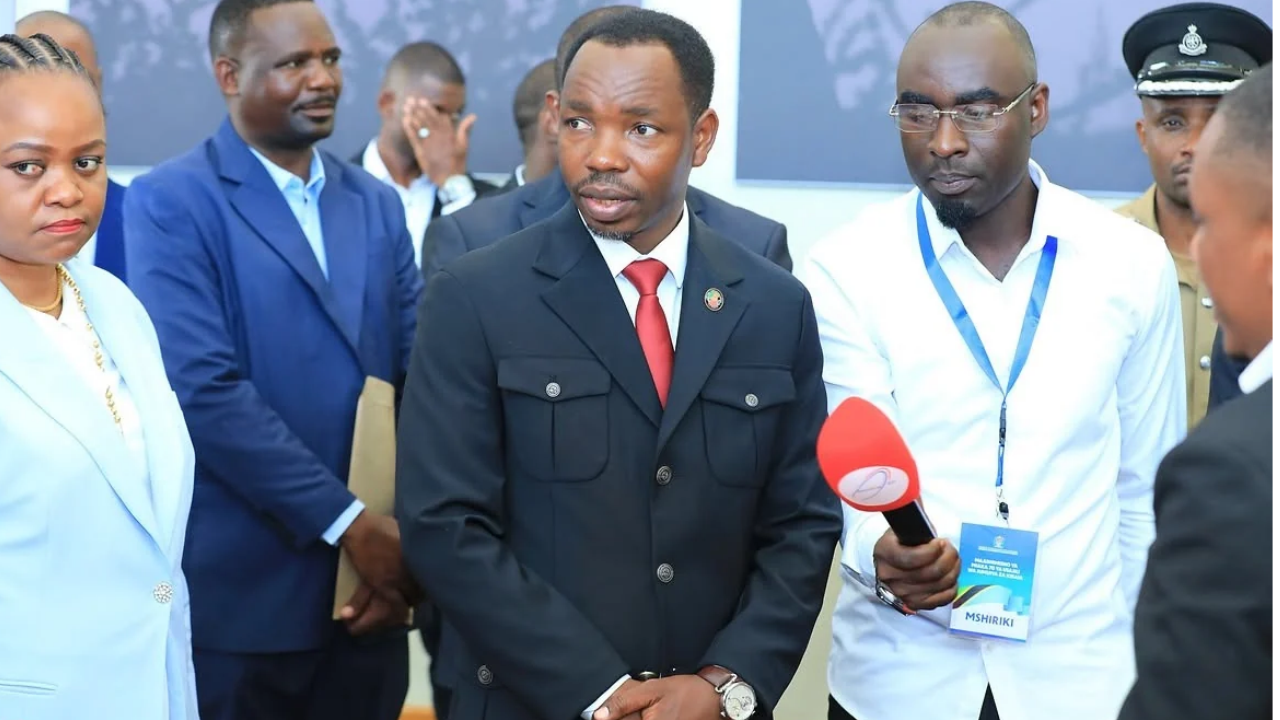
Presenting the proposal in Parliament on October 28, Minister of State in the President’s Office for Planning and Investment Kitila Mkumbo said the task was to “move from the Vision to implementation, and from implementation to measurable results.”
The Sh89.3 trillion is a development-financing estimate, rather than a government spending budget alone. Mkumbo said Sh20.7 trillion would come from the government budget, Sh6.3 trillion from commercially run public corporations and Sh62.3 trillion from private investment, following the Fourth Five-Year Development Plan’s intended 30:70 public-private investment ratio.
“Dira 2050 is not just another government document,” Mkumbo said. “It is our national commitment to transform the economy, strengthen people’s capacity to improve their lives and build prosperity for the present and future generations.”
The financing model makes the plan’s success closely tied to whether private capital is actually mobilised. The government said it would advance 131 potential public-private partnership projects, prepare a new private-sector investment policy and table a private-sector development bill under the second business-and-investment-environment strategy, known as MKUMBI II.
The National Bureau of Statistics counted 3.22 million private-sector workers in 2024/25, or 70.5 per cent of 4.57 million formal jobs.
The speech says 934 investor projects worth US$12.5 billion were registered in 2025/26, with projected employment of 307,743 people. It says 243 projects worth US$3.44 billion were registered between July and September, 57.2 per cent of them in manufacturing.
But Vision 2050 identifies the obstacles that the proposed reforms would have to address: a cumbersome regulatory environment, limited access to finance, stringent collateral requirements, underdeveloped capital markets, a complex tax regime and informality.
Mkumbo said the 2027/28 plan would be carried through seven flagship programmes, 38 anchor projects and 34 value-chain areas. The government expects them to support an average of 1.7 million new jobs in 2027, compared with 981,000 in 2025, although the speech did not say how many would be formal jobs.
The proposal projects power-generation capacity of 4,804 megawatts by June 2028, health-insurance coverage of 32.38 per cent in 2027/28 and one million tonnes of central-railway freight. It also targets manufactured goods at 16.9 per cent of exports, from 15.5 per cent in 2025.
READ MORE: Beyond GDP: Do Electricity, Freight and Credit Tell the Real Story of Tanzania’s Economy?
The proposals centre on the economy, human development, environmental and climate resilience, development enablers, transformative sectors, and governance.
Among the specific priorities, Mkumbo said the government would prepare for universal secondary education from 2028, finish ongoing irrigation projects, develop a National Water Grid to support agriculture, livestock and fishing as well as household supply, and devise a dedicated financing approach for productive sectors.
The minister framed the new accountability architecture as part of the plan, not an administrative afterthought. He said a national electronic project-management system, branded e-Delivery, would enable managers to see whether projects were progressing to schedule, whether money was producing the intended results and whether obstacles were being resolved.
“We cannot effectively manage a 25-year transformation agenda without credible evidence, consistently reported data and a readiness to act on what that evidence shows,” he said. The plan also proposes a “lab delivery” approach with assigned responsibilities, resources, timelines and measurable indicators.
Mkumbo presented the proposals as the economy’s growth pace accelerated: mainland GDP grew 6.0 per cent in the first quarter of 2026 and 6.5 per cent in the second. Financial and insurance services grew 22.5 per cent in the second quarter, while agriculture made the largest contribution to growth, at 19.2 per cent.
READ MORE: Tanzania’s Startup Week Asks the Hard Question: Which Ideas Became Companies?
The Bank of Tanzania reported that private-sector credit expanded 33 per cent in the year to August, while headline inflation stood at 4.3 per cent. It also cautioned that higher global oil prices and El Niño-related disruption to food production and distribution could add pressure to prices.
The proposal is in the planning stage of the 2027/28 cycle, not its final appropriation. The Finance Ministry has said the government intends to submit revised planning-and-budget guidelines and proposed budget ceilings to Parliament in February 2027, after reviewing economic conditions, the 2026/27 budget’s implementation and proposed priorities.