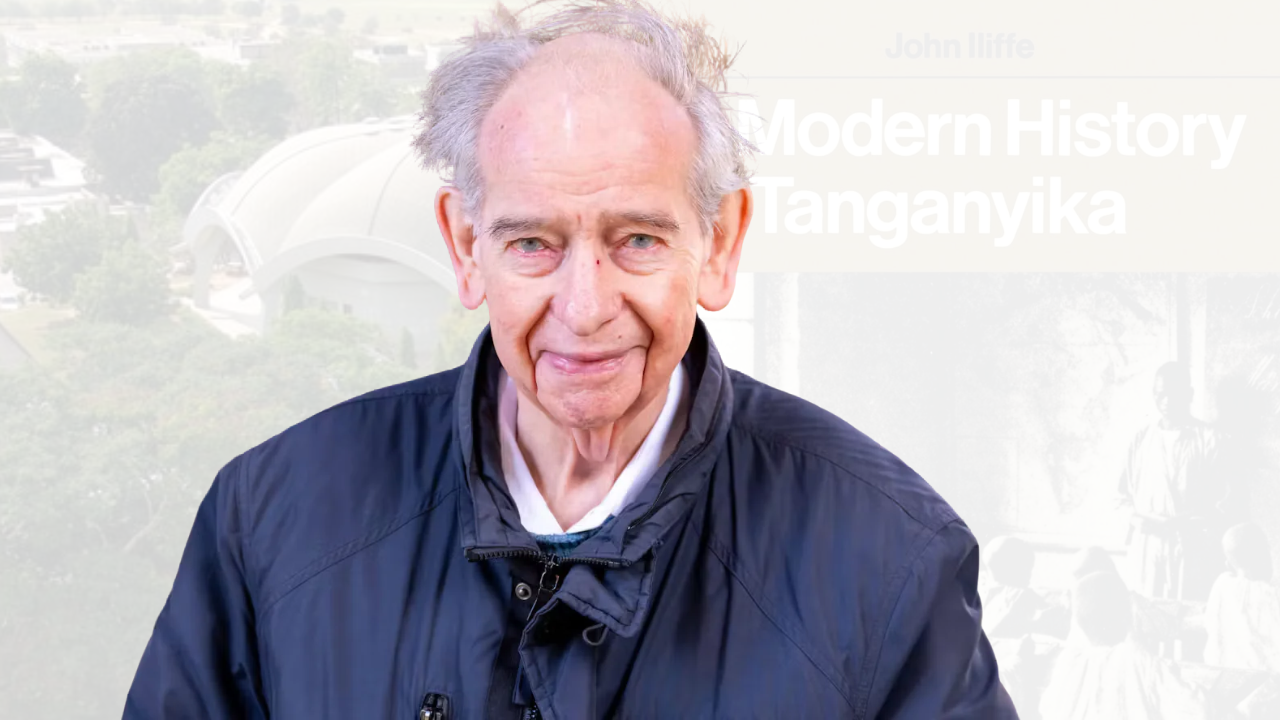

Arusha — Alute Mughwai Lissu, the constitutional and administrative lawyer whose conversation with The Chanzo was the last interview he gave in his lifetime, died early Sunday after a long illness, his family said.
Vincent Lissu Mughwai, his younger brother, said Alute had been ill for a long time and had recently been admitted to Sani Hospital. His condition worsened in the days before his death, the family said.
The family expects the burial to take place in Singida, but said it would announce further arrangements later. It intends to attend the judgment in the treason case of Tundu Lissu, Alute’s younger brother, which is scheduled for Friday, before setting out the funeral programme.
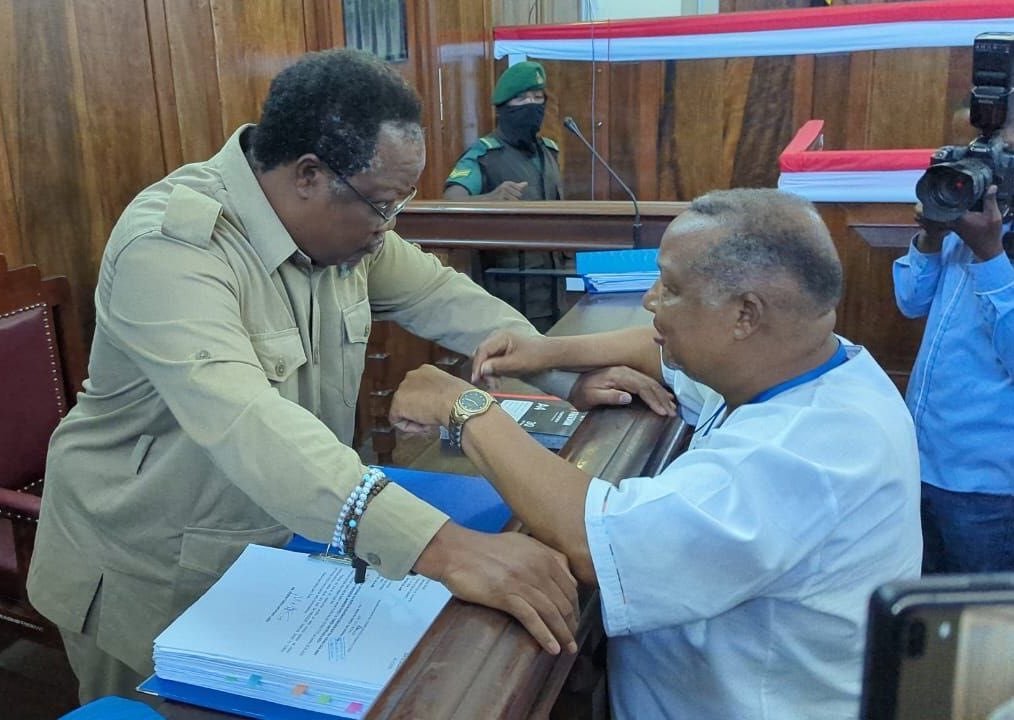
Vincent Lissu said relatives were travelling to Ukonga Prison to formally inform Tundu of the death. He described Alute—known within the family as Lute—as a father figure and role model, especially to Tundu.
“Lute has been like a father in our family, and he has been a role model for us — specifically for Tundu,” Vincent Lissu briefed journalists on Sunday at the deceased’s home in Fire Street, Arusha.
He said Alute’s example had helped inspire Tundu to become a lawyer. Alute leaves five children, according to the family. His wife died many years ago.
The death comes shortly after The Chanzo’s October 28 profile, based on his final interview. The conversation began at his Arusha home on October 8 and ran for three hours and 23 minutes into the early hours of the next day.
At the time, Alute was continuing treatment, including regular dialysis, but was cheerful throughout the conversation.
The interview was prompted by Tundu’s treason case but became a fuller account of an advocate who had spent more than four decades in courtrooms, worked first for the State and then in private practice, and saw public legal education as central to citizenship.
Alute traced the family’s origins to Mahambe village in Singida’s Ikungi District. He described himself as the second of 10 children born to farming and livestock-keeping parents, with Tundu, the seventh-born, 13 years younger. He said his parents’ insistence on education helped produce four lawyers among their children.
After studying at Mwenge Secondary School and Mirambo High School, completing national service and working at Kilimanjaro International Airport, he joined the University of Dar es Salaam’s Faculty of Law in 1979. He graduated in 1982, worked in the Attorney General’s office in Arusha until 1989, then began independent practice in 1990.
His legal work returned repeatedly to constitutional access and state accountability. In the interview, he recalled a case involving a Maasai livestock keeper and said a later Court of Appeal ruling invalidated the requirement for a person to obtain the Attorney General’s consent before suing the government.
He also argued that legal literacy should not be confined to lawyers. “Governments, especially repressive governments, do not like to teach law,” he told The Chanzo, because citizens who understand their rights may question how they are governed. He called for basic law and human-rights education in schools and beyond law faculties.
Alute remained a member of the governing Chama Cha Mapinduzi (CCM), despite his criticism of its current direction. “I am a CCM member of Nyerere,” he said. “This one of today gives me some difficulties.”
He rejected the idea that multiparty politics should merely replace one political monopoly with another, and argued instead for institutions in which citizens could question leaders, courts could decide without improper pressure and public appointments could be made transparently.
The Tundu Lissu trial gave the interview its immediate urgency. Alute had followed the prosecution and defence evidence and said he believed the case was built on words rather than the overt acts and concrete preparations he associated with historic treason prosecutions. He urged the High Court to decide the case on the evidence and the law.
His view of his brother was at once legal and personal. “I know this man is a patriot,” he said of Tundu, describing him as candid and courageous and as someone who had remained fundamentally the same since childhood.
As the interview ended, Alute did not frame his legacy in terms of wealth or status. “I am not a person of show,” he said. “I am a respectable person.” He said he hoped younger advocates would see a path to becoming capable, respected and humble professionals.
His last message to the family, Vincent Lissu said, was that they should remain united, support his family and continue the good work he had begun.