
Arusha – The government has firmly dismissed speculation about plans to suspend or ban tourist hunting activities, instead emphasising its commitment to strengthening the sector through improved policies and regulatory frameworks.
This announcement comes as part of a broader strategy to balance conservation efforts with economic benefits from the country’s rich wildlife resources.
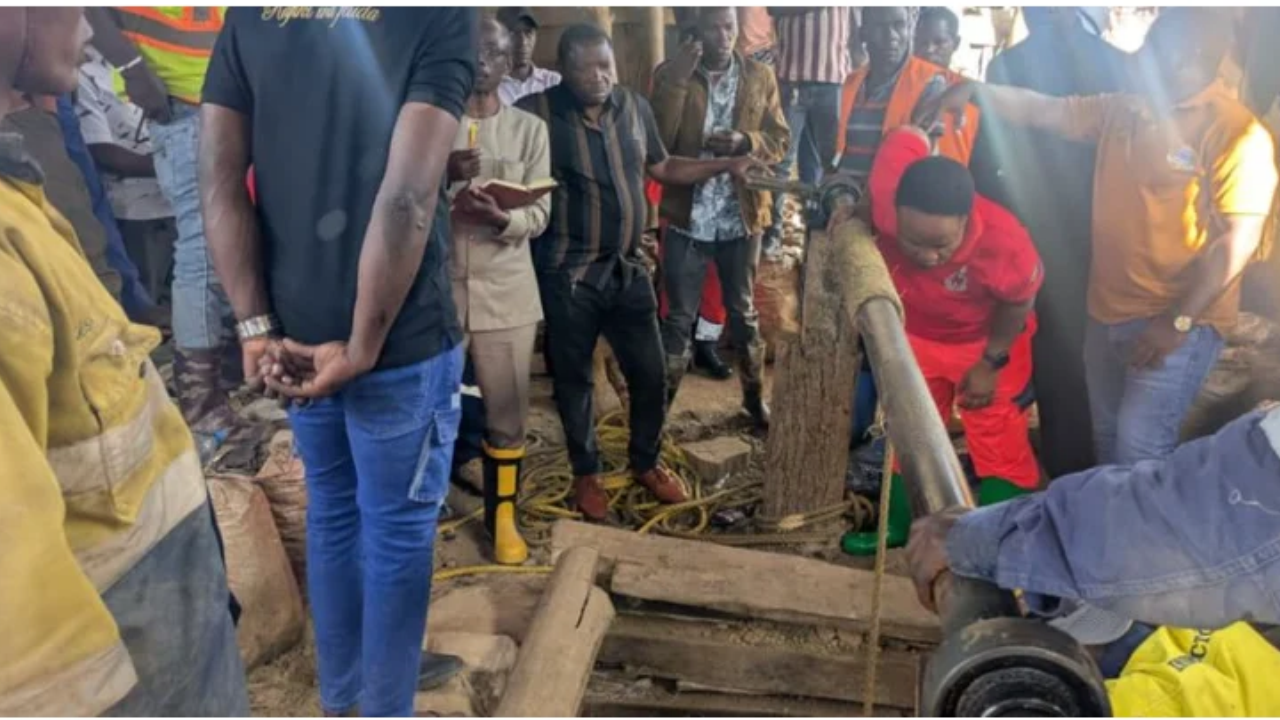
Speaking at a consultative meeting with the Tanzania Hunting Operators Association (TAHOA) in Arusha, Permanent Secretary in the Ministry of Natural Resources and Tourism, Dr Hassan Abbas, underscored the government’s position.
He stated that the government recognises wildlife as a strategic resource with significant contributions to the economy, environmental conservation, and community welfare.
“Our focus remains on developing the sector, not shutting it down,” Dr Abbas affirmed. He added that the ongoing reforms aim to enhance sustainability and competitiveness in the global tourist hunting market.
Lucrative business
The hunting industry is a lucrative business, generating Sh63.03 billion in 2022 alone. Major stakeholders, particularly professional hunters, also contribute about 90 per cent of the funds used by the Tanzania Wildlife Management Authority (TAWA) for wildlife conservation.
READ MORE: Beyond Fortresses: Charting a New Path for Conservation in Tanzania
Hunting licences come with hefty fees, with US$60,000 per year for a block hunting licence. Additional fees include US$15,000 for hunting an elephant and US$12,000 for a lion.
Despite the economic benefits, the industry has faced fierce public scrutiny, particularly following a viral video showing American hunters posing with a dead crocodile. This incident reignited debates about the ethics, conservation impact, and sustainability of the practice.
The government’s approach reflects a delicate balancing act in managing its world-renowned wildlife reserves. The industry targets specific quotas of game animals in designated areas, generating substantial revenue for conservation efforts and local community development.
Dr Abbas elaborated that ongoing reforms include strengthening monitoring systems, improving transparency in quota allocations, and ensuring communities living near hunting concessions receive equitable benefits. These measures are designed to address the ethical concerns and ensure the long-term viability of the sector.
Alexander Lobora, Director of Wildlife in the ministry, noted that consultative engagements provide a valuable platform for dialogue between the government and industry stakeholders.
“These discussions allow us to address challenges and develop solutions that benefit conservation, communities, and the industry as a whole,” Lobora said.
Increased scrutiny
The government’s position comes at a time when tourist hunting faces increasing scrutiny globally. Some countries have implemented bans on trophy imports, and animal rights groups are calling for an end to the practice.
However, the government maintains that its science-based approach to hunting quotas and strict regulations ensures the population sustainability of target species. This stance is supported by TAHOA Chairman Michel Mantheakis, who welcomed the government’s supportive position.
Mantheakis affirmed the association’s commitment to operating within established laws and regulations. He warned that any decline or cessation in tourist hunting would have far-reaching consequences.
“A halt in tourist hunting would not only reduce government revenue but also significantly weaken conservation efforts,” Mantheakis cautioned. He argued that the presence of hunting operators in remote areas serves as a deterrent to poachers and provides crucial funding for anti-poaching units.
The Permanent Secretary also used the occasion to remind stakeholders of their ethical responsibilities. These include wildlife protection, combating poaching, fulfilling tax obligations, and ensuring surrounding communities benefit from hunting activities.
Not new
The controversy surrounding trophy hunting is not new. In 2015, the government imposed a ban on hunting following the abuse and misuse of hunting permits.
READ MORE: Maasai Advocacy Group Rejects Ngorongoro Commission Reports, Vows to Resist Relocation
The ban on resident hunting was aimed at controlling the wanton killing of wildlife and poaching by holders of resident hunting permits. However, this ban was lifted in 2018, with the government stating that the move was taken to support the conservation of wildlife through sustainable hunting.
Recent incidents have also raised concerns about a resurgence of criminal activity in the trophy-hunting industry. Of particular concern is the potential role of criminal syndicates in the wildlife sector.
Furthermore, the hunting of ‘super tuskers’—bull elephants with tusks weighing over 45 kg each—has sparked international outrage. Despite a 1995 agreement between Kenya and Tanzania prohibiting borderland hunting, these elephants are being slaughtered by international sport hunters in the Amboseli ecosystem.
Research shows that fewer than 30 super tuskers remain worldwide, with only 10 left in the Amboseli ecosystem. This means super tuskers are on the brink of extinction both regionally and globally.
The government expects that the ongoing consultations will generate practical strategies to address challenges facing the industry. These strategies aim to enhance the sector’s performance and contribution to development goals and conservation objectives.