
Dar es Salaam-This episode of Kivulini Talks brings together a panel of economists, tax experts, and accountability specialists to unpack Tanzania’s 2026/2027 government budget. The conversation opens with a hard question: Does this budget genuinely drive development, or does it mainly keep the machinery of government running?
From there, the panel digs into the country’s ballooning national debt, now exceeding Sh114 trillion, and the sharp disagreement over whether it is truly “sustainable.” The discussion weighs the government’s reliance on IMF benchmarks against more critical measures, such as the share of domestic revenue consumed by debt servicing and public-sector salaries.
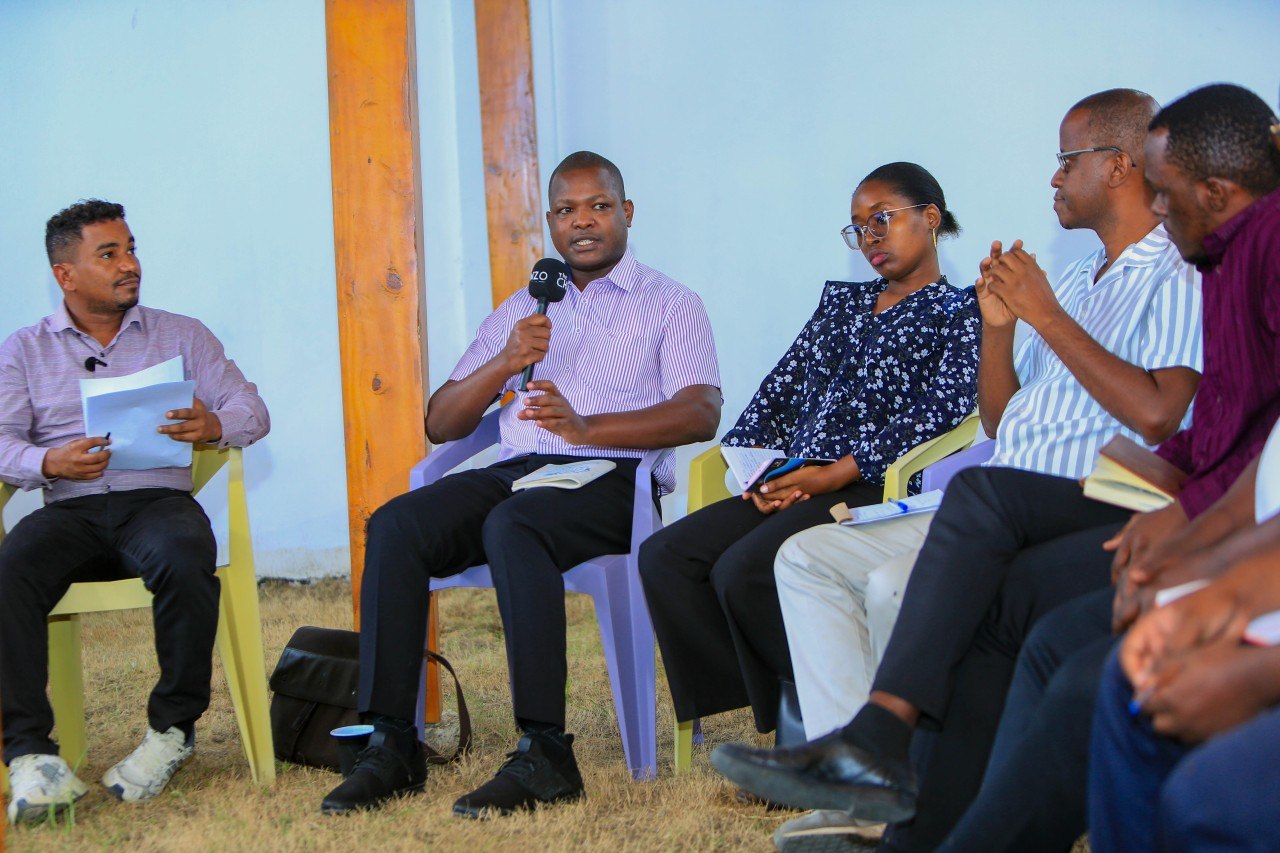
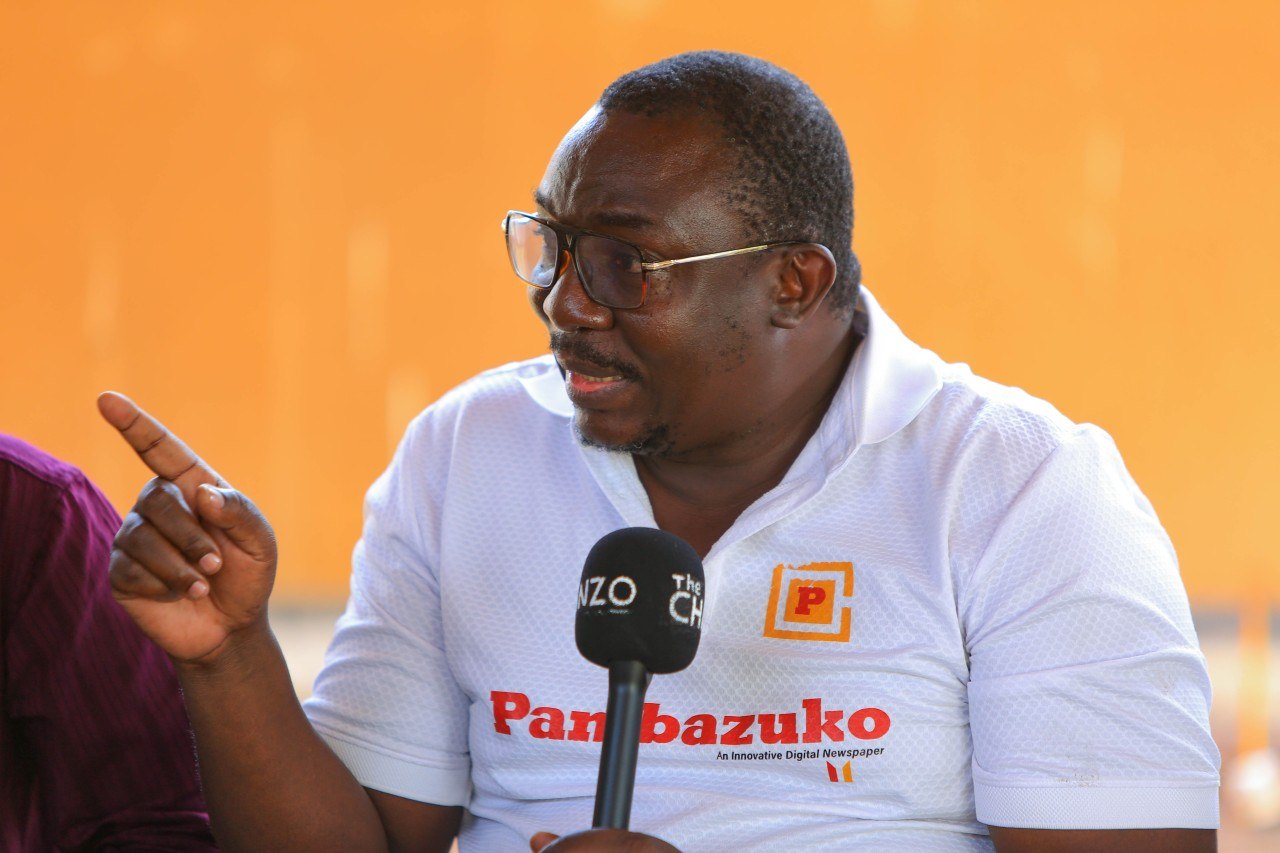
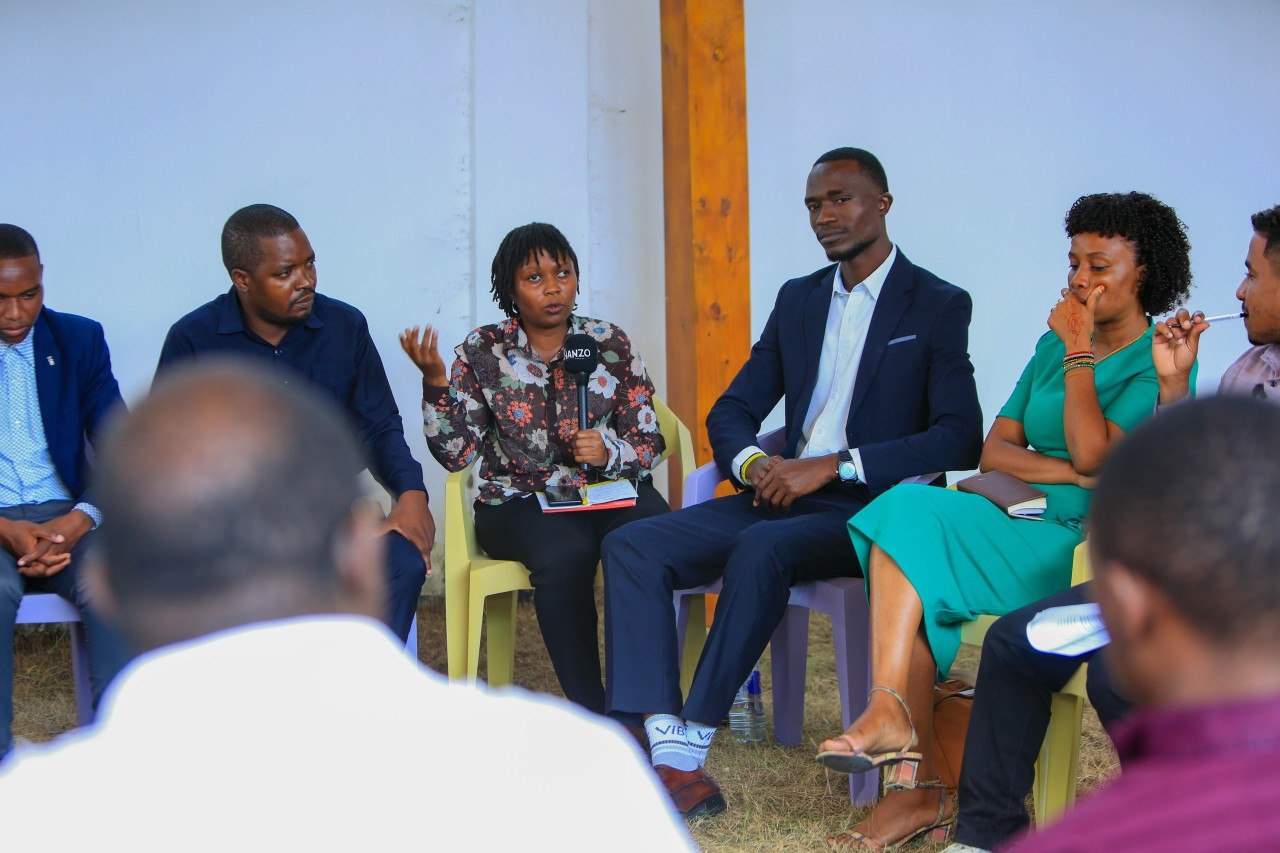
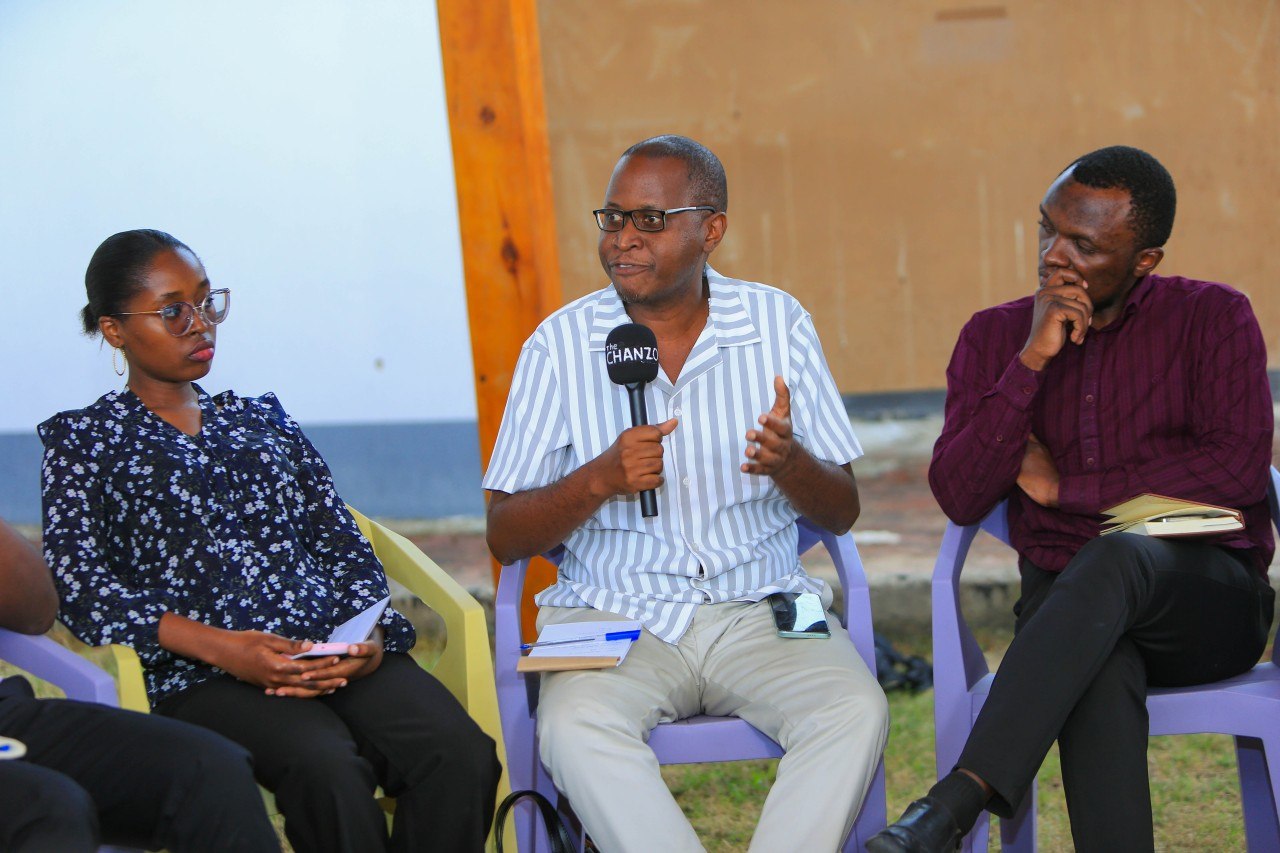
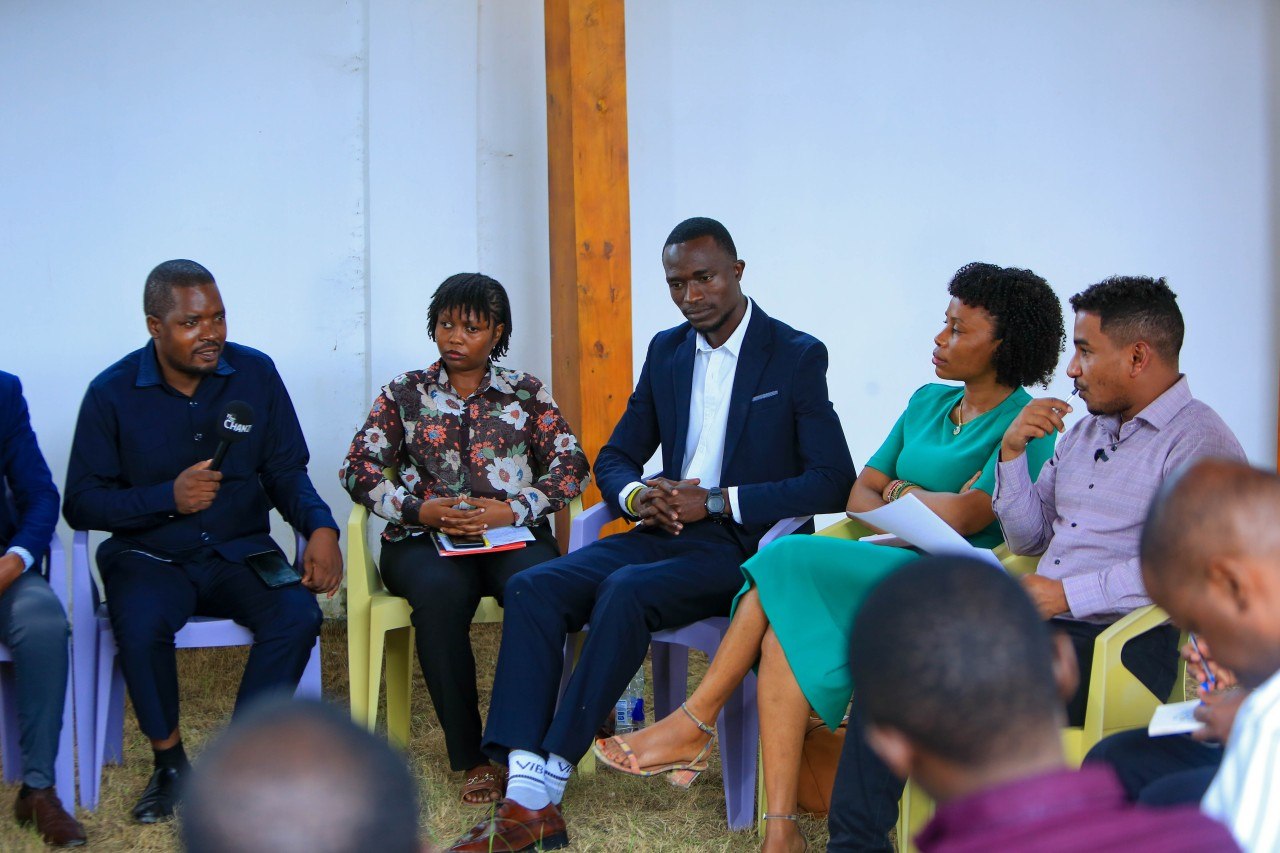
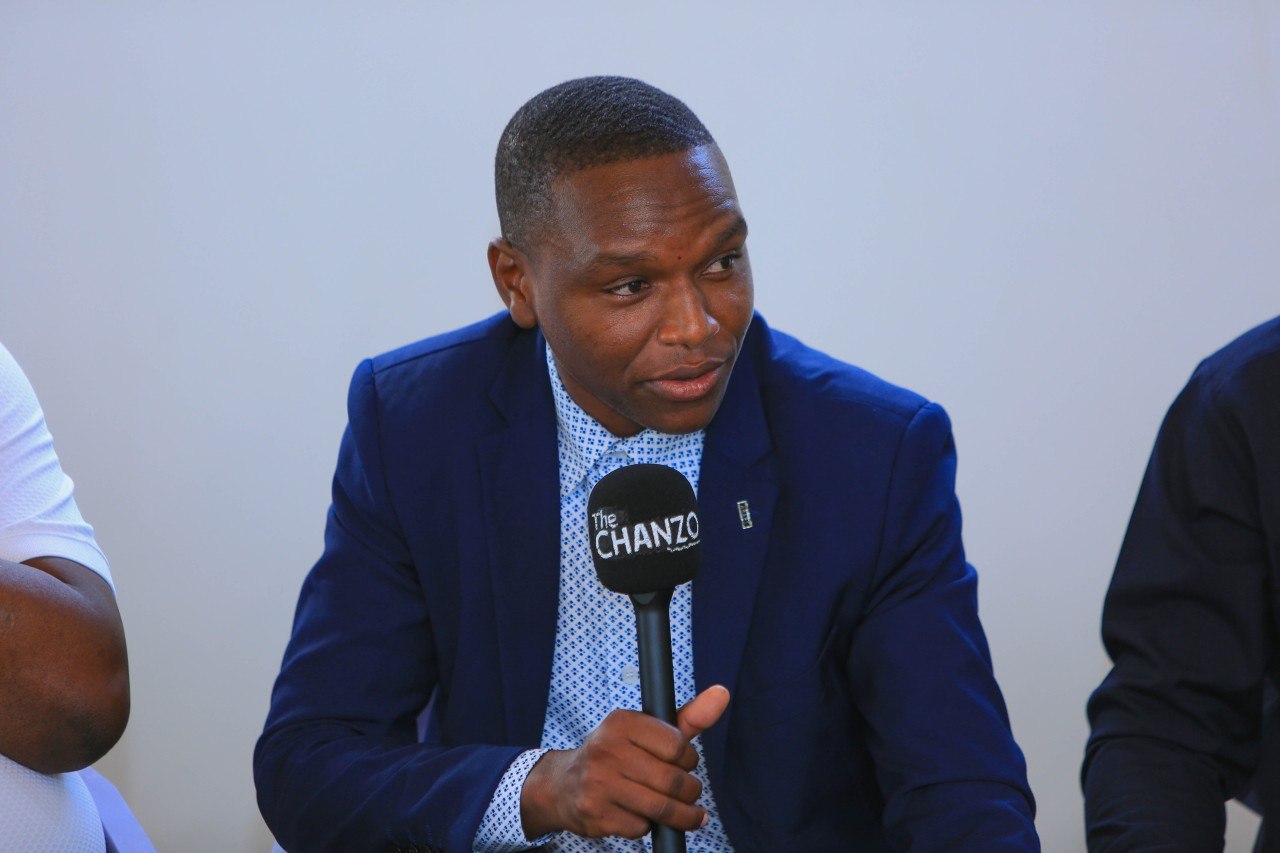
The session was hosted by The Chanzo’s Khalifa Said. Key discussants in this episode include Ocheck Msuva, Founder and CEO of Bridge for Change, a youth empowerment organization; Tina Mfanga, a social justice lawyer who chairs the Manzese Working Women Cooperative; Jackson Mmari, Finance and Administration Manager at Wajibu Institute of Public Accountability, an accountability think tank; Simon Mkina, an executive at Tanzania’s investigative outlet Pambazuko; and Peter Nyanje, a journalist with Pambazuko.
The panel also included four students from the Institute of Finance Management: William Mwikabe, Eunice Lukumay, Anna Christopher, and Emmanuel Ngasa. Two of The Chanzo’s analysts, Joel Ntile and Tony Alfred K., also joined the discussion.
Khalifa (host): How are you, The Chanzo viewer, we welcome you again to our series of programs, Kivulini Talks. Today we will have stakeholders, as you can see here, where we are going to discuss a whole topic related to the budget of the government for the financial year 2026/2027. We will also look at the whole issue of national debt, which has been a talking point and a big debate in recent days — there have been claims that it is sustainable, others saying it is not sustainable, so we will hear from our stakeholders here. But we will also look at how we can improve our systems, not just for collecting taxes and revenue, but also how the government spends that revenue, because of the reports we regularly see coming from the Auditor of Government Accounts on how the government uses the revenue it collects. We have experts here and other stakeholders, we’re going to discuss these issues. My name is Khalifa, and we welcome you all warmly, welcome.
Participants: Thank you.
Khalifa: Perhaps there is someone among you who has gone through this budget and looked at it as it is, based on what the government has planned to do, is it a budget that will drive development of the country, including for young people, or is it just a budget to cover administrative costs in our country?
Ocheck Msuva: Khalifa, if you’ll allow me a moment, the first thing I would say is the budget itself, as it is, has the capacity to accelerate development. Implementation can have a different implication, that’s just to say a budget as a budget has many opportunities to bring development, but the issue of budget implementation is another thing that can bring a different interpretation.
Khalifa: Tina wants to contribute, then brother Nyanje.
Tina Mfanga: Thank you. What I can say is that it is just aiming at continuing to sustain the state. In reality, of course, from the perspective of government people and others who are pro-budget, they’ll start telling you there are roads being built, there are strategic projects being built, so that is development. Now development also has two perspectives. If very good roads are built there in Manzese, for example, all the local streets get tarmacked, Manzese, that’s a squatter settlement, it gets changed, very tall high-rises are put up there, but the residents of Manzese there, whose actual living conditions are very poor, that kind of development which doesn’t consider them ends up displacing them. I’m giving an example, and increasing their poverty.
A budget which, for example, if in the health ministry’s budget it allocate a certain amount and build a hospital, which is very good, but it doesn’t consider that the cost of seeing a doctor is twenty thousand, medicine costs how many thousand. So the building of the hospital may be there and fine, but eighty percent of the residents of the area end up being unable to go to the hospital because they can’t afford the costs. From that perspective, honestly, it’s not a development budget for this very large group, which is the large percentage of citizens we have in our country.
And even this budget we have has that same shape, there’s that ten percent increase, but they are going to borrow like 15 trillion again. Money being set aside for paying those debts, whatever you call it, servicing the debt, it is seven times the health budget, it is seven times the water budget, and we’re in a huge water crisis. Mama says she is looking to lift the bucket off women, but I think only 1.2 trillion has been allocated for the water budget. And if you look at it, a lot of the money also goes to pay old debts, much of the infrastructure has deteriorated, water is being wasted, women keep suffering with challenges. But there’s like 7 trillion point something, if I’m not mistaken, that goes to servicing the debt. So it has the same outlook of settling administrative costs, but the real development for the ordinary citizen at the bottom is not true, from the perspective that currently exists.
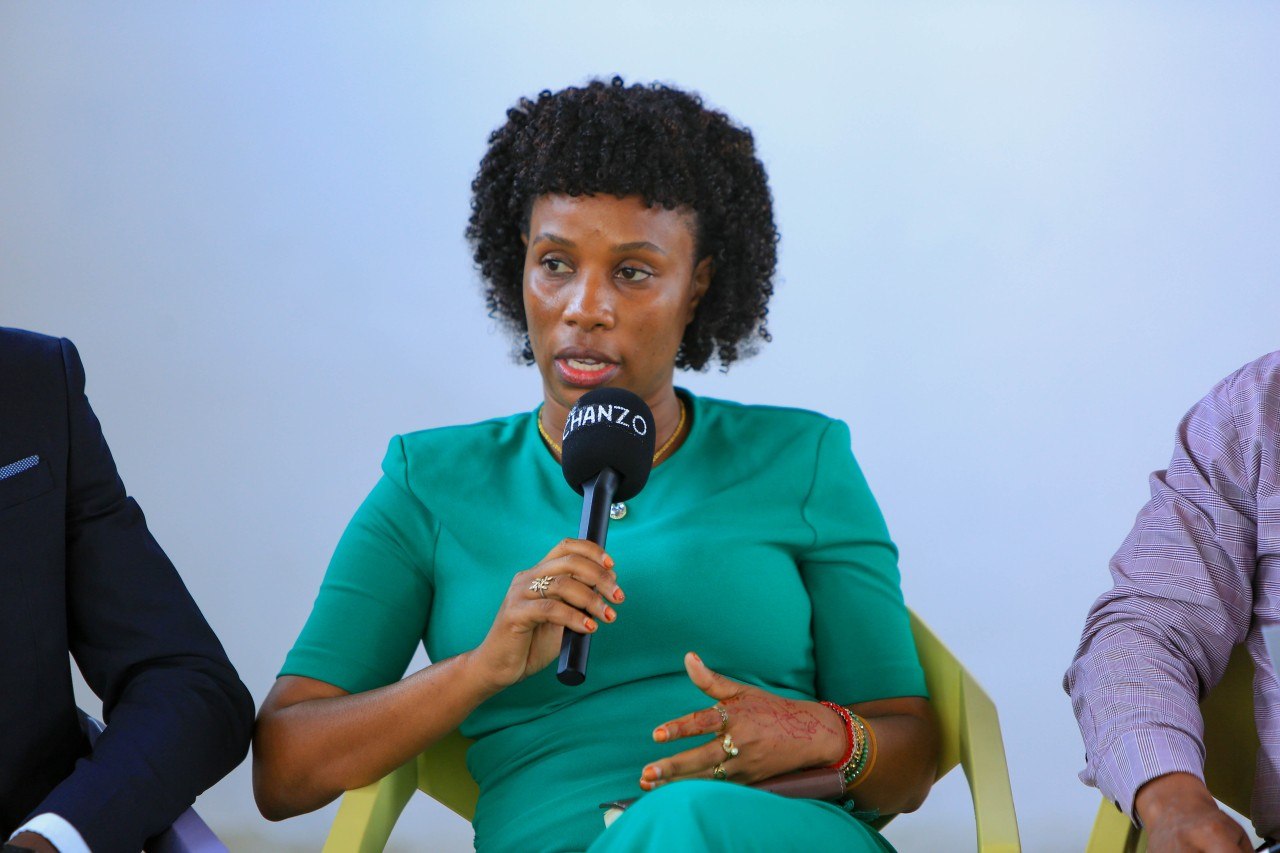
Emmanuel Ngasa : And according to the budget proposals presented in parliament, when at the reality of the tax changes made in those proposals, that looks at taxpayers, especially these very small ones who are treated under presumptive regimes, meaning they are small taxpayers. At first they used to be determined, or start paying tax, when their turnover was shown at a numerical value of 100 million shillings per year, but now it’s been raised to 200 million per year. This gives the small taxpayer room to prepare to take on their important responsibilities, like paying tax. These are important responsibilities for the taxpayer, they need to prepare for them too, by doing their own self-assessment tax estimates over a longer period.
There are also changes made for this small taxpayer: since the time they got their identification number as a taxpayer, they’ve been given one year before they have to pay tax, meaning this also gives this small taxpayer time to prepare to take on their mandatory responsibilities. So in these tax changes there’s a place the government has based itself, and it has created a conducive environment for businesspeople or taxpayers in general. According to the changes in tax laws, for example, if you look at value added tax, meaning VAT, there are changes that have been made, and overall all the changes in the value added tax law have reduced government revenue. This shows how the government has sat down, assessed, and considered that if we do this we will build for them a conducive environment for these taxpayers.
Khalifa: Up to March 2026, and this Sister Tina had already hinted at, the national debt reached 114 trillion point something. That means an increase of about ten trillion from the previous financial year. And every time the debate on national debt is raised, the government reassures citizens, they say it’s true the debt may be growing but it’s sustainable, we still have sustainability. But from the perspective of people like you who oversee the whole issue of accountability at the Wajibu institution, sustainability specifically, what does it actually mean? What is sustainability when it comes to the whole issue of national debt and the government’s ability to service that debt?
Jackson: Thank you, Mr. Khalifa. Sustainability means the government’s ability to be able to pay off that debt, or fulfill the terms of repaying, servicing that debt, while still being able to carry out its normal day-to-day administrative activities but also services to citizens. Now for Tanzania, we’ve been told this debt is sustainable, and the measures or criteria used, I think, were all developed by the IMF, so they’re international criteria. Let me first set that aside, the first, very fundamental thing we should be discussing is: we borrow to do what?
Over the past five to ten years, since 2015, when we started getting more involved in implementing big national projects, especially strategic ones, we have been borrowing in large amounts, that’s when the borrowing started increasing. But when we got to 2020/2021, our relations with the international community started to wobble, so our access to aid or concessional loans started to decrease. But having already committed to implementing those big strategic projects, we also started seeing that, in the breakdown of revenue sources, about three years ago the borrowing from commercial sources started to exceed, for example, last year 6 trillion was planned to be borrowed, 10 trillion was borrowed, which is 4 trillion more than expected. So that’s one of the reasons that has caused this debt to increase.
Now, we were borrowing so we could carry out big strategic projects. The first project we’re told is complete is the Julius Nyerere hydropower dam. Remember, when we make a borrowing plan to do a big development project, it means we plan how long it will take to implement, when it will start, when it will start producing, when it will bring us revenue so we can start paying back that loan. If you read last year’s report from the Controller and Auditor General, it shows more than, if not three, then six — machines at the Julius Nyerere Dam haven’t started being switched on, meaning we don’t have the grid to be able to receive that power from the plant and transport it to the users. But also it’s possible we don’t have the economy, meaning, in terms of industries that need that electricity. So it’s like we bought a semi-trailer Scania truck but you don’t have the cargo to load onto it. The repayment of the money we borrowed to build the national dam has already started coming due, but the dam isn’t bringing benefit to the economy that produces the money to be able to pay it.
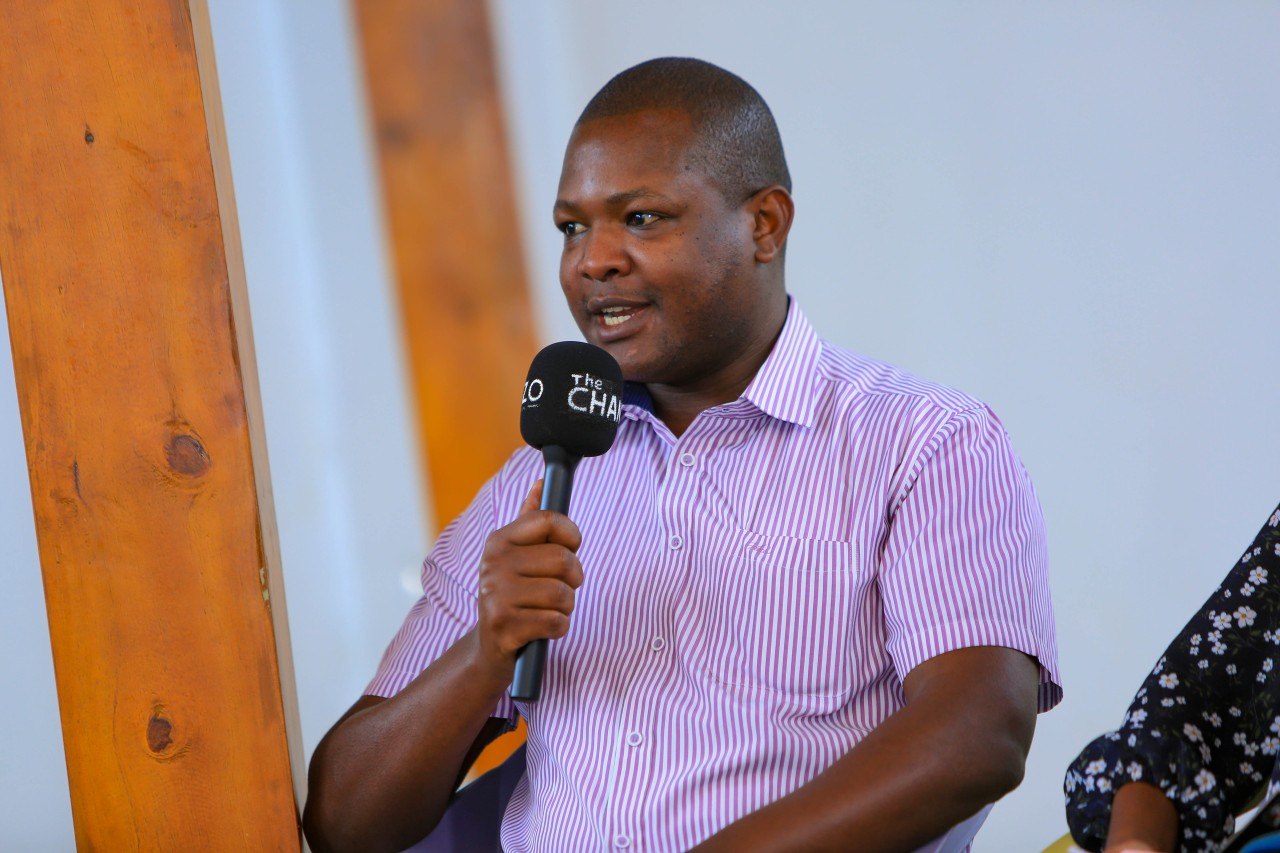
Second area: the construction of the standard gauge railway, this electric railway. Up to now, it was expected that we would have already reached Mwanza, once we reach Mwanza, we’ll have cargo. Realistically, what we’re seeing right now, Dar es Salaam to Dodoma, is like when baking a cake, it’s just the icing on top. Passengers alone can’t cover the costs of running the SGR; that railway has to reach Mwanza so containers can be hauled and delivered to Mwanza, loaded and sent to Burundi, Uganda, and other neighboring countries.
So we’re borrowing, and yes it is sustainable by international standards, but when we come to look at the reality of its implementation, it still doesn’t match up, and that’s what now creates our fear, will we be able to repay in the future, because right now the very things that were borrowed for aren’t producing, which means we’re paying using citizens’ taxes, and citizens keep getting squeezed.
Another effect we’re seeing is that some of this money borrowed for projects that were planned as strategic ends up going to things that may not have been planned, they just come up. One is Tanzania participating in AFCON, and we saw, for example, the Arusha stadium, how it was implemented, and the Auditor has questioned that it went over cost by more than one hundred, or two hundred billion more than planned. Things like this divert and take away the reality we were supposed to have for success.
And let me finish by saying, I think this applies to all African countries, let’s sit down and create our own criteria for measuring ourselves on national debt. Let’s stop taking those international criteria on their own; we can continue with the international ones, but let’s also create our own, based on the state of our own economy, not modeled through the economy of developed countries.
Khalifa: Thank you very much, Jackson. Joel, then Tony, you wanted to contribute?
Joel Ntile: Jackson finished with something, I think is very fundamental, and it’s exactly what I wanted to contribute on my part. You know, the issue of national debt sustainability has continued to appear sustainable based on the criteria set by international organizations like the IMF, and those criteria have been used in various places across Africa. We’ve seen countries, for example, like Ghana, using IMF criteria, they were being told every day the debt is sustainable, the debt is sustainable, until they found themselves in a situation where the government is unable to borrow, unable to repay debt, but also unable to even carry out its other normal activities.
So now, with the structure or design of this budget that we have, we can look at that, because the IMF’s criteria very often emphasize, you even hear the minister, when presenting the budget, say the debt is sustainable because if you look at the ratio between debt and GDP, it hasn’t reached the threshold that those international organizations have set. But that’s a criterion that isn’t really realistic when you look at the context of developing countries. Why? That’s a school of thought, it’s just one perspective of some economists. Another perspective of economists says: as debt stands, you need to look at your own ability to repay the debt.
For example, in this year’s budget we said domestic revenue, which the government expects to collect, is forty-six trillion out of that budget of sixty-two trillion. But let’s come back to government spending: out of that 62 trillion, about 14.6 trillion the government has planned to use to service debt. So if 14 trillion will be used just to pay and service debt for this financial year, that means thirty percent of all the domestic revenue the government expects to collect will be used to pay off debt. Meaning: in every hundred shillings that the government will collect this financial year, thirty shillings will be used first to pay debt, that’s just the debt.
Now come to salaries alone: the wage bill of government employees is also fourteen trillion. So if you add up just debt and salaries, more than 28 trillion, more than fifty percent of domestic revenue, that alone will be used just on salaries plus servicing debt. There you still haven’t gone to other regular government spending, and only then do you come to spending on strategic and development projects.
So it already tells you that, at the stage we’ve reached right now, because we’re using such a large share of our domestic revenue to service debt, that should be a sign to us, as Jackson says, that we must evaluate ourselves, because that thirty percent is a very dangerous thing. By the standard of other development economists, who say debt should be looked at by looking at revenue, what we collect domestically should not exceed eighteen percent used to pay and service debt. If Tanzania had that, we would at least be using eighteen percent to service debt, meaning we would have a large surplus to be able to do major investment.
Khalifa: Thank you very much, because there’s that question too, which I’m glad you already tried to raise: borrowing, the government can say, is not a bad thing, we borrow so that we can do development activities, because even here we mentioned the hydropower dam, at the end of the day it’s for people to get electricity, although Jackson spoke well that the loan has matured but the project is still… Perhaps when you’re contributing, Tony and my brothers, tax experts here from IFM, could you add on whether we have the ability to collect enough tax that could allow us to service the debt we have and at the same time carry out our development activities? Because I was just looking at figures here, for example, December 2025 alone we used approximately one trillion to service our debt, to pay lenders, which perhaps should have gone to a dispensary, hospital, school. When you’re contributing, let’s see, perhaps you could also touch on whether we have enough capacity to generate revenue that will allow us to pay our creditors but also send medicine to hospitals.
Tony Alfred K: Thank you, while he was speaking I wanted to introduce a bit of figures. If you look at 2016/17, the debt we had was 46 trillion. Five years later it became 64 trillion — it increased by about 18 trillion in five years. Now, if you look between 2016 and up to March 2024/25, right now we’re talking about 114 trillion. From 46 to 114, and that 46 trillion, you can look at how long a period we’re talking about there. Projects you can remember for before are the Mtwara gas pipeline project, many electricity projects. Now, what Jackson was talking about is: can we look at this debt and point what has has been done, because it’s big.
Now, going back to your question, do we have the capacity to raise domestic money and pay debt? I want to paint a picture of the loan. Imagine the government is a family, a household. If you don’t have money, that means you borrow, right? Right now, our household uses seventy percent of our revenue: thirty to thirty-five percent of that goes to loan repayment, then forty percent we pay salaries, meaning, before we’ve done anything at all, seventy percent we use for loan and salary. These are mandatory expenses. Now you haven’t cleaned the office, you haven’t done anything else, other spending, people haven’t traveled and other things, meaning you only have thirty percent to run the office and do other stuff.
If you think about that thirty percent, what is actually being done with it right now? For example, you run into a financial squeeze, if within the household you don’t have the ability with the money you have, you borrow, maybe there’s an uncle who has a job, that’s when you hear we borrow domestic loans. But domestic loans can only get you so far.
Then, because you have no other way, if you have to build a new road, you have to borrow, that’s when you go to “loan sharks” type loans. So I think, when you talk about sustainability, you look at yourself as a government: how comfortable are you after paying your loans? Because a small development happens and you have to go to the loan sharks, or if a disaster happens you have no room to do anything, that thirty percent, if floods happen, where do you get money from? There you haven’t even paid to clean the office.
I see it’s like the pace of debt, the pace of the loans we’re taking, and the pace of revenue collection. Of course, if you look at the pace of collection, it has been high, we’ve been doing well. But the pace of borrowing has also been going at that same pace, it’s like they don’t meet, so you find yourself going around in the same spot. I think we need better management on debt.
Khalifa: Yeah, here we…
Peter Nyanje: Wait, sorry, Khalifa, on that same issue of collection, there’s a certain trap we can fall into through this budget. To a large extent, the government, because foreign loans have decreased, this financial year will borrow more domestically. So its first implication means small domestic borrowers will have a hard time getting funds. Now, for the government to repay, it has to collect tax, which comes from the activities of these domestic borrowers who aren’t getting loans, there’s a problem there. That’s the first issue. The Bank of Tanzania has also raised the interest rate on loans, so this means loans, even though people are not getting them, are also going to become more expensive. So a lot of domestic economic activity will be affected, meaning the government’s ability to collect in order to service debt will also be affected.
Khalifa: Simon?
Tina Mfanga: Let me speak a bit first — there is something very interesting about that.
Khalifa: Sorry, let Tina speak, then we will go to brother Simon.
Tina: He has raised a very important argument at the end, I would like to link to that. To what is being called changing the system for the 10 percent loans, so the government takes money from the local councils and sends it to the bank, so that women, youth, and people with disabilities can be lent money there through the new arrangement they’ve set up. There, loans are given to groups without interest.
But banks are running a business, I don’t know what incentive they have to give a group an interest-free loan, at the same time as the government comes to that very same bank and also borrows. Isn’t that right? I’m not an economist, but I know giving a loan to the government is much safer, meaning when they lend to the government, the assumption is that it’s safer and more certain to be repaid. So now, what will attract the bank to give out that money, even if it came from the government, to a group in Manzese which they are not sure of repayment? They also have to include the cost of following up on that loan. Instead of giving out that money, they could lend it to the government, where they are sure of repayment without any hassle.
So that thing ends up affecting more these groups that people rely on, and we hear a lot of noise about billions being set aside for them to take, a huge bureaucracy gets created for these groups to miss out on those loans out there, because they say it removes them from council-level bureaucracy. Isn’t that so? But this system that’s been brought in ends up exposing them more to banking bureaucracy and many other processes that cause them to miss out on the funds.
I’ll give an example, I’m not a real expert in banking matters, but I know when you go to borrow, they have their procedures, they look at your credit referencing, to see how your loan history is. And these women, very many, for a long time, were stuck in ‘blood-draining’ [loan sharks type of loans] loans from microfinance institutions, which, given how those loans were structured, those interest rates and repayment arrangements, many of them became unable to repay. And because those microfinance institutions, according to BOT, are required to report those bad debts, many of them are already on that blacklist. So the way this ten percent goes to the bank means you expose them to that process of being checked against this criteria, even if a group has however many members, and one or two of them already have that problem, they all end up missing out.
Khalifa: Welcome, brother Simon.
Simon Mkina: The government has maintained consistently that the loan is sustainable, domestic and external. But when you look closely, reading their own reports, not made up by me or anyone, our debt is not sustainable. The cutline for sustainable debt is often that repayment is not supposed to exceed 18 percent of what you collect. But we are going above 30 percent. This means we are creating a budget to repay debt and pay salaries, while the development budget, if you look at all the ministries, whenever they speak, they say this amount is for development and this amount is for other things, such as paying salaries, buying luxury vehicles, and building houses for retired presidents. Even if a retired president already has ten houses, we still add another one.
So we are placing a huge burden on our budget while forgetting the people at the bottom, who are essentially the people the budget is supposed to focus on. But when you look at the issue of taxpayers, Tanzania’s biggest taxpayers are workers. All the wealthy people you see do not pay taxes. They may take large amounts of their money to contribute to the ruling party or to other causes, but essentially, the amount they are supposed to contribute to the national budget is supposed to be much greater than what comes from workers or people running small businesses.
Khalifa: Emmanuel, Eunice, William, Anna, you are experts in tax issues, do you have something to say
Emmanuel Ngasa: As you all put it, it’s like you’re predicting, mister there, I listened to his remarks, it’s a prediction.
Khalifa: So what’s your view in short, before I give it to Eunice?Is that we are doing fine?
Emmanuel Ngasa:We’re doing fine, because if you also look at the tax changes, they increase government revenue. In short, we’re doing fine because the debt will keep being within sustainability at the level where the revenue we’re getting is at a numerical value that is large compared to before.
Khalifa : Sorry to interrupt, but you know they said that it’s like on what we collect, seventy percent we pay salaries and debt, and you think that’s good, on what we borrow, we use… what we collect we pay debt and pay salaries, then twenty-five percent and a bit is what we have.
Emmanuel Ngasa: Yes, he did say that, but remember he hasn’t touched on what benefits the changes made will bring — he hasn’t spoken on that.
Tony : [Interjecting] But it is a trend.
Khalifa: Okay, let’s give it to Eunice, Eunice, help us out a little.
Eunice Lukumay: Okay, from my perspective, I’m not going too far from what you’ve said, because, as we said, sustainable debt means the government can continue paying its debts while still doing normal activities. Coming back to what you said before — you said the government has gone to borrow abroad in order to build that dam to maybe support industries, and something happens that causes the debt to become unsustainable. Going there, we do something like what my brother said — that we take a loan, we build something, but we don’t have a place to channel it so it can produce more for us. And if you look closely, you said there’s another grid that hasn’t started working — why? We don’t have a place to send it. Maybe there’s a factory that needed it. So it’s like we’ve made expenses that won’t bring us the fruit to be able to repay the debt.
But also, from my other perspective, I could say the way we can help ourselves, we can’t say don’t borrow at all, but we can say reduce the rate of borrowing by widening Tanzania’s tax base. That’s why TRA gave an opportunity that anyone with an innovative idea that would help increase the tax base is welcome, with the goal of continuing to grow the scope for collecting tax.
I believe if people give ideas that can be productive in increasing the tax base, we will generate revenue that will help us avoid taking on huge debts outside, meaning we will take on debt that we can handle and repay, rather than reaching a point where we have debts abroad and domestically, we produce little, a flood happens, and now we have to borrow out of necessity. It must reach a point where Tanzania’s tax collection scope is large enough that even if any emergency happens, we can finance ourselves using the revenue we collect ourselves.
Khalifa: Thank you, Eunice , maybe we can get some ideas here, but let me give it to Ochek briefly.
Ochek Msuva: Briefly, I’ll just say one thing: two business people can both go take the same loan, one can go bankrupt, while the other moves forward. The difference is just in the management of that loan and how you run the business you’re running. I will come back to the same point that my sister spoke about ,youth loans passing through banks. We as stakeholders did research and recommended that instead of the local council issuing it, it should go through the bank, the aim being to improve their oversight.
I see the big problem we’re discussing here, we’re discussing borrowing, but if we really want to pull ourselves out, let’s go discuss improving the oversight of revenue collection and the use of what we already have. For example, we said how did we build the dam and end up finished and not have a grid to transmit it — meaning that isn’t a loan problem, it’s a project management problem, and how our thinking went. So I want to come back to that, perhaps one of the fundamental problems we should be discussing is how we improve management. Even this TRA competition, maybe they should add there how do we improve oversight, because that is the fundamental problem, that is where there is a leakage.
Peter Nyanje: He said what we’re talking about is predictions. Tony chipped in and says it’s a trend, I want to show him the trend. Let’s start a bit further back: we borrowed to build the gas pipeline. When we were at Citizen we wrote a story together with this guy [point at Khalifa], the use of the pipeline is less than 30 percent of its capacity, meaning it generates little money, it can’t even cover the debt it was borrowed for. Two: Kikwete came up with something called the gas economy, which was expected to stimulate gas usage activities to get money to go pay that oil pipeline debt. Magufuli said the gas economy is nonsense, let’s go build the Julius Nyerere dam. Now, let’s come to the Julius Nyerere dam, as he mentioned here, up to now all nine turbines have been installed, but that plant has not once been turned on to fully test its capacity to produce those 2115 megawatts, because we don’t have a place to evacuate the electricity.
So the dam has remained a white elephant up to now. As we’re speaking, we’re struggling to build a power line from Chalinze going to Dodoma, to connect it with that grid of 400 kilovolts coming from Tegamenda-Iringa going to the northern regions. So the dam, the time to start repaying is approaching while it hasn’t started producing.
We’ve borrowed for the SGR, up to now, this gentleman says it ends at Dodoma and we’re transporting passengers. Recently they announced we’ll start transporting cargo from Dar es Salaam, go and look at the cargo being transported on the SGR right now, tell me if it can generate enough to repay the SGR debt. It’s not a prediction, it’s a trend of things that have been happening from back then up to now.
Khalifa: Joel, one second, briefly.
Joel: I want to focus on the issue of tax that the expert there talked about a lot. Even Tony emphasized that if you look at recent years, in terms of estimates of tax revenue, TRA has been very perfect, they’ve even been exceeding target recently. But the bigger point in the overall economy of the country is: what’s being emphasized is that, despite this revenue being collected, if you compare it now with the money needed to service the debt every year, how comfortable is the government with the amount remaining for development tasks, including economic investment projects, along with other basic social services? So that’s the fundamentally important point, on the tax collection side it’s perfect, according to the estimates, if you look year by year. Because the trend is what helps give you a prediction of what will happen tomorrow.
Khalifa: Thank you very much, Joel. Jackson, now I want us to also look at oversight, because those shortfalls existing is one thing, and we have oversight, we have the Controller and Auditor General, isn’t management and oversight of spending… For example, you find the CAG says that all government institutions, overall, get clean audit reports at about ninety-nine point something percent, meaning things are good. But at the same time you find, for example, as we’ve seen in past reports, what happened at TEMESA, billions of money paid to suppliers that were phantom. We’ve seen how councils sell land, for example, the CAG raised a lot of concerns in Kibaha. How do you assess the level of oversight and auditing of how the government is making these expenditures?
Jackson: Thank you, brother Khalifa. I’d like to start where the discussion was — that, of course, what I said is the national debt appears sustainable by the criteria of the IMF and World Bank, but we advise finding criteria that match our own economy so we can be sure it’s really sustainable. If we’re using World Bank and IMF criteria, let’s use all of them, not pick just. One of the criteria that hasn’t been mentioned is the one which say: any country whose domestic revenue or tax revenue — the ratio of tax revenue to the economy a tax-to-GDP ratio doesn’t reach fifteen percent, that country doesn’t have the capacity to run itself. Tanzania is at 11 and 12 percent, that’s where we’re playing. So by that criterion, we don’t have the capacity to run ourselves. If someone wants to dispute that figure…
Now, let me come to oversight and auditing, and let me start specifically with tax — with the budget. The national budget has two faces. We’ve all talked about one face, the budget is policy, meaning it shows you what the government’s priority is, what it wants to do, what’s allowed, what’s not. The government can decide not to tell you to stop a certain business, but it will code it, put taxes on it, such that you yourself, looking at it, decide you won’t go there. So it’s policy. But on the other hand, the budget is also a control tool. And in control, there’s something called overall outcomes of budget implementation, and specific outcomes of budget implementation.
You’ll hear Tanzania, for example, last year we had a budget of 51 trillion, I don’t know, fifty-one, fifty-four, and we implemented one hundred and three percent of it. But you’ll find there’s a ministry that was given sixty percent. So it’s possible the overall outcome looks as if we’re implementing the budget as planned, but let’s look at it item by item. You can see there’s no harm, apparently, in taking 200 billion that wasn’t in the budget to go implement a football stadium for AFCON, but the ministry of agriculture over here hasn’t been given money, where did that money come from? If you read the report from the Controller and Auditor General, there are many areas where ministries make expenditures that weren’t in the budget at all, meaning there are things planned in the budget that didn’t happen, and that will cause harm.
But there’s another area, delay in disbursing funds. For example, ministries or institutions like TANROADS and TANESCO, if you delay giving them money that was allocated in the budget, and they use contractors, many from China or abroad, whose contracts have interest — for example, last year and the year before, TANESCO alone and TANROADS incurred interest of more than 8 billion, meaning those are expenses that weren’t in the plan, but because they were delayed in receiving money, they were delayed in paying those contractors, who then charged a penalty. Expenses like that we call “unproductive expenses”, nugatory expenses. Things like this show that our budget still hasn’t been able to be used as a control tool, as a tool of oversight, it’s a policy tool to show good things are coming, but it doesn’t hold and bind people accountable in implementation.
Khalifa: Maybe brother Dominic, staying on the issue of oversight and how we verify these things. For example, the CAG said that out of thirty-eight thousand recommendations he’s given in past years, only thirty-six percent have been acted upon, and some recommendations have been ignored for twenty years. The question comes: is the government just doing these audits to ignore the CAG’s recommendations without any consequences? And if that’s the case, what’s the point of doing the audit at all?
Dominic Ndunguru: If you look now, there’s a new approach that’s come into government and its various departments, to have a specific unit for evaluation. Many offices didn’t have an evaluation unit, and even now, when we talk about the development vision, it puts a lot of emphasis on the evaluation unit. I come back to that same point: we must have good policy. Now, these enforcers — the law, or various rules and procedures — what do they say about a person who doesn’t implement the auditor’s instructions? If you don’t have provisions that bind that person to implement, for them it’s not a big deal — it’s only maybe until their supervisor sees this has gone too far and disciplines them administratively only. But in law, in regulation, there’s nothing that binds them, it’s not a fault on their part. So many times we now need to go back and do an assessment — maybe the Auditor himself needs to do an assessment of where the problem is. It’s possible regulations, laws, and procedures that would bind these people don’t exist, that’s why they’ve left a loophole.
They play with that, even these loans for youth, women, and people with disabilities: before, it was just verbal directives from leaders, there was no law, so it wasn’t budgeted for. 2018/19 is when the laws and regulations came officially, after that, the Auditor started disciplining whoever hadn’t allocated it. Now all councils allocate for it, so we’ve moved from that free-for-all into a mandatory phase.
But let me also finish with the issue of waste, which has been mentioned a bit here, in these strategies of ours, we say let’s go to gas, halfway through we shift gears, now solar, now water again. You said it yourself, now they say “energy mix,” we mix now with solar and this and that, and projects have already started being implemented, feasibility studies are being done, I saw one in areas of Shinyanga, Simiyu, Kishapu. And I asked myself: now these water projects, these other reports, water, we haven’t finished gas, we haven’t finished, we’re not even using it, now we’re going again to the sun there, and that sun, once we get it, where do we send it? That problem is very big.
There’s another problem entirely, waste in completed projects. The CAG has been saying a lot about this too, you find hospitals built, completed, not operating. Just go walk around your neighborhood, you’ll see schools being built, markets built, completed, not being used. We heard the Mayor of Kinondoni say how many markets, I think about five, in Kinondoni aren’t being used. Now you ask yourself, how many billions were spent? One famous market, if you go to Bagamoyo you’ll find it too, sitting empty. I keep asking myself, may be they should give this to us chicken keepers, bring chickens in there.
Khalifa: Thank you very much, Dominic. And I want to ask a question, we, as citizens, what responsibility do we have, or what’s our role, in fixing these things we’ve talked about, market women, journalists, civil society organizations, tax experts? What is our duty in fixing this? And my last question is about something the government can do, but before going there, they say when you point one finger at someone, the others point back at you. What role do we have as citizens and our communities and organizations in fixing this situation, which is a very bleak picture, to be honest?
Ochek Msuva: If you’ll allow me to start, a good example here: we’ve talked about accountability and about tax plans matching ours as citizens. The plan of making the budget starts at village level, goes to ward level, goes to council level. Just an ordinary question, putting aside your expertise, when was the last time you went to demand or participate in that meeting to raise budget priorities? The plan is there for citizens to participate in budget priorities, at district council meetings, we citizens can go in just as participants. When was our last time going in and asking?
What I’m trying to say is just one thing: there’s a very big problem of giving up hope and stopping taking any action at all. And that’s a worse problem than a father not fulfilling some responsibility. As a child, you go to school and study hard, even if you don’t have shoes, then you go back and demand, keep demanding those same shoes, don’t stop demanding. But that duty of yours to study, I think there’s a very high level of citizens not being active at all, because perhaps they’ve thought the systems don’t respond to their voices. But I see that as an even worse thing, because it makes the one who should be accountable sit back, relax, and see there’s no need to be accountable.
So the space we have, one is if we go back to our own neighborhoods, whether it’s me or anyone else, at village or street level, everyone should participate, then someone can participate at each level as it goes up, so we can say we raised priorities. Someone said — I think it was Joel — that if in Dar es Salaam we said we need water, we need this, we need that, and they don’t show up in the budget during the implementation of this budget, we go and ask if we really did participate in raising them, and during implementation we have the power to ask.
But from my experience doing follow-up, when you go and sit with government leaders, many people have complained on the sidelines, but in the systems for applying pressure that can bring about implementation, many people don’t reach them. My advice is that we citizens should get into those systems and mechanisms that already exist, and use them with all our capacity to bring about better priorities and better development.
Khalifa: Brother Nyanje.
Peter Nyanje: Now the question could come, citizens are the ones who should participate, why don’t they? Our big problem as Tanzanians, we’ve forgotten that we are the bosses. Our constitution says the authority to lead the country comes from the citizens. I think either we’ve forgotten or we don’t know, we’ve left it to a small group of people called the government, and they’ve become the bosses, when in fact they are the servants. We hired them, we pay them to do work for us, but now it’s become the other way around, we citizens are suffering to work for them. So I think what we should do is wake up, take back our power, and start running our own country.
Khalifa: Who’s next? William
William Mwikabe: Yeah, thank you very much. I’ll also go with my elder’s idea here — he said we, truly, as citizens, have chosen people to represent us, but now, even if we give our opinions to leaders whom we’ve empowered to represent us, we’re not listened to. That’s why a person decides to keep quiet. But citizens can do things anyhow — for example, if we conduct debates, maybe starting entirely from the grassroots — but people have very good ideas about how to run or advise on economic matters going forward.
Also, when I look at people, maybe starting from the very bottom — we usually elect, maybe an MP, but it’s possible the MP we give our votes to speaks for us there but doesn’t even say one word, but after his term ends he comes back to ask again. They don’t empower us as their employers, instead they torment us, that’s why people end up staying quiet, not because they have nothing, they have very good things.
Also, why do we have problems like this, our debt keeps increasing? We should use alternative ways, because every leader who comes has a different policy from the one before. If we had progress issue-wise, maybe based ourselves on one thing, as he said, maybe like President Magufuli said “industries first”, if a President who came in later would implement that same thing, up to now we would be doing very well.
But there’s an introduction of something else, it gets dropped, another gets introduced, another gets dropped, and implementation ends up being small because someone gets placed to oversee some area, they’re seen to have messed up, but they get transferred again to another sector, and the same person messes up there too. We should now, even on our debt borrowing, have a minimum, maybe even a law, a threshold that, once reached, we legally shouldn’t be allowed to borrow beyond, so we can build diversity into our economy and collect our own money ourselves.
Khalifa: So what needs to change, policy-wise, practice-wise, to be able to get to a budget that really goes to address citizens’ issues, where our ability to service debt is fine, and we’re not taking money from the dispensary or the school? Here’s for anyone — you can give it to Tony there.
Tony: Yeah — first, building capacity. Right now our capacity for collecting revenue is very low, but we’re a country that has a lot of room to increase capacity. Every time we try to increase revenue capacity, we go for very small things, you hear, just recently, boda boda, now you go and charge boda boda, meaning you’re charging poverty. You can’t tax poverty, you tax wealth. So I think we need to unlock the country’s wealth. We say, for example, the gas economy, why hasn’t it happened? Why don’t we see gas pipelines spreading across Dar es Salaam? There’s Dar es Salaam, which uses 80 percent of the country’s fuel spending, which we import from Dubai, used here in Dar es Salaam. Why haven’t gas pipelines spread so that revenue comes back to the government, because gas is a government property so revenue would eventuaaly come back to the government?
From my perspective, the plan was forgotten, dropped. There was Dar City, there was that gas company that was supposed to [supply gas to last consumer, the gas economy is one of the potentials we just need to strengthen. Dar es Salaam needs gas pipelines spread to every corner. And it’s possible, for example, these Dar councils, they usually joined together and open business like hotels, but they could collect even one or two trillion. Take that trillion and create a gas company, spread gas pipelines, start collecting that money, that money would have already comes in without you depending on just tax.
We say we have in Shinyanga, we say we have industry, we’re building a strategic mineral industry, but every day, it’s just words. We say the country has not been surveyed, looked at those minerals, many were surveyed during colonial times, in the sixties, even gas was surveyed in the seventies. Because if you want to develop you need to use your potential. Why do we fail to make sure those areas that will carry us across are used, to learn how much minerals do we have, how much gold do we have? You say you need help [to survey], how will you ask for help, while at the same time you are setting aside a trillion for travel? Why not cut travel budgets, cut budgets for tea? [And use the money for surveying the country]. You travel in convoys that aren’t just, drink tea that isn’t fair, because you have a country covered in poverty, but it has a lot of potential.
The third thing is leaks, money gets lost. What Jackson said, you’re surprised, over three years the budget goes over targets, meaning it’s not that you just have a budget going one hundred percent, it goes over one hundred percent. But if you look, the CAG says TANROADS hasn’t completed projects, now you fail to understand, these projects that are in the budget, the budget went over, but why haven’t these projects been completed properly? There are many leaks. PCCB did a report saying there’s a ten percent crisis, everyone at every level wants to take a cut. Now the country is poor, and everyone takes, we are not going to make it, and we’re not perhaps serious about tackling that.
Peter Nyanje: We have a big problem, Tanzania as a country plans well, but we don’t implement what we plan. That gentleman gave a good example, the gas economy went and got stuck along the way. I don’t know, we plan to do this, it gets stuck along the way. This year, fortunately, we start implementing Vision 2050, that vision that just ended, have we already thoroughly audited what we planned to do, what we achieved, so we know how to move forward?
We’ve entered another vision without figuring out the earlier one’s performance, and that happens continuously, even through these one-year budgets, if you listen carefully to the budget, what’s discussed is estimates of revenue and expenditure, no one looks back to ask: last year we planned to collect this, have we reached where we planned to be? That needs to change, we planned to do this and this, what have we done, what caused it? Let’s start from there, really, instead of starting other new plans for next year without looking at past plans.
Joel Ntile: Thank you very much. For my part, if we sum up, my recommendations are in two areas. The first, Tony has already talked about, which I want to emphasize — there’s been a big wave of talk that the government shouldn’t participate in the economy, shouldn’t do business. But recently the IMF released a study showing that within these last four years, the world for the first time has witnessed many governments doing nationalization, in a different context. These waves have occurred in economic history only four times since the capitalist model took over. It happened after the big economic crash after the First World War, after the Second World War, in nineteen-seventy, and data shows it’s happened again recently. Even countries like the US, known as capitalist, have done nationalization on critical minerals in their supply chain for the first time.
So what Tony is saying is that even for our countries, we should drop the narrative that the government can’t get involved in strategic economic activities. It’s not that the government can do everything, but for strategic minerals, you make sure in the supply chain the government must have a share, we’ve seen it started in mining, and there’s an issue like dividends coming, which the government could utilize to increase other non-tax revenue rather than continuing to insist on taxing people.
The second and last one is the issue of systems, having discipline, expenditure discipline, which we still don’t have. Even the ways we call “punitive measures,” we see it’s become something that isn’t within the context of governance in our country, meaning punishing people who lack financial discipline. That image has been built that those punished are at the bottom, a street chairman involved in something, or at council level, four or five employees diverted some financial system, but it’s possible that if a bigger investigation were done, there’s also a very big problem at the level of spending on very large projects.
Khalifa: Thank you very much. I wanted to give Anna a chance too, because you’ve been very quiet, Dominic, then, very briefly, half a minute.
Dominic: Briefly, if we want to really succeed in getting more revenue, we must go back to production. Our production is very low in many things, wealth production, or everything. For example, just in livestock keeping, we are producing very little — our farms, especially us Tanzanians, are very small: five hundred chickens, two or three goats. We can’t get to a point large enough for these people to become taxpayers if we don’t produce. And why don’t we produce? I come back to the same point: our policies haven’t put emphasis on reaching out to people. If we go through the bank, we’ll fail, we must create guarantee funds even if we’re going to use banks, for livestock keepers, farmers, going to the bank.
Even developed countries, the EU or wherever they use guarantee funds, and they’ve removed tax in various areas, specifically areas of production, so people can just produce. For example, we produce wheat at ten percent, ninety percent we import from abroad. If we decided to use this wheat area, take youth and send them there to learn, we have SUA graduates who’ve already studied agriculture, take five hundred youth, bring them in, give them capital, tractors, and get them into producing wheat, how many billions will we get?
Khalifa: Anna, what needs to change to fix the situation to ensure the budget becomes a success?
Anna Christopher : In my view, I was proposing about the loan issue, there should be education given to youth and various people, because some know loans exist, but the process to follow becomes difficult. Even if a young person knows how to start a business, they don’t know the tax payment procedure either. And also, the government, in the loan it receives, must set up a way to connect across different sectors to do small projects that will bring more benefit, because most loans, the largest share, get used on big projects like railways, but at the end of the day they don’t have immediate benefit each year. So they should also focus on smaller projects that will bring benefit more quickly for the country.
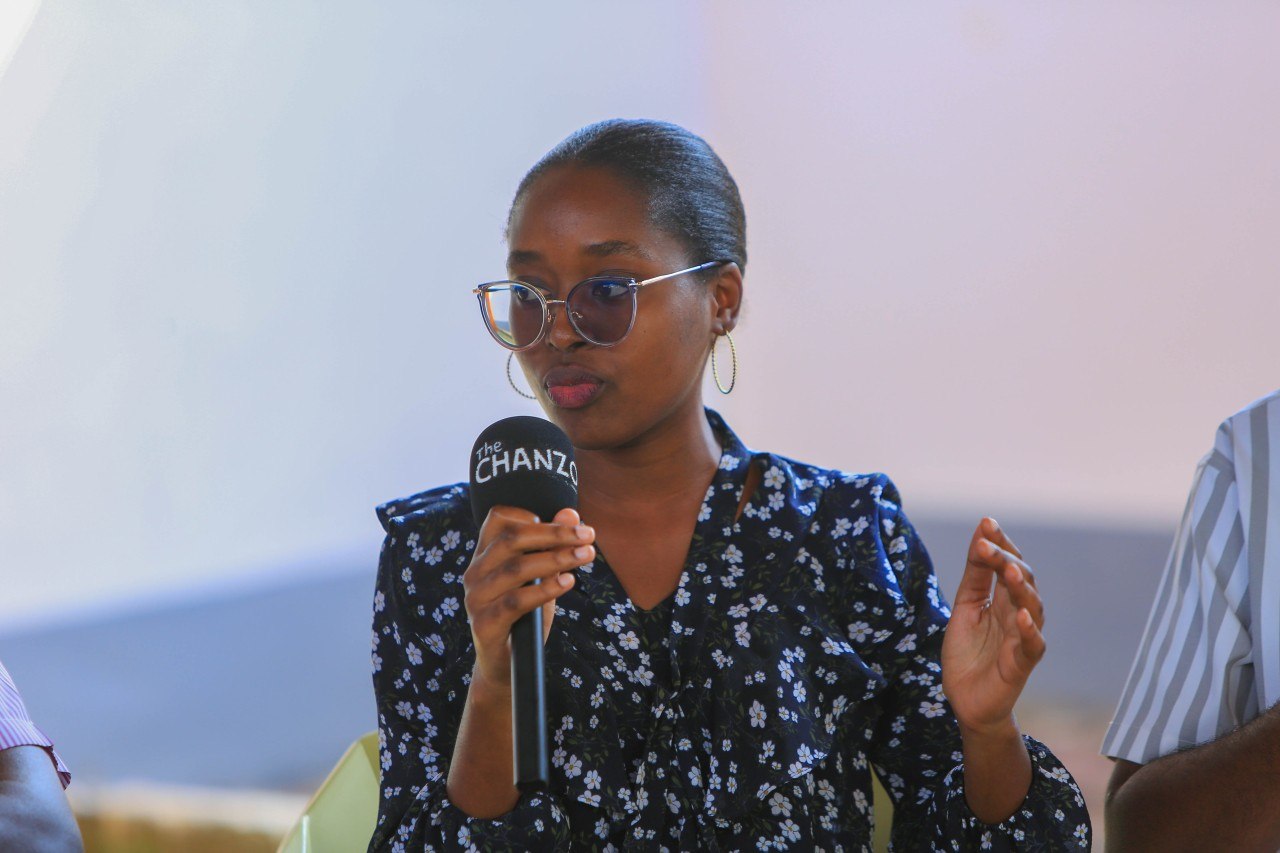
Khalifa: Jackson, what should be changed, even though its benefit might not be seen in a year, but will be seen in the long run?
Jackson: Thank you. Debates like this exist in many areas and go into many sectors — for example, in the budget area. If you read the constitution, I think article ninety, if not ninety-one — the organ that prepares the budget proposal is the cabinet, which takes the budget to the MPs. But that article says that if the MPs don’t pass it, the President can dissolve Parliament, and those MPs are representatives of citizens. I think you understand well, it’s possible there’s a garment we’ve worn and sewn so much, it’s torn, we’ve carried on with it. You can’t throw it away, you mend it — we’ve grown fat, we increase its size; we lose weight, take it back to the tailor and reduce it. Maybe it’s time to sew a new cloth.
Khalifa: You mean a new constitution? You don’t want to say?[both laughs]
Khalifa: Briefly, folks, let’s wrap up. William, briefly, briefly let’s finish, let’s close. Tina, I will try to make it brief.
Tina: And on the citizens’ side, I think we have a very big responsibility, and we shouldn’t just complain while sitting inside, or grumble individually, we need to really mobilize ourselves, form various communities and groups that will be used to apply pressure on the government, to follow up on those meetings you mentioned, they aren’t being called, it’s not just that citizens don’t know about them, they’re not called.
The last thing, if I don’t say it, my heart will really hurt, about the loans being sent to the bank, I have a big problem with how the government and also our scholars are thinking when it comes to solving citizens’ challenges: a challenge arises, and the solution they’re thinking of increases the challenge instead of solving it. That loan was said to be moved because oversight at the council was poor, there’s bureaucracy, many groups don’t get loans, loans aren’t repaid on time. The proposal to send it to the bank — let’s ask each other, brother, because you said you proposed that — about that provision, that many groups get loans: as we speak, about seventy-four thousand groups are registered nationwide, those that got loans are about eleven thousand point something. Meaning that problem of reaching many groups fundamentally hasn’t been solved, it’s become even worse, because the banks have added their own under-the-table conditions, credit referencing bureau standards, and things haven’t been solved.
If the problem was that the council has corrupt bureaucratic people causing these groups not to get loans, the solution wasn’t to remove them and send it to banks — because there’s something we’re not saying: these banks too were lobbying hard for that money to go to them, they need it to do business with. It’s like today it’s like you’ve failed to run your household, then there’s a man sneaking around your wife inside, and you tell him, please come help me run this household — and you know full well he’s sneaking around your wife, and you expect that to be a solution. That’s a lie. These loans should go back to the council where they were, and all the procedures to fix those challenges should be done there. If we want it to stay at the bank, there should be an understandable procedure, which I don’t see being implementable, because the government, realistically, with investor incentives, can’t fully control these big business people.
Ocheck Msuva: First thing I would say, let’s build up accountability at the individual person level. These people making decisions that we complain about are our uncles, our aunts, if I were to call my uncle or my cousin, it would be very easy for this uncle of mine to be held accountable. As a society, we’ve celebrated people when they mess up more than how we hold people to account. The only way to change all of this is starting with me, if my friend, my buddy, is working somewhere and I see him getting rich and I don’t understand it, I should tell him, sir, where is all that wealth coming from? Let’s not wait for those big systems, they’ll respond only where the relevant community’s culture agrees with those systems and policies too. Policies that my brother there is talking about, we will put in place, but if our culture doesn’t embrace accountability well, we’ll still put good policies in place and people will dodge them, slip past them.
But another issue my sister here is raising, it’s true we as stakeholders proposed they go through banks, but banking procedure, that’s someone else’s debate at implementation. Except one thing we need to remember: when they went through the council, many young people, depending on where they come from, whether political party or social background, were easily discriminated against. So one of the reasons this neutral agent, this institution we believe is unbiased, was proposed, was so it would at least contribute towards that. Implementation is a different matter, if you advocate on something today and it’s not implemented well, you start advocacy again for next time.
Simon Mkina: I have two things I’d propose. First, it is duty, everyone should do their duty, starting from family level all the way to the top. Everyone fulfilling their duty as they should, legally, policy-wise, socially, we’ll get somewhere good. But the second is priorities, we should have priorities that we think will guide us so we can move forward, otherwise we’ll be stuck, grabbing here, letting go, grabbing, letting go, and at the end of the day we haven’t grabbed anywhere.
Panelist: Thank you, I won’t talk much, but I’m still upset about corruption. If we get money, we get loans, even however much tax we collect, if it can’t go and do what I need done, there’s nothing we’ll accomplish. We’re enriching people, filling people’s pockets. People pay taxes, taxes get eaten. People drive terrifyingly expensive cars on the roads, people build terrifyingly expensive houses, an ordinary worker, a ministry or government employee, builds a house worth one billion, where does he get one billion? You’re just lying to us. This style breaks the spirit even of those who have the heart to pay tax, meaning, you don’t have my tax, I pay, but what does it do? Isn’t it better I just keep it?
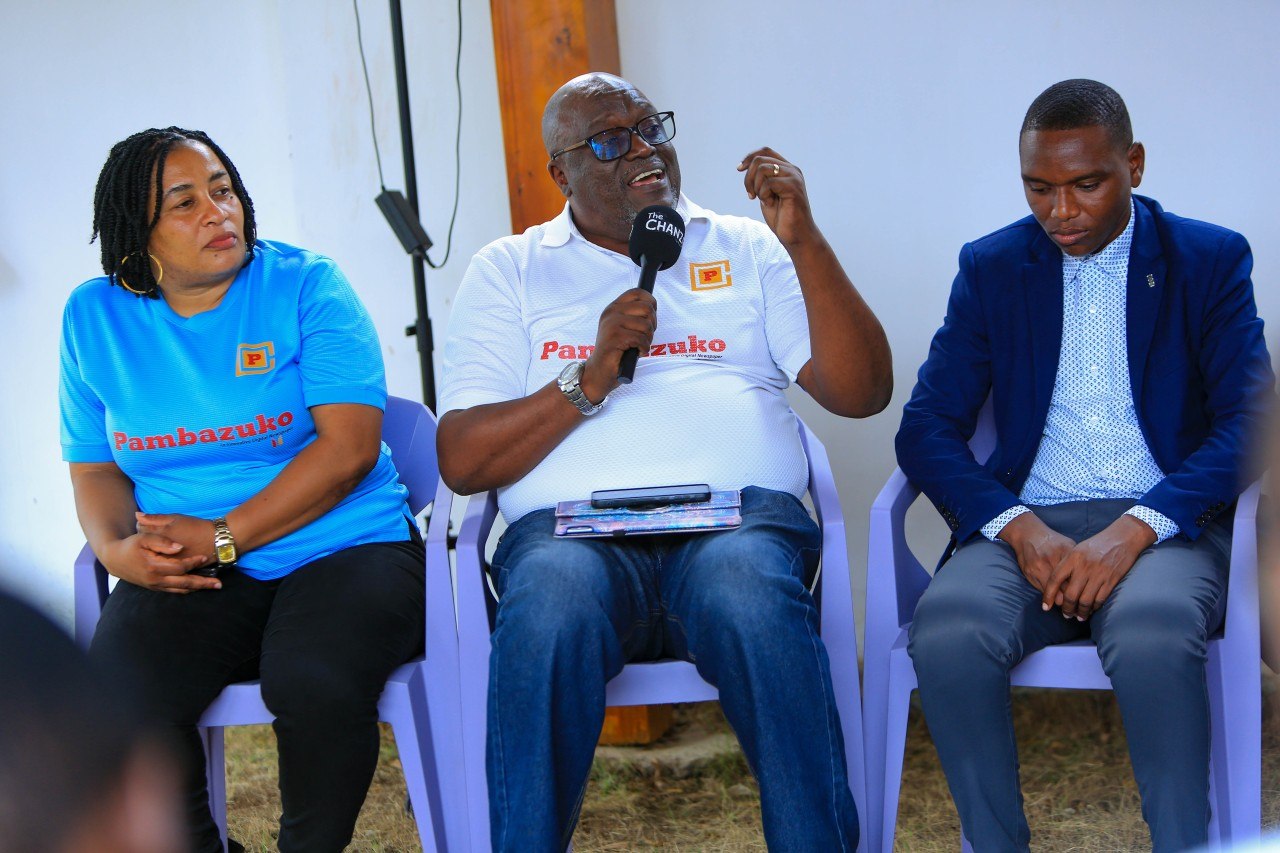
So I think on accountability, us as media, we’ve exposed several people, several areas where you’re told someone is doing this, but if you write about it today, go back two months, he’s been transferred, moved somewhere else. It’s not that going there he’ll change, it’s the same person. I don’t know under their own laws what they’re supposed to do, but I think if someone has done wrong, they should be removed and replaced with someone deserving. If you send him elsewhere he’ll just do the same thing. I’d like to end by saying this, thank you very much.
Khalifa: To you our viewer, tell us what can we do to make sure the challenges we’ve discussed here get solved, and we’re in a position where the budget made by the government reflects the reality and everyday life of Tanzanians, and moves away from these other challenges? You can write to us in the comment section below our video. And up to this point, we’ve reached the end of this wonderful conversation I’ve been having with these friends of mine regarding the government budget for the financial year 2026/2027, other matters too on government debt, matters of accountability, and how, as we’ve just heard, we can fix a situation like this.
Is there a topic you’d like us to discuss on Kivulini? Is there anyone you’d like us to invite to speak here? Would you also like to participate in these shows? Don’t hesitate to write to us in the comment section, and we’ll reach out to you and see how you can get here. I, who was hosting this conversation, am Khalifa, and on behalf of the entire Chanzo team who made possible the recording of this whole episode, thank you very much. Until next time, goodbye everyone, thank you very much, God bless you all.