
Mtwara — The government has launched the second registration phase of its Universal Health Insurance scheme, widening enrolment beyond the poorest households whose cover is paid by the state and into a national system intended to include people who finance their own membership.
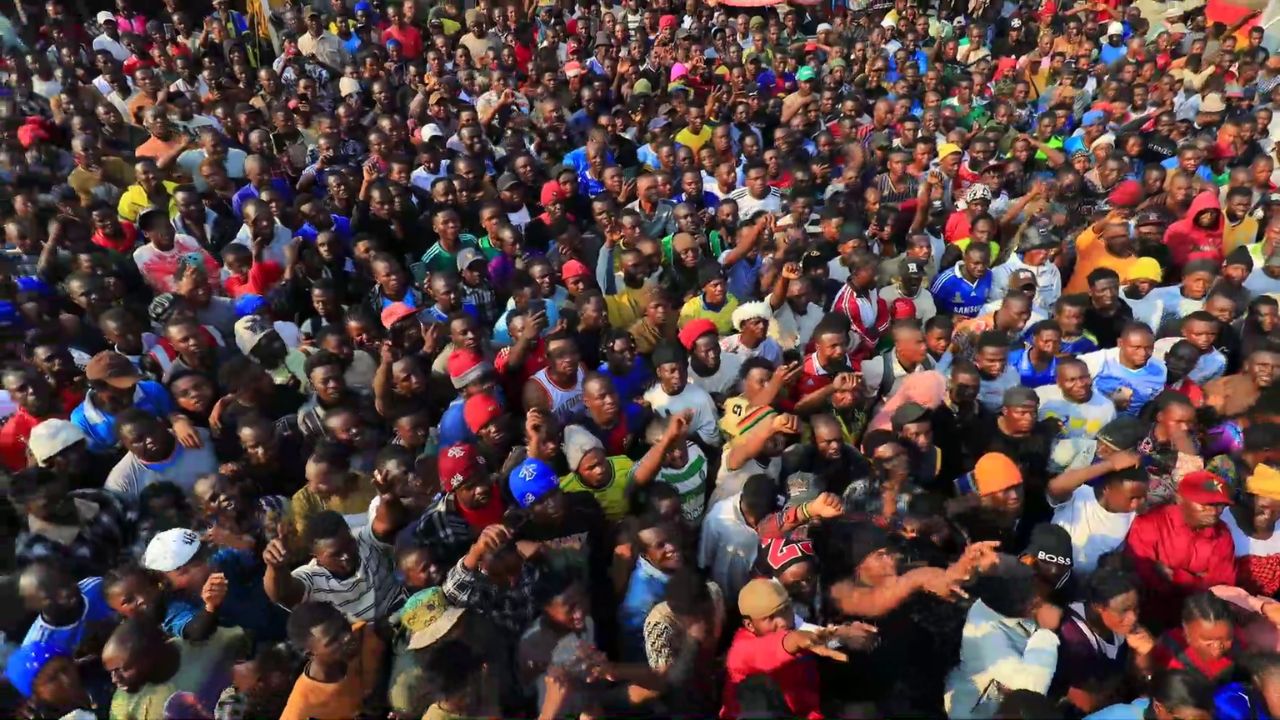
Health Minister Mohamed Mchengerwa launched the exercise at Mtwara’s Sabasaba grounds, where officials said the next phase would register people across income groups, in formal and informal work.
The initiative is the practical next step in a programme designed to prevent a person’s ability to pay at the point of illness from determining whether they seek treatment.
“We are now opening the door to everyone,” Health Permanent Secretary Dr Grace Magembe said at the launch, referring to people who can pay for their own cover as well as those whom the government has classified as unable to pay.
She said Mtwara was selected for the national launch after leading regions in enrolment during the first phase.
READ MORE: Health Insurance for Children ‘Toto Afya Scheme’ To Return After Hiatus
The expansion implements the Universal Health Insurance Act, 2023, which makes health insurance compulsory, requires employers to register workers and provides for the registration of people in both formal and informal employment.
The law also requires regulations for identifying people unable to pay and bringing them into the system, with the government meeting their cost.
Universal health coverage does not mean that all treatment is automatically free. It is the policy aim that people can obtain needed services without financial hardship, with costs pooled through contributions, public subsidies and other health financing rather than borne only when a patient becomes ill.
Pilot to national
The first phase began on January 26 and focused on households identified as unable to afford insurance. The Ministry of Health said it had allocated Sh48.8 billion for that phase, which was planned to reach 276,004 households, or 1,206,319 people, including residents of state-run homes for older people and children.
By June, all 276,004 targeted households had been entered into the system, according to an NHIF update. But the same update recorded 997,015 registered beneficiaries, 83 per cent of the original individual target, while 495,034 had collected membership cards and 501,981 had not; officials said they were still verifying 209,304 beneficiary records.
READ MORE: TIRA’s Role in Reshaping Tanzania’s Insurance Sector: A Look at Key Milestones
Those figures show why the second phase is more than a new registration event. It must also move people from enrolment to usable cover, through verified records, card distribution, functioning digital systems and health facilities able to honour the benefit package.
The Ministry’s 2026/27 budget statement said phase two was being prepared for 589,772 additional households classified as unable to pay, alongside people able to fund their own membership.
It said the planned essential public package contained 372 services and was priced at Sh150,000 a year for a household of up to six people, although contribution levels for informal-sector members are set through regulations after consultation with the Finance Ministry.
Care behind coverage
Magembe told the Mtwara gathering that the programme’s success would not be judged only by the number of people registered. “It will also be measured by the ability of the whole health system to give people quality services on time, services that respect dignity and rights and meet their needs,” she said.
That is also the central implementation question. At the March health-sector review, the World Health Organisation reported that GoTHOMIS, the digital health information system, had been installed in 97.8 per cent of public facilities, while workforce shortages, medicine and commodity constraints, fragmented digital platforms and uneven community-health financing remained concerns.
READ MORE: Tanzania’s Private Health Providers Say They Won’t Accept NHIF Members As Talks Falter
The Ministry has acknowledged the link between coverage and service quality. Earlier this month, Mchengerwa directed officials to assess regions by the services delivered, the availability of medicines and whether members can use insurance at facilities, rather than by registration figures alone.
“Illness does not wait for a citizen to find money for treatment,” he said in a separate ministry briefing. He has also said no one should be turned away solely because they lack cash or an insurance card, while regional and local leaders were instructed to resolve shortages of medicines, equipment, laboratory supplies and staff.
The government has also said it will use electronic systems to track payments and compare financial data with services delivered, and plans to publish monthly regional and facility-level implementation reports.
The approach is intended to make access, service use and reported bottlenecks visible as enrolment expands.