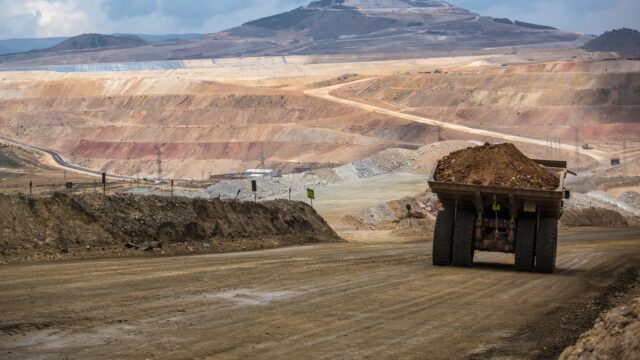
London Court to Decide if Gold-Industry Body Is Liable for Tanzanian Mine Deaths
Families of two Tanzanian miners will ask a London court whether a bullion-market body can be liable for alleged human-rights harms in a supply chain it certified.
Families of two Tanzanian miners will ask a London court whether a bullion-market body can be liable for alleged human-rights harms in a supply chain it certified.

Tanzania’s economy is growing strongly, but persistent poverty, low wages, weak productivity and limited access to quality jobs are preventing many households from benefiting from that growth.

Longer lives need care that is close, coordinated and built for older people.
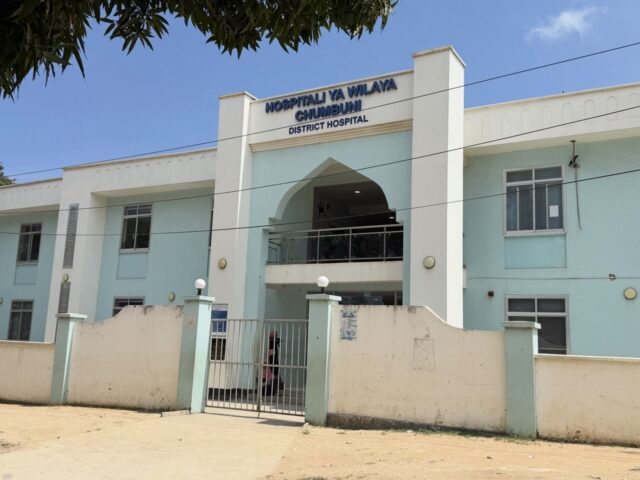
Umaskini, lishe duni pamoja na imani za kishirikana sababu zinazopelekea wengi wao kugundulika katika hali ambayo dalili zimeanza kuleta madhara.
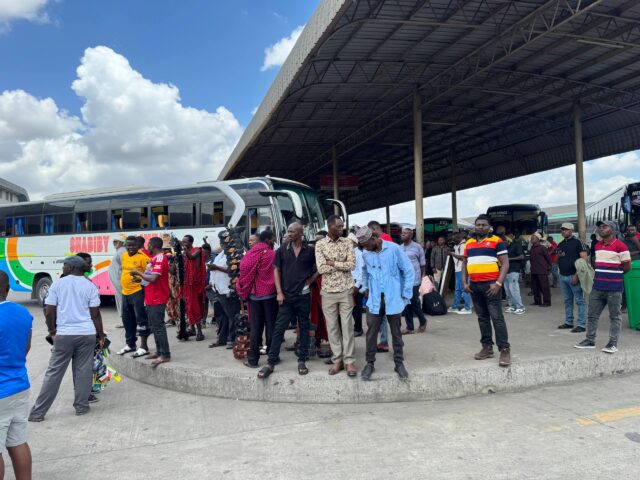
A drivers’ strike has exposed a larger problem: a system that listens only after it breaks.
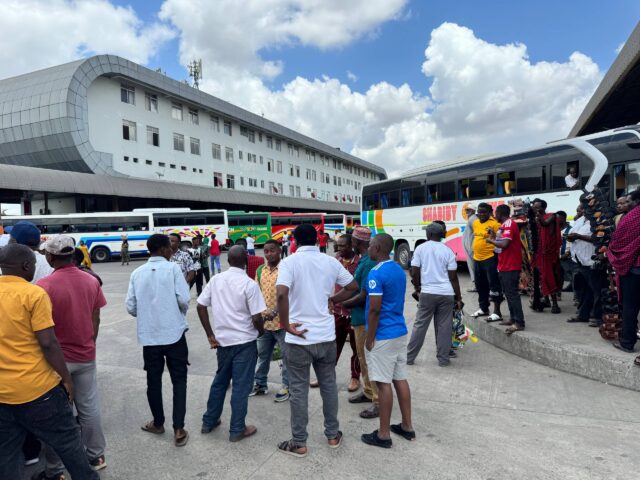
The two-day stoppage halted transport nationwide and forced a review of the 15-point licence system—yet drivers say the real dispute runs deeper.
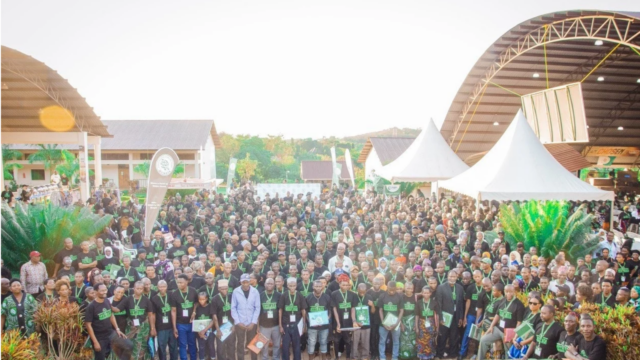
The two-day meeting brought together smallholder farmers and their representatives, government officials, development partners, diplomats and representatives of farmers’ movements from Tanzania and abroad to discuss challenges facing agricultural producers.
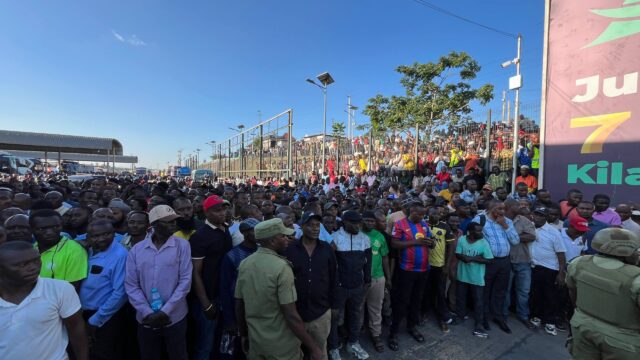
Long-distance drivers in Dodoma, Mwanza and Dar es Salaam halted trips over vehicle seizures and licence suspensions.

Vice President Deogratius Ndejembi said on Monday that Tanzania’s ambitions under Vision 2050 would depend not only on infrastructure and investment but also on its ability to equip young people with practical skills and connect them with opportunities to participate in the economy.

Mwandishi wa habari anapaswa kuwa jicho la mwananchi kule ambako hawezi kuona, ni sikio lake kule ambako hawezi kusikia, na ni daraja linalopaswa kumsaidia kulielewa taifa lake.