
Dar es Salaam — The High Court has refused an application to stop CHADEMA from using its assets and conducting political activities, in a dispute over the alleged distribution of resources between mainland Tanzania and Zanzibar.
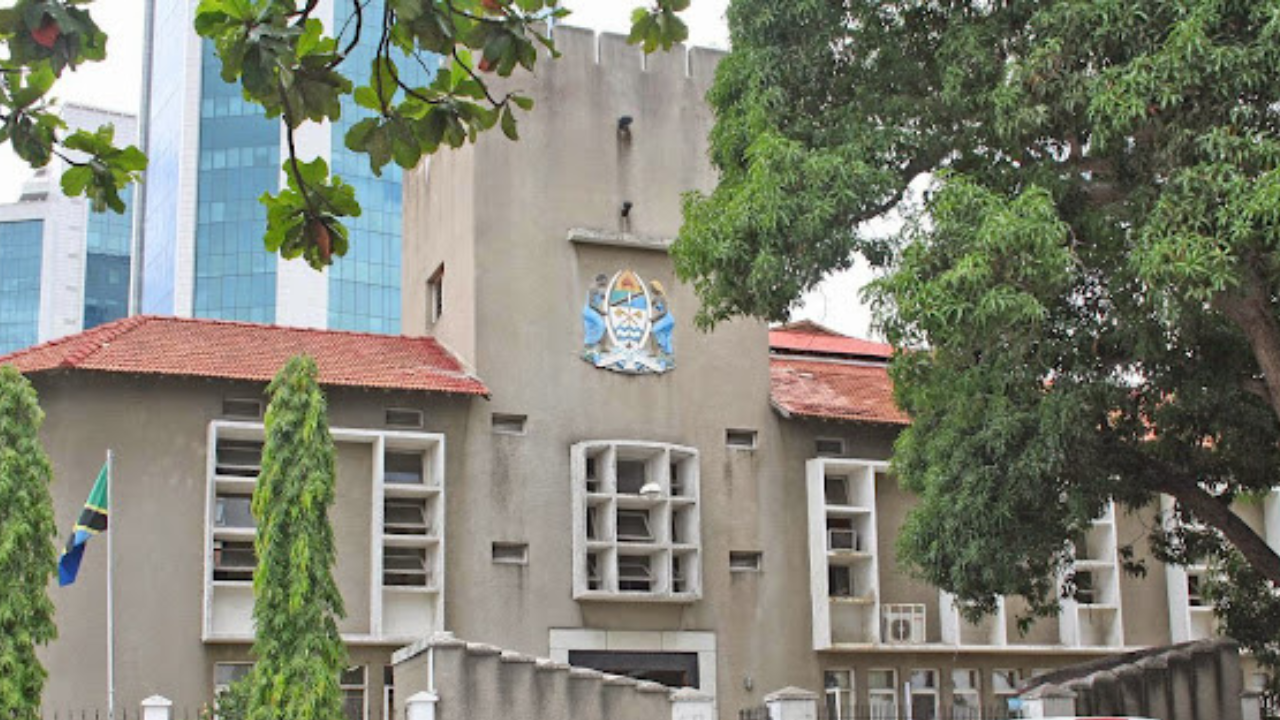
Justice A. A. Mbagwa delivered the decision on Wednesday in Miscellaneous Civil Application No. 14864 of 2026, brought by Said Issa Mohamed and Ahmed Rashid Khamis against the party’s registered trustees and secretary general. The application arises from Civil Case No. 13832 of 2026.
In a press conference after the ruling, CHADEMA Chief Legal Counsel Dr Rugemeleza Nshala said the court dismissed the request for an interim injunction after finding that the applicants had established only one of the three legal conditions for such an order.
“The judge found that they had proved one condition but failed to prove the other two,” Nshala said. He said a restraint on buildings, vehicles and other assets would disrupt CHADEMA and its members more than the applicants.
The court’s written October 22 ruling had not appeared on TanzLII by publication time. However, Nshala told journalists that the court found no sufficient basis to bar the party from political activity.
READ MORE: Tanzania’s CHADEMA Faces Second Treason Charge as Lissu Awaits Verdict
An interim injunction is a temporary order intended to preserve the position of parties before a case is finally determined. It is not a final ruling on whether the underlying allegations are true.
In August, the court rejected CHADEMA’s preliminary objections and allowed the injunction request to proceed to a full hearing. Its published summary identifies questions about restricting political participation and trustees’ management of party property.
Nshala said the court accepted that the applicants had raised an arguable issue, but did not find that they would suffer harm incapable of remedy if temporary relief were refused.
According to his account, the judge noted that a later order could address any proven unequal distribution, including through directions about party facilities or resources.
The decision therefore keeps CHADEMA operational during the litigation. It does not determine the merits of the applicants’ claims of discrimination or unequal treatment, which remain matters for the substantive case.
READ MORE: Three High Court Rulings Hand CHADEMA Limited Legal Wins
An earlier case brought by Mohamed, Khamis and the late Maulidah Anna Komu led to a June 2025 injunction that prevented CHADEMA from conducting political activities or using its assets for 309 days.
The Court of Appeal quashed that order on April 15, finding that the High Court had proceeded after CHADEMA’s lawyers withdrew and had not first settled a limitation question.
The appellate court said that failing to adjourn after counsel left had deprived the party of its right to be heard.
On May 28, a different High Court judge struck out the original resource-allocation petition, Civil Case No. 8323 of 2025, because it did not clearly state when the alleged cause of action arose.
The court held that the omission prevented the court from determining whether it had jurisdiction in light of limitation rules.
READ MORE: CHADEMA Urges IPU Chief to Visit Detained Lissu, Meet October 29 Victims
The current application is a separate proceeding, but it returns the court to the same broad question of how CHADEMA’s trustees manage party resources and whether the party’s political activities can be restrained while that question is litigated.
The decision comes during a period in which CHADEMA faces several unrelated criminal and civil cases. John Pambalu, the party’s director for organisation, training and elections, was charged with treason this week, while the High Court is due to give judgment in national chairperson Tundu Lissu’s separate treason case on November 6.
Those cases do not bear on Wednesday’s resource dispute, but they frame the importance CHADEMA has attached to avoiding another immediate interruption to its work.