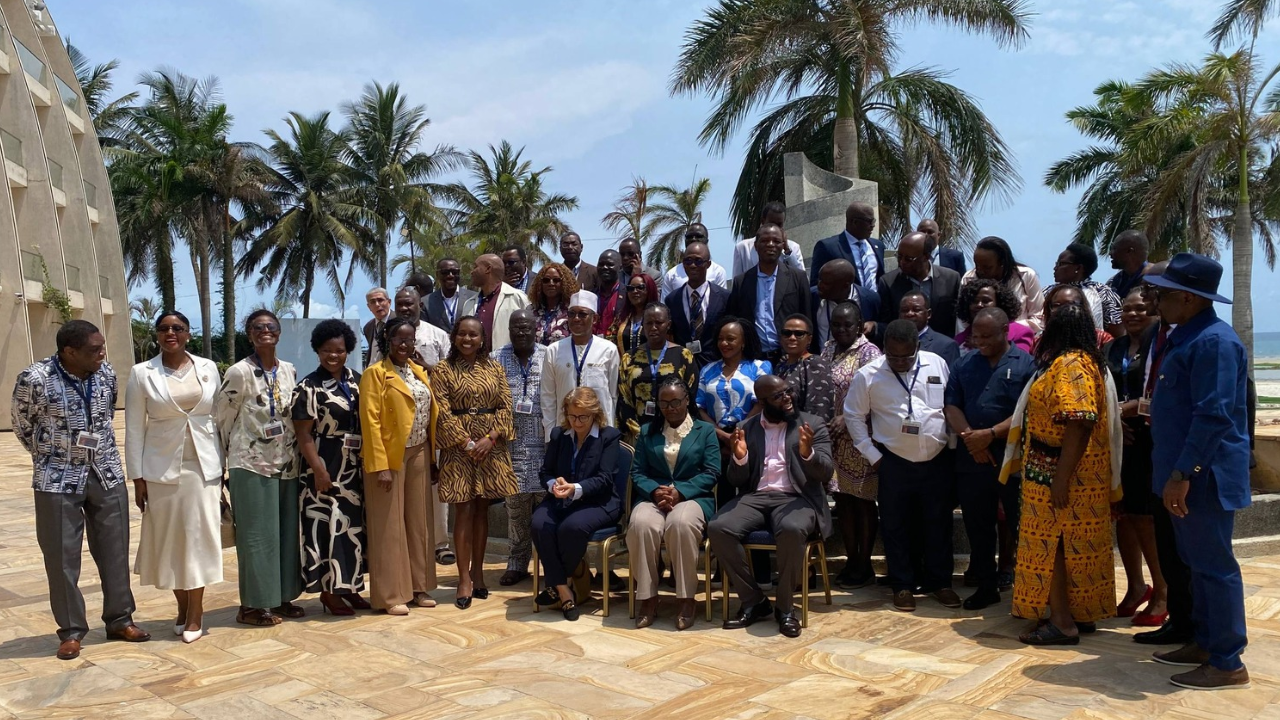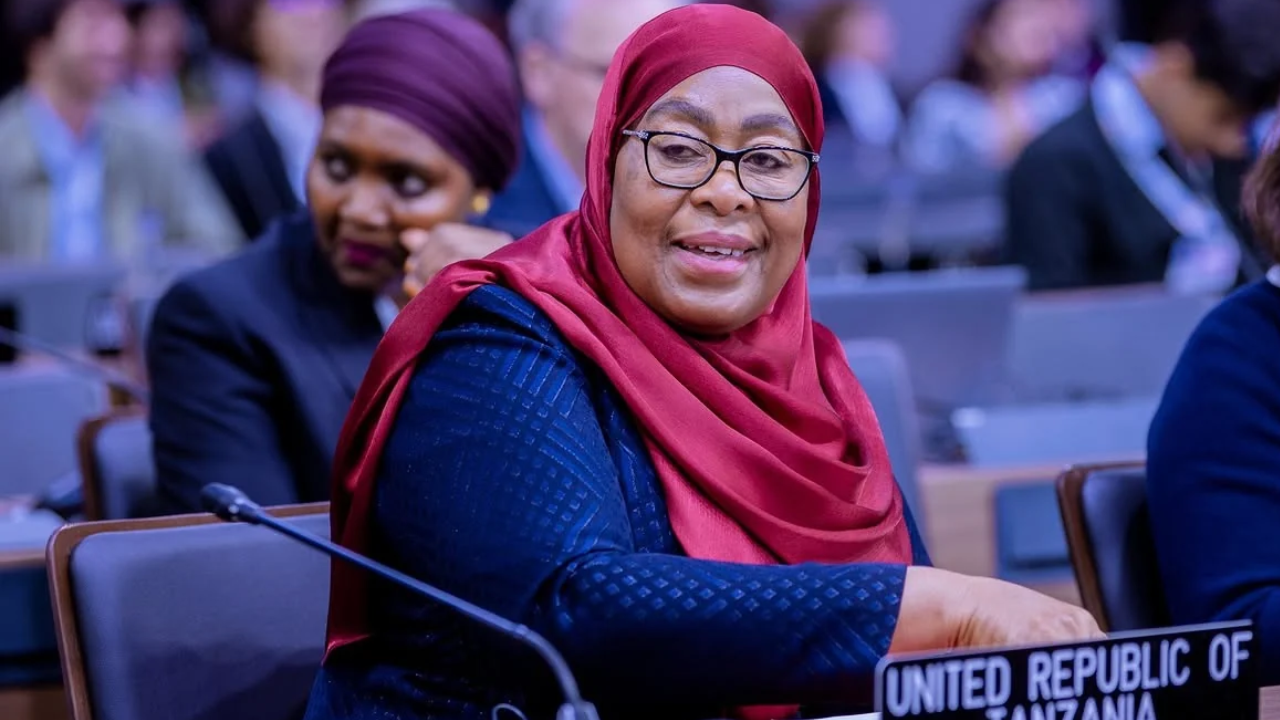

Antalya, Türkiye – President Samia Suluhu Hassan has reported an expansion in clean-cooking access and said Tanzania expects it to reach 35 per cent by the end of 2026, as leaders at COP31 urged that international pledges be measured by improvements in households’ lives.
At the November 12 roundtable in Antalya, Türkiye, speakers reviewed progress since the 2024 Paris clean-cooking summit, which mobilised US$2.2 billion in commitments. Approximately US$740 million had been deployed, they said, leaving much of the original funding still to be delivered.
“Our success must be measured not only by the resources mobilised but also by the number of families gaining access to affordable, reliable and sustainable clean cooking solutions,” President Samia said.
The discussion brought her earlier call at COP31 for accessible climate finance into the practical setting of cooking in homes and public institutions. Participants focused on financing, affordability and distribution, alongside the health and economic consequences of continued reliance on polluting fuels.
Domestic gains
President Samia said access in Tanzania had increased from 16 per cent in 2022 to 28.6 per cent in March 2024. The government expects that share to reach 35 per cent by the end of this year.
She attributed the progress to rural electrification, reduced electricity tariffs for cooking and subsidies for liquefied petroleum gas equipment. Tax incentives for clean-cooking technologies, cooperation with development partners and private investment were also supporting the transition, she said.
READ MORE: Samia Pushes Fair Carbon Returns as COP31 Confronts Finance Gap
By March 2026, the government had facilitated distribution of more than 346,000 subsidised LPG cylinders, over 49,000 induction stoves and 7,000 electric cookers, according to the president.
She separately reported that the Cook Fund programme, implemented with development partners, had enabled more than 413,000 households, comprising nearly two million people, to gain access to clean-cooking solutions.
The programme had supported hundreds of local businesses and 45 public institutions, including schools serving more than 62,000 students.
The government was also extending clean-cooking solutions to schools, hospitals and prisons, she said. She estimated that the interventions had contributed to a reduction of 3.8 million tonnes of carbon dioxide equivalent emissions.
President Samia also said renewable energy accounted for almost 61 per cent of electricity generation. That figure concerned the electricity generation mix, not the proportion of people with clean-cooking access.
She pledged to strengthen the national clean-cooking strategy through appropriate technologies, better distribution networks and greater private investment, particularly in rural and underserved communities.
READ MORE: The Behavioural Problem With Clean Energy in Tanzania — And the Nudge It Needs
“Clean cooking is not simply an energy issue, but an investment in human development, women’s empowerment, economic opportunity, and climate resilience,” she said.
Pledges and payments
International Energy Agency Executive Director Fatih Birol told the roundtable that the agency was tracking the Paris commitments to establish what had actually been disbursed.
He cited Tanzania’s fuel storage and stove procurement among the projects supported, alongside LPG infrastructure and electric cooking in Kenya, stove factories in Nigeria and stove deployment in Senegal.
President Samia said a further US$900 million had been mobilised since the inaugural summit, bringing total commitments to approximately US$3.1 billion. She distinguished that pledged funding from the approximately $740 million deployed by July 2026.
She also reported 121 new clean-cooking policies introduced by more than 30 African countries since 2024, arguing that political leadership needed financing, effective policies and partnerships to deliver results.
Birol described the remaining access gap as a major injustice, saying two billion people worldwide lacked clean cooking and four out of five African families used fuels such as wood, agricultural waste and animal waste to prepare meals.
READ MORE: Beyond Palm Oil: How a Kigoma Farmer Is Turning Palm Waste into Clean Energy and Jobs
President Samia said nearly one billion Africans still lacked access, contributing to approximately 850,000 premature deaths annually. Women and children bore much of the burden through smoke exposure and time spent collecting firewood, with consequences for education and economic participation.
Birol linked traditional cooking to deforestation and said it generated approximately 1.2 gigatonnes of greenhouse gas emissions annually. He argued that financing could help resolve a problem that had long received insufficient international attention.
Household realities
Lesotho’s deputy prime minister urged countries to consider household needs and national circumstances, rather than treat clean cooking as a uniform technological change.
In Lesotho’s mountainous terrain and harsh winters, household energy had to provide heating as well as cooking, while cost and access remained constraints.
The delegation described a 2022 pilot using energy-efficient electric pressure cookers in five schools, undertaken with the World Food Programme and the Modern Energy Cooking Services programme. It said the experience demonstrated potential reductions in cooking time, energy costs and firewood use, alongside safer kitchen conditions.
Lesotho also highlighted local manufacturing and household choice, describing programmes that let families select technologies suited to their circumstances. It called for women to participate in policy-making, entrepreneurship, manufacturing and distribution, rather than only receive equipment.
READ MORE: Tanzania’s Clean Energy Transition Gains Momentum As More Actors Intervene
“Isolated projects and pilot interventions will not be sufficient to achieve universal access,” the deputy prime minister said, calling for sustained cooperation among governments, financiers, businesses and communities.
Norway’s special envoy Hans Olav Ibrekk similarly called for programmes led by countries, supported by accessible, affordable finance and international partnerships.
“Clean cooking is climate action,” he said. “We need to move from commitments to implementation at scale.”
Nairobi next
Kenyan President William Ruto’s envoy Ali Mohamed said the next summit should bring governments, private investors and development finance institutions together to expand funding and delivery.
Citing the IEA, he said addressing Africa’s clean-cooking challenge required at least $2 billion annually.
He invited participants to Nairobi on January 27–28, 2027, for the second Summit on Clean Cooking in Africa, which Birol said he would co-chair with President Ruto.
READ MORE: A 22-Year-Old from Kigoma Details How He Built a Business Turning Palm Oil Waste into Clean Fuel
“It’s important, as everybody has said here, that we move beyond the political commitments to concrete investment and stronger partnerships and measurable progress,” Mohamed said.
Birol said his team was working to secure further commitments for Nairobi, while continuing to track delivery of the money promised in Paris.