‘Yes-Men’ Culture and Systematic Exclusion Drive Youth Alienation from Formal Politics
Using young people as political pawns rather than genuine partners pushes them toward dangerous, unregulated channels of expression, warn stakeholders.

Using young people as political pawns rather than genuine partners pushes them toward dangerous, unregulated channels of expression, warn stakeholders.

The IMF has approved a US$443.9 million disbursement to Tanzania after reviews of its economic reform program, while urging faster implementation of reforms amid global risks.

Panel discussion at Tanzania Democracy Forum highlights how resource conflicts, marginalisation, and restricted civic space create conditions for radicalisation.

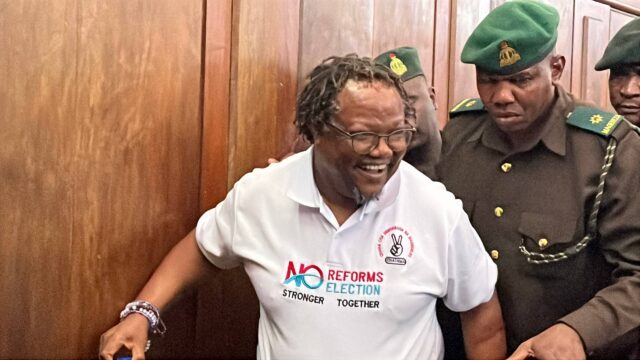
Analysts view the Saba Saba call as another sign of the need for political reforms to address ongoing challenges, including demands for accountability over the October 2025 election crisis.

President Samia’s remarks linking some activists’ actions to terrorism have sparked debate among civil society, opposition figures, and democracy stakeholders over the role of activism in Tanzania’s civic space.

Bishop Bagonza warns that systemic barriers are locking Tanzanian youth out of political power and economic opportunity, demanding an urgent overhaul of civic education and political culture to break the cycle.

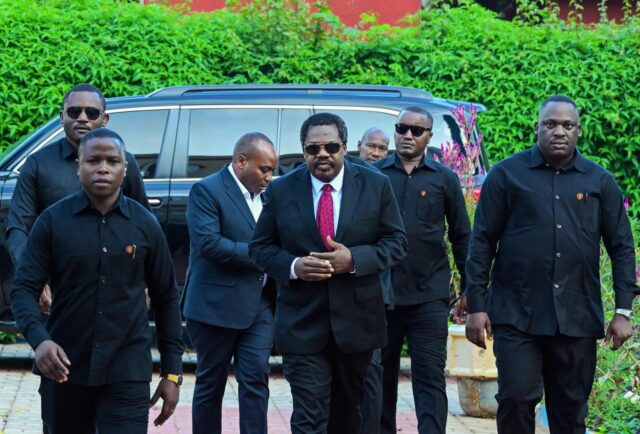
Tanzanian police warn that protesters plotting the July 7 Saba Saba demonstration intend to assassinate leaders and security officials to steal weapons, as a security crackdown sees dozens arrested

Sheikh Mwaipopo’s move to announce a militia is fueling fears of state-tolerated impunity

Tanzanian army has warned against disruption of peace as there is a social media call for a protest on July 07

Official port statistics show that cargo destined for or originating from the DRC through the Port of Dar es Salaam and Tanga increased from 4,180,902 tonnes in 2024 to 7,239,741 tonnes in 2025, representing a 73.2 percent increase.