
Tanzanian Bolt Drivers March to Company Offices Protesting Charges and Customer Discounts
Drivers called for the practice of offering discounts to customers to be reduced, citing disruption of business

Drivers called for the practice of offering discounts to customers to be reduced, citing disruption of business

Leaders emphasise the vital role of a strong, independent judiciary for national development and call for reconciliation and accountability following the recent general election.

The ruling sends a clear message that government officials cannot act outside the law, even when purporting to act in their official capacity.

While a record number of students passed the Form Four exams in Tanzania, concerns remain about the quality of education due to persistent weaknesses in key subjects like mathematics and biology.

Facing high unemployment and bureaucratic hurdles, young Tanzanians debate whether success is possible through legal means—or if illicit paths are the only way forward.

The Chanzo Morning Briefing Tanzania News —February 02, 2026
In our briefing today: Debate Ensued Over Reports of Tanzania’s Gold Reserves Sale Plans Amid Aid Cuts and Election Fallout;
Uber Exits Tanzania Amidst Regulatory Squeeze and Fierce Competition;
1958 Geita Protests: One of the Sparks That Led to Tanganyika’s Independence;
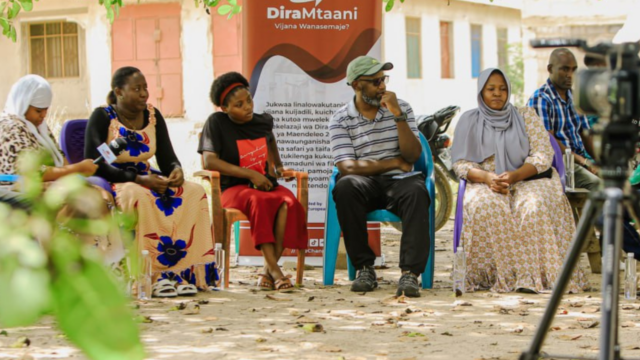
Dira Mtaani: Tanzania’s Youth at a Crossroads—Legitimate Hustle or Illicit Shortcut?
Form Four Exam Results Show Continued Improvement Amidst Stubborn Challenges.

Tanzania is planning to sell a portion of its US$1.3 billion gold reserves to finance infrastructure, following the suspension of development aid due to a violent post-election crackdown.

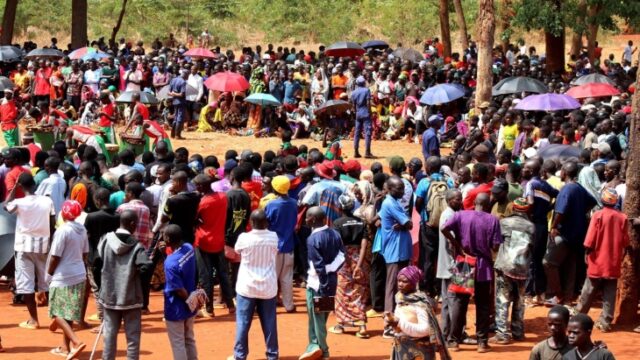
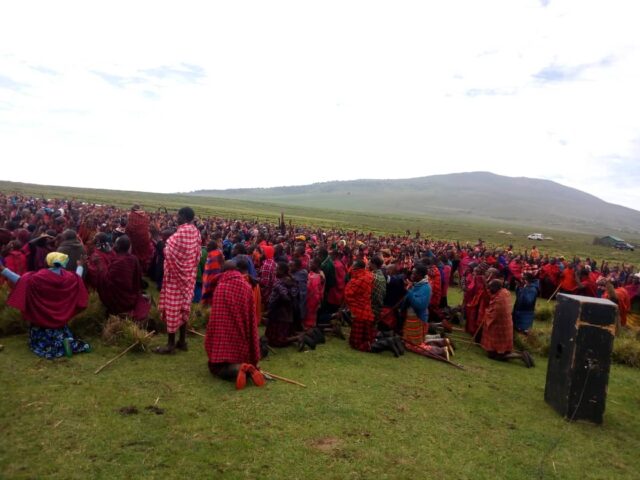
Between 6000 and 10,000 Geita residents marched from Geita to Nyamagana Mwanza, and camped at the Nyamagana ground for five days between July 21, 1958, and July 25, 1958

The ride-hailing giant has ceased operations in the East African nation, citing an unworkable regulatory environment and the dominance of a key rival.

Ruling party MPs have appealed a court decision that allowed the opposition to challenge the allocation of special parliamentary seats, escalating a key electoral case in Tanzania.