
Dar es Salaam – Young Tanzanians are questioning whether they can achieve success through legitimate work, as they grapple with a struggling economy, limited government support, and the allure of quick, illicit gains. A recent youth talk dubbed Dira Mtaani in Dar es Salaam has brought these pressing concerns to the forefront.
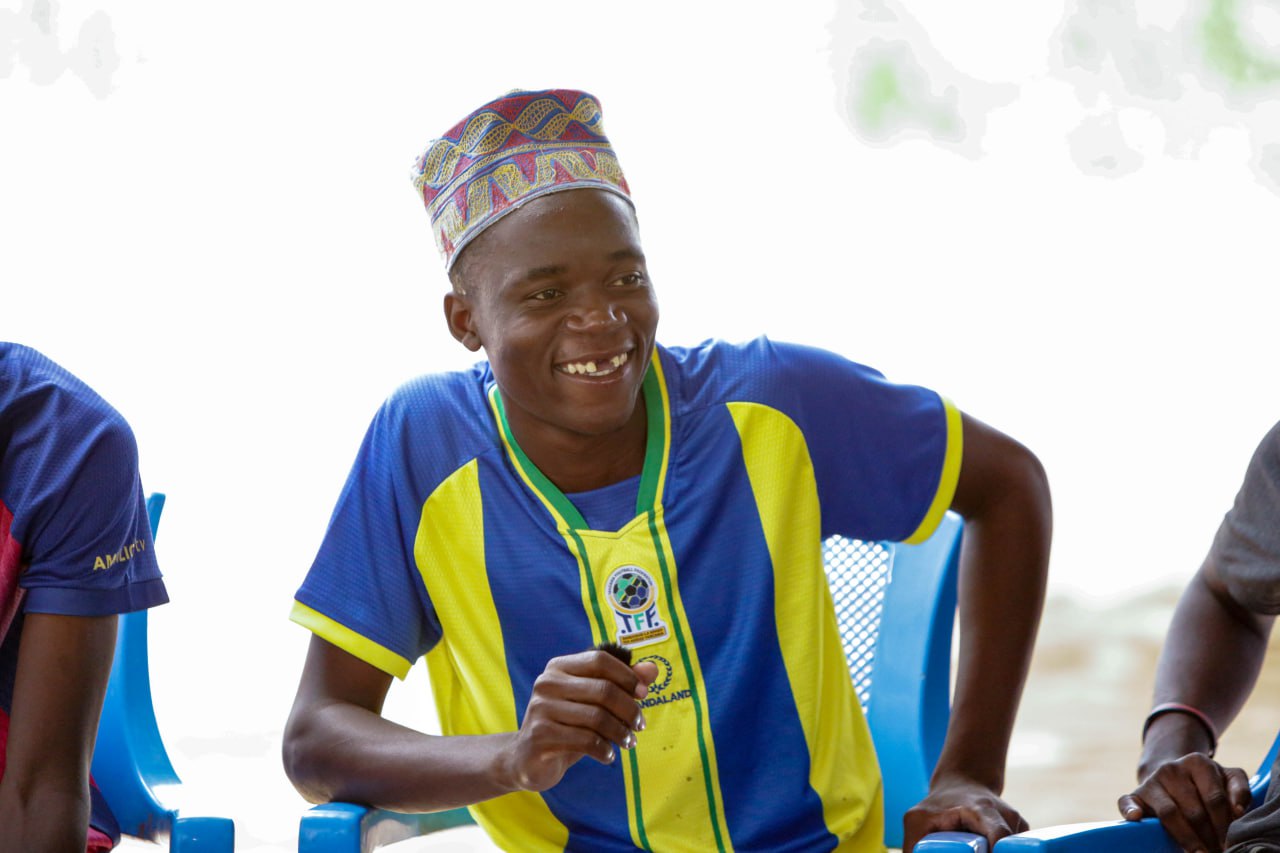
In a candid and often raw discussion held in a suburb of Dar es Salaam on January 24, 2026, a group of young Tanzanians voiced their frustrations and aspirations, painting a vivid picture of the economic and social challenges they face.
The talk, the first in a series organised by The Chanzo and sponsored by the European Union Delegation in Tanzania, centred around discussions focusing on the newly launched Tanzania’s Vision 2050.
The conversation, which took place in the Zingiziwa ward of Chanika, revealed a deep-seated scepticism among the youth about the viability of traditional paths to success.
Many expressed a sense of disillusionment with the government’s ability to provide opportunities and support, leading them to consider informal and sometimes illicit activities as their only means of survival and advancement.
READ MORE: Agribusiness in Tanzania: A Solution to Youth Unemployment
This sentiment is particularly poignant as the nation looks towards its ambitious Tanzania Development Vision 2050, which aims to transform the country into an upper-middle-income economy with a GDP of US$1 trillion and a per capita income of US$7,000 USD.
The stark reality for many young Tanzanians is a far cry from this vision. With 26 per cent of youth aged 18-35 unemployed and actively seeking work, and the informal sector accounting for 84 per cent of employment, the pressure to find alternative income sources is immense.
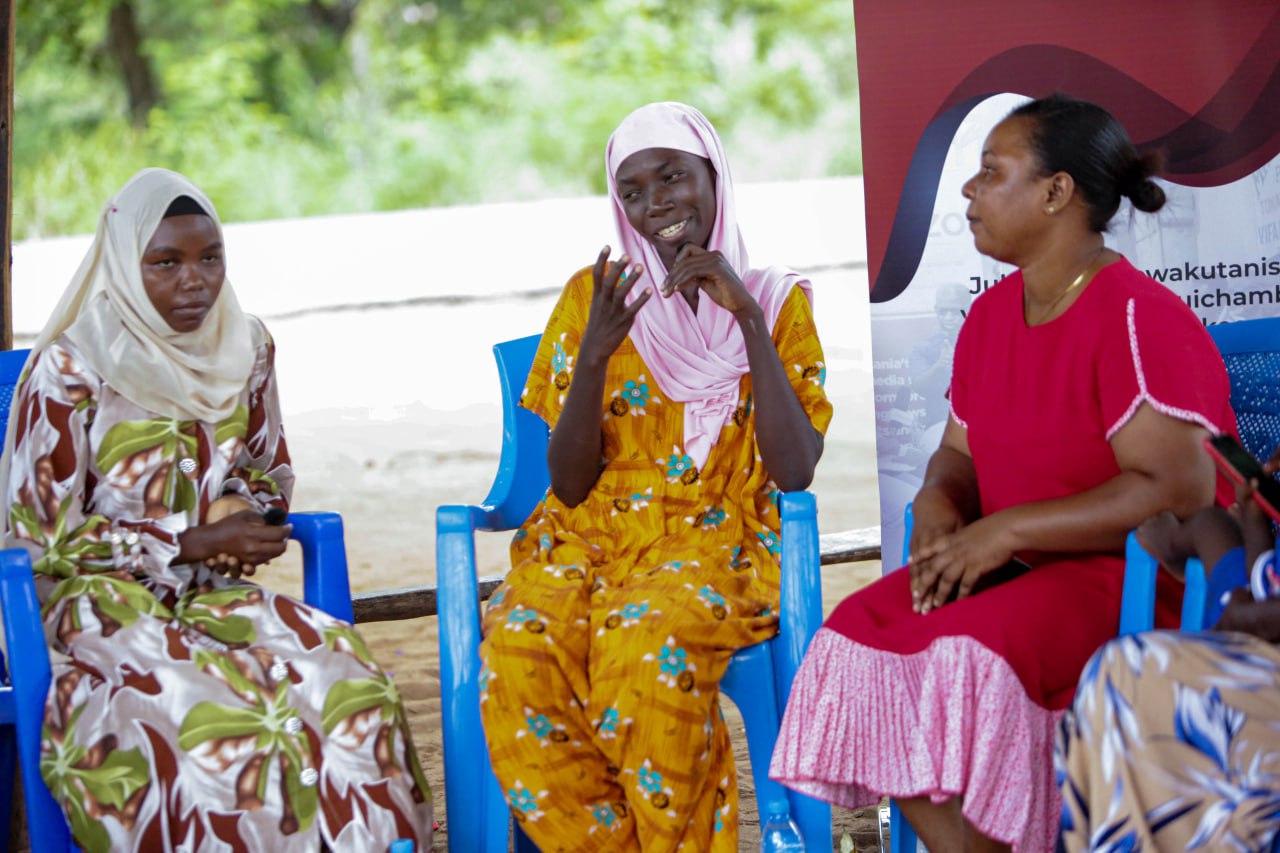
The youth at the talk spoke of a pervasive belief that “quick money” from illicit activities is more attainable than the slow and arduous process of building a legitimate career.
One participant, Ibrahim Piku Saidi, captured this sentiment, stating, “If you want to make legitimate money now, you will suffer a lot. You can live for 20 years and only get legitimate money when you are 60 years old, and then you die.”
Government support
The discussion also highlighted the significant challenges youth face in accessing government support. The 10 per cent loan fund, a government initiative designed to empower women, youth, and people with disabilities, was a key point of contention.
READ MORE: Tanzania’s October 29 Unrest: A Crisis of Youth or a Story of Sabotage?
While the fund disbursed Sh43.94 billion to women and youth in 2023, many at the talk were either unaware of its existence or had been discouraged by bureaucratic hurdles and alleged corruption.
Juma Majid Juma, who had attempted to access the fund, described a frustrating process of being sent back and forth, ultimately being told to wait for an inspection that never happened. He also mentioned the widespread belief that favouritism and connections are necessary to secure these loans.
This lack of faith in government institutions was a recurring theme. Participants spoke of a disconnect between the government and the people it is meant to serve, with local government officials often being inaccessible and unresponsive.
The low attendance at local government meetings was cited as evidence of this disconnect, with many feeling that their voices are not heard and that these meetings yield no tangible results.
This sentiment is further compounded by a lack of awareness about government programmes and policies, as exemplified by the fact that many of the young women at the talk had never heard of the 10 per cent loan fund.
Means of survival
The allure of the informal and illicit economy was another major topic of discussion. The youth spoke of the prevalence of “madawa ya kulevya” (drugs) and other illegal activities as a means of survival.
READ MORE: Banks or Not – Which Way 10pc Local Govt Loans?
The pressure to engage in these activities is particularly high for young women, who often face additional barriers to formal employment. One young woman at the talk spoke of the difficult choice girls face between selling their bodies and struggling to make a living through legitimate means.
Despite the bleak picture painted by the discussion, there were also glimmers of hope and resilience. Many of the youth expressed a strong desire to succeed through hard work and determination, confirming studies showing that 66 per cent of young Tanzanians aspire to start their own businesses.
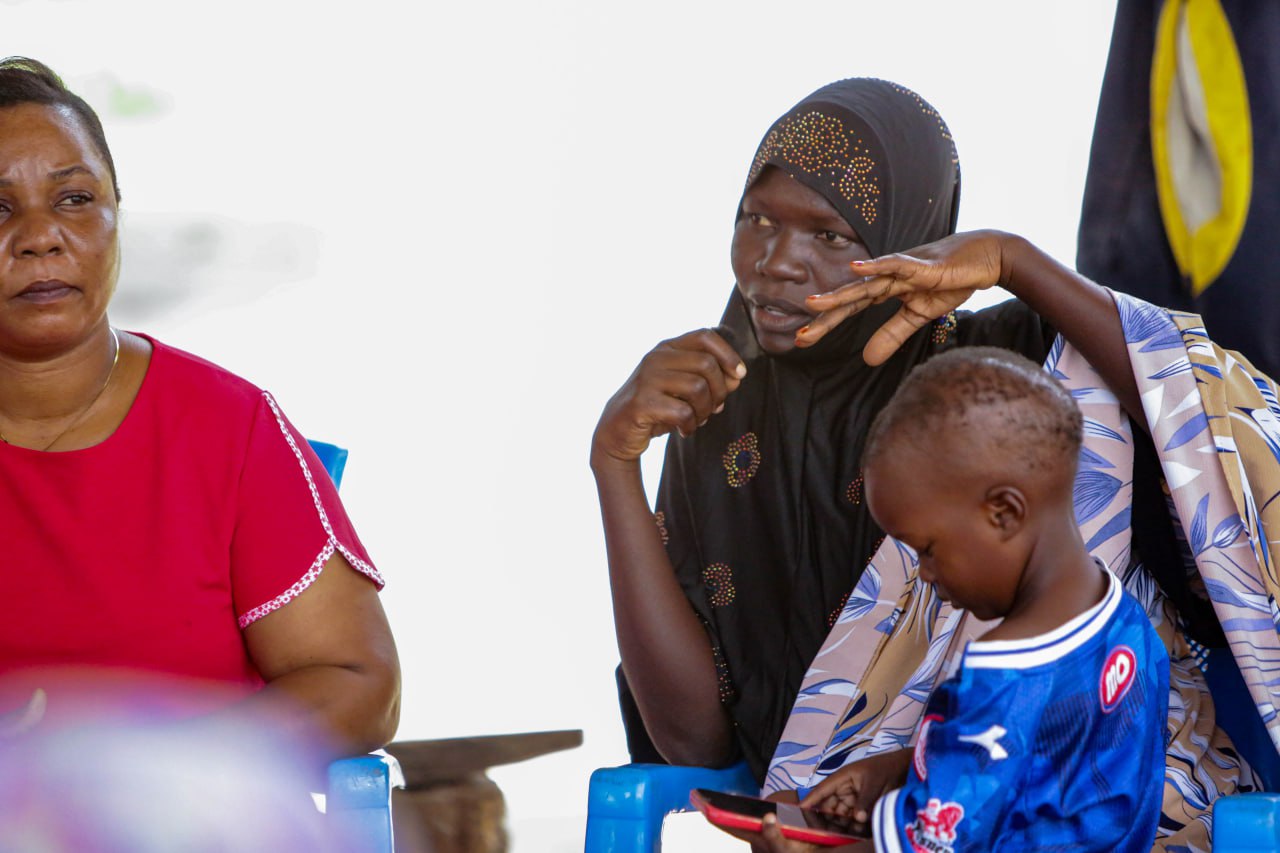
They spoke of the importance of “subira” (patience) and “uadilifu” (integrity), and shared stories of individuals who had achieved success through legitimate means. However, they also acknowledged that these success stories are the exception rather than the rule, and that the path to legitimate success is fraught with challenges.
Dira Mtaani
The youth talk in Chanika is part of a broader initiative called Dira Mtaani: Vijana Wanasemaje (Vision on the Streets: What Are the Youth Saying?), a youth-led platform designed to explore, debate, and shape Tanzania’s Development Vision 2050.
The initiative aims to connect young people to the nation’s future by fostering a culture of critical thinking and actionable dialogue. The Chanika talk was the first of four planned community-level discussions.
Three additional talks are scheduled to take place in the coming weeks across the Dar es Salaam and Pwani regions. These include sessions in Kibaha and Vikindu in the Pwani region, as well as another in Mbagala, Dar es Salaam.
Each discussion will follow the same format, bringing together young people from underserved communities to voice their perspectives on the Development Vision 2050 and to contribute their ideas to the nation’s development agenda.