
Made in Tanzania? Why China’s Zero Tariffs Won’t Change the Economy
Zero-per cent tariffs offer access, but they do not transform economies nor create development—production does.
Zero-per cent tariffs offer access, but they do not transform economies nor create development—production does.
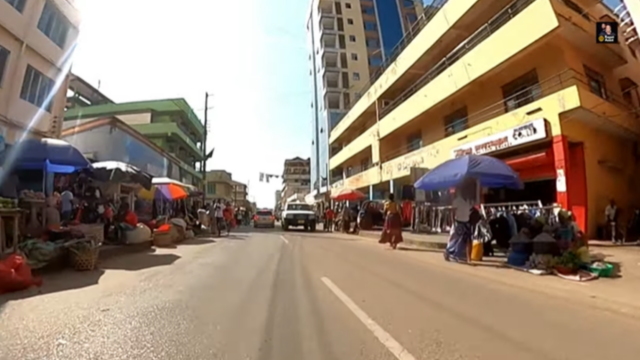
Streets built for movement are turning into informal markets and private parking—costing lives, fueling congestion, and eroding public trust.

The Songo Songo gas field passes to local-led buyers, but even Taifa’s chairman calls for “clearer frameworks”—a quiet nod to the doubts that drove Orca away.

In a strongly worded statement delivered on Friday, April 10, 2026, the party accused the government of undermining democracy and manipulating the electoral process, warning that the country’s political future is at risk.

An open letter to the Commissioner of Insurance details a harrowing accident and the subsequent bureaucratic nightmare with Sanlam Allianz.

The envoy is expected to meet a broad spectrum of stakeholders, including government officials, civil society representatives, and political parties.

Land transport operators warn of service suspensions if regulators reject their demand for emergency fare hikes and relief amid surging fuel costs.
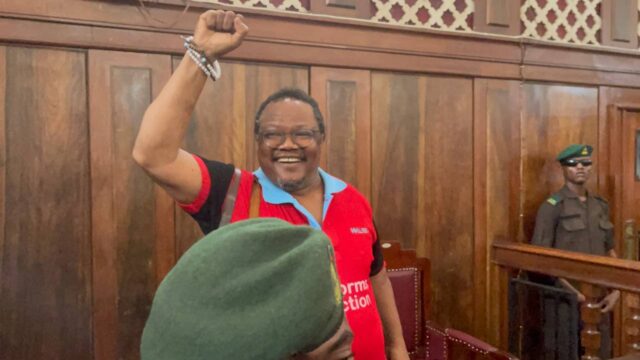
One year after the arrest of opposition leader Tundu Lissu, Tanzania faces a critical test of its democratic commitments and the rule of law.

CHADEMA calls for a 90-day emergency fuel subsidy and removal of 18 taxes, blaming Tanzania’s fuel crisis on both domestic policy and the Middle East conflict.

As bizarre rumours of magical theft spread across Tanzania, the underlying cause may be rooted in severe economic pressure rather than mere superstition.