Tanzania’s Year of Reckoning: The Unlawful Detention of Tundu Lissu
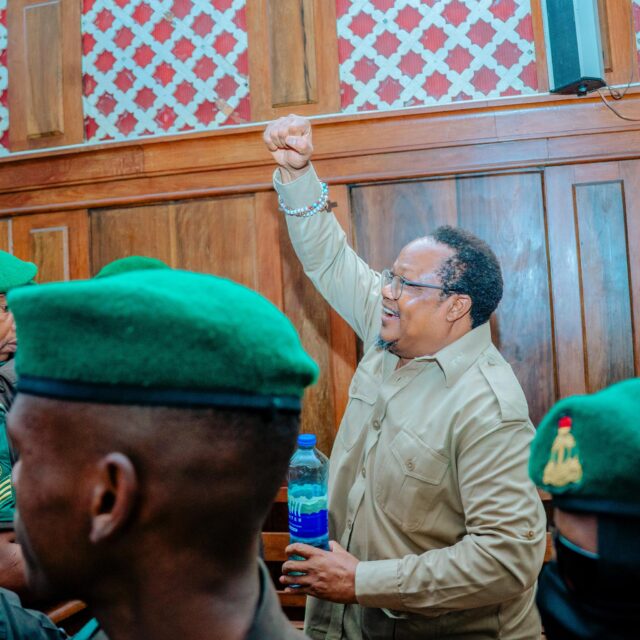
One year after the arrest of opposition leader Tundu Lissu, Tanzania faces a critical test of its democratic commitments and the rule of law.

One year after the arrest of opposition leader Tundu Lissu, Tanzania faces a critical test of its democratic commitments and the rule of law.

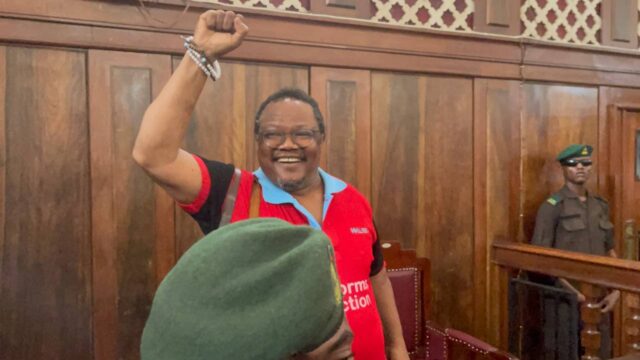
The United Nations Human Rights Council Working Group on Arbitrary Detention (UNWGAD) has found that the detention of Tanzanian opposition leader Tundu Antiphas Mughwai Lissu is arbitrary under international law.

Tanzania’s opposition leader accuses the prosecution of attempting to introduce new evidence illegally, warning that it would expose a history of state violence.

The opposition leader will be included in a case concerning the management of his party’s assets, a court in Dar es Salaam has indicated.

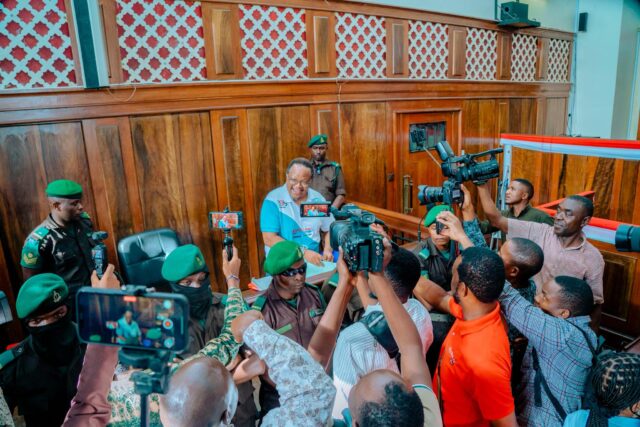
Court orders modification to the witness booth in Tundu Lissu’s treason trial but dismisses other objections, allowing the case to proceed.

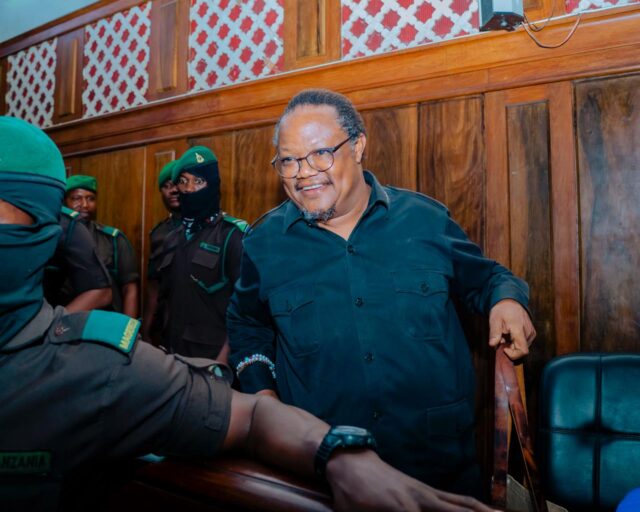
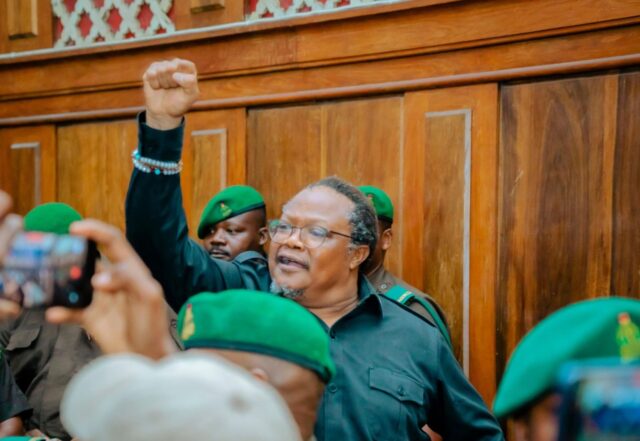
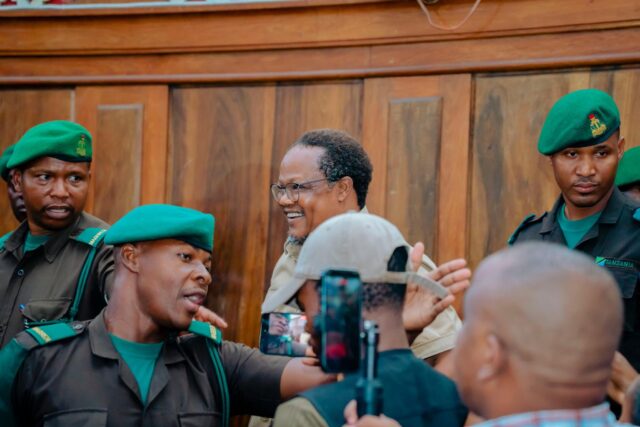
Lissu’s treason trial resumes amid a contentious legal clash over the prosecution’s secret witness, which he decries as a mockery of justice.

Lissu argues that the state’s use of a fully concealed witness violates the core principles of a fair trial, as it prevents effective cross-examination and judicial assessment of the accuser’s credibility.

The adjournment follows a turbulent period for the East African nation, which has been gripped by widespread protests and an internet shutdown in the wake of the controversial October 29 general election.

Friday’s adjournment ensures that Lissu will remain in remand prison throughout Tanzania’s election on October 29, a fact he explicitly framed as the central objective of the state’s legal strategy.

With its evidence in tatters, the state faces a monumental task to revive its case, with many observers questioning whether the treason charge can legally proceed.