
Below is the transcript of the first episode of the new program Kivulini Talks, where we invite various stakeholders and contributors to discuss pressing issues in Tanzania and Africa in general. The first episode of the program is titled “Tanzania After October 29—Where Do We Go From Here?”
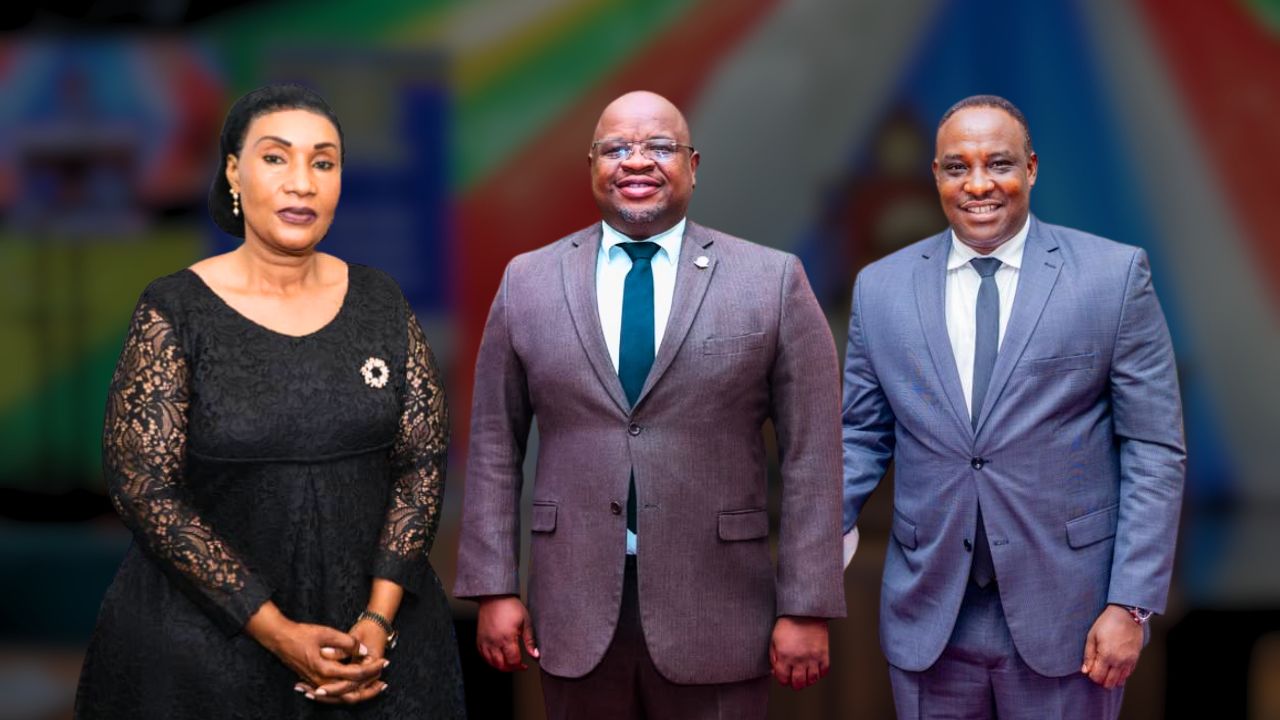
The program was moderated by The Chanzo’s Khalifa Said and featured four panelists and five contributors. The main panelists included: Ms. Fortunata Kitokesya, a lawyer, analyst, and writer; Aida Kiangi, a renowned executive who has served in various roles in the private sector; Dr. Muhidin Shangwe, Lecturer of African International Relations, Department of Political Science and Public Administration, University of Dar es Salaam and Tony Alfred K, Managing Editor of The Chanzo. You can watch the full episode below or continue to read here.
Khalifa Said (Moderator): I wanted to begin my question directly to the four of you and each of you will contribute to this question we should start from where we are now; it is January 2026 and many things have happened since October 29. I wanted to ask for your assessment of how s a country have responded or are responding to what happened on October 29 in your view, how satisfactory is it or how unsatisfactory is it.
Fortunata Kitokesya: Thank you very much Khalifa, that is a very good question. You said we should start from where we are now in January when we look at the events that happened from October 29 during the general election in Tanzania, where we saw many issues emerging starting with the election itself and the appearance of lack of legitimacy based on information received from various observers, for example SADC and AU.
But secondly, even when you speak with ordinary citizens they will tell you how the situation at the polling stations was. The low turnout of voters tells you many things about why we reached to that point. But ask yourself why those events of October 29 did not just appear abruptly, rather they were the result of perhaps certain systems we have had for a long time which led to the situation of the 29th and the killings of people after election.
When you look at why during that election others said they would not participate in the election, some participated to see what would happen, but what happened was not good at all. So in order for us to know, in order to assess this situation, we must also look back at what factors led us to reach the unrest we experienced on the 29th.
When you look from the time this new administration came into power or the past one, there were many legal changes that led to changes in laws such as political parties laws, NGOs, the Media Act, and others which resulted in a serious shrinking of people’s rights to practice their legal freedoms, their political freedoms, freedom of association and assembly.
So, you see when the new government came in there were hopes that there would be change, hopes that change would come. Those changes were somehow introduced but only superficially, like topping on ice cream, but underneath the ice cream had no flavor. Some things were slightly changed in the election laws, but they did not truly address the wounds that had occurred from 2016 to 2020, because in every period people were badly hurt, people were seriously injured during that period from 2016 to 2019.
Then we entered 2021 with the new administration. We expected very much. I even think I wrote an article about it. I had very high expectations that a special commission would be formed to address the injustices that had happened, to listen to people’s views, the pain people carried in their hearts. We saw some light, but that light disappeared starting in 2023.
We started to see things going in a completely different direction, so the pain continued to be carried by people and the changes that had been promised in truth did not bring much hope in showing that there is political will to bring about change, especially in our elections as Tanzanians.
And we began to see it in the local government elections where truly someone made a comment and said, ah this is just like North Korea, 99 percent, one party has won.
Then we moved into 2024 and in early 2025 many things emerged. A leader of the opposition party CHADEMA was arrested and was imprisoned on charges of treason.
So all these things are what led us to reach that point. The 29th turned out the way it did and caused everything that happened, the killings.
But in my assessment, regarding the response in particular, somehow it has been harsh. There is harshness in the sense that the response does not show true political intention or political will that we want to heal the wounds that occurred.
Many statements have been made by leaders saying that knowing the number of people who died, how will that help you? But that itself is part of the healing process because a person who has lost a relative, just hearing that the government has said maybe there were people who we conducted an investigation, several people lost their lives, and that maybe we will do something for compensation or we will establish some procedure, that is one process that ushers in the healing of the nation after those killings.
So that healing part, when I assess it, I do not really see it. It is not reaching the citizens. It is not reaching political parties because you also cannot say we are in a healing process while there are people who are very angry. Their party leader is in prison and remains there to this day on treason charges which if you examine closely, legally you… you find weaknesses.
Kalifa Said (Moderator): Yeah, we can stop briefly here because we will come back. Shangwe, when you look at what has happened on October 29 and how as a nation we are responding, how do you read the situation?
“So that healing part, when I assess it, I do not really see it. It is not reaching the citizens. It is not reaching political parties because you also cannot say we are in a healing process while there are people who are very angry. Their party leader is in prison.”
Dr. Muhdin Shangwe: Thank you Khalifa. I think there are two things, and as you gave your introduction you explained that; the way I see it now is that the country is waiting to see what the government will do. And as you explained, this is not only a government issue because the government, as the government itself has said, there is a commission investigating, right?
So as far as the government is concerned, they are waiting for the Commission’s report in order to take action and then follow other procedures. But we, people from other groups who are not part of government, have not been stopped from contributing to that healing, right?
As we continue to wait for that report, I think we have responsibilities in our different sectors. You are people of the media. There are things you are doing to help the national debate and healing. There are people from various groups. I come from the academic community. I think we have a big contribution which honestly we have not yet fully given.
Unfortunately, academic work takes time. If you are writing an article until it is peer-reviewed, you may write today and it gets published two years later. But there is a need for public intellectualism that tries to respond to what is happening here in real time and provide academic perspectives.
So I think from the tragedy that happened until today we have had a strong attitude of waiting to see what the government will do. But I want to say that we all have a responsibility. I am in political science. What am I doing to help people understand what is happening and to give my contribution? That is why I write articles. Maybe that is why I came here to The Chanzo.
We cannot just sit back and wait because this argument has also been used to silence debates, saying, wait, the government has formed a Commission, let us wait for its answers. We cannot wait. And as far as I understand, there has been no statement telling people not to discuss this issue until the report comes outright.So that is why I congratulate you for inviting us here to try to contribute.
So in general, after those events there are things I expected. Honestly, I have not seen them being done or addressed. In English they say after what happened on October 29 there is a phrase they use, “heads will roll.” In Swahili that means people will be held accountable. Some will resign, some will be fired. Immediately, there is no need to wait three months for a report. For example, if I were in a sensitive position of making national decisions, I would feel bad myself. And from what I saw, I would not need to wait for the Commission’s report to know if I am guilty or not.
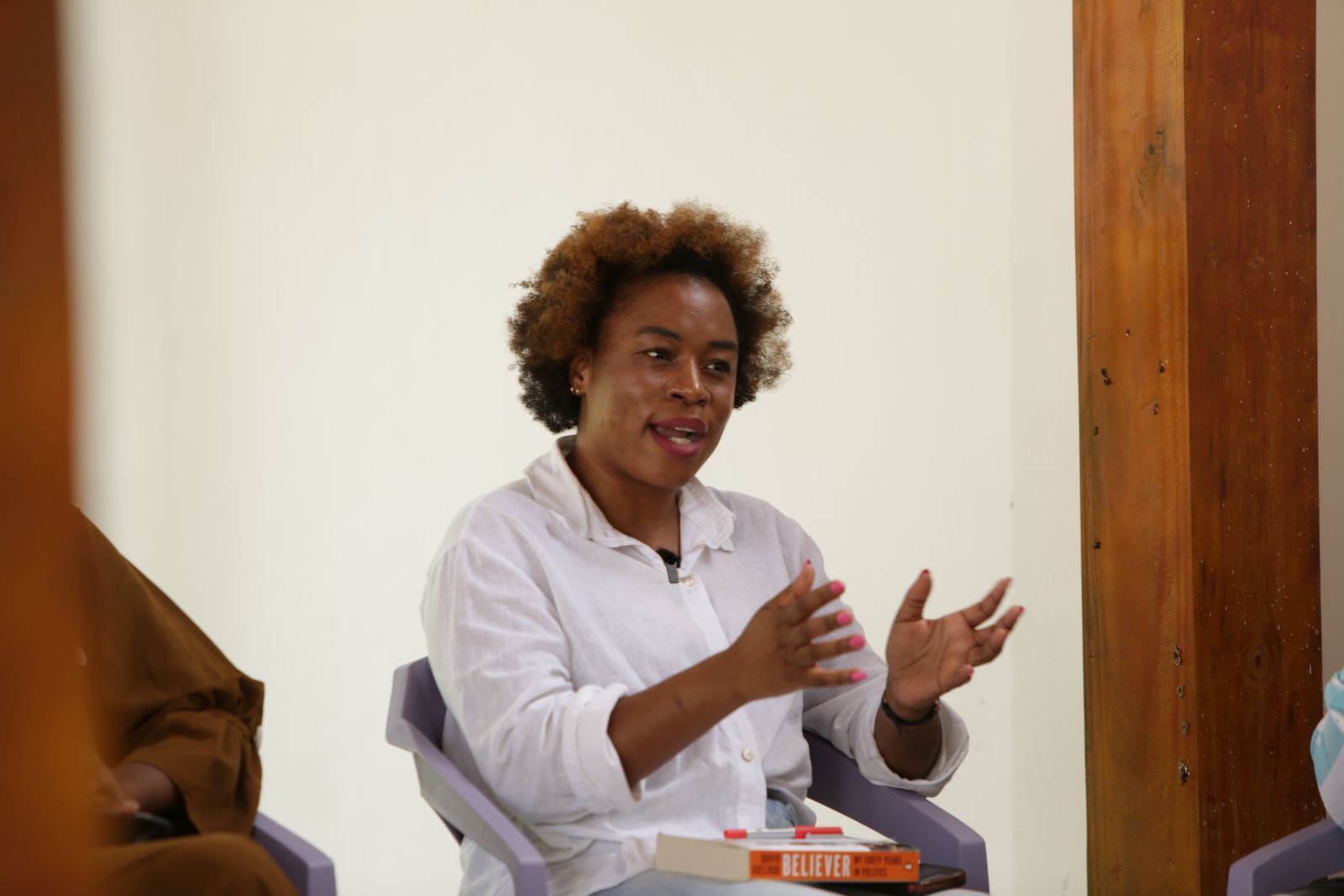
So there are things I expected to see even before the Commission was formed. The Commission was announced on November 20, if I am not mistaken, three weeks after those events. There are things I expected to see. Unfortunately, I did not see them, and that now gives me concern about the legitimacy and intent of the Commission.
Because on the government side, even though we are told to wait for the report, government leaders themselves have not waited for the report to give their opinions about what happened. Many statements have come from government, from top officials, speaking in ways that you could say, ah, didn’t you form a commission so we wait?
So as Fortunata also said, the legitimacy and intent of the Commission are in question. Okay, okay. Thank you very much, Shangwe.
Khalifa Said (Moderator): Sister Aida, from your perspective, the way we are responding as a country to those events, is it enough? Is this how it should be done? Is it sufficient? Are you satisfied with how we respond to this situation?
Aida Kiangi: Thank you Khalifa. No, I think I would like to touch on this at the level of society or the individual. We have not addressed the issue of trauma. Right now all Tanzanians, whether you are a leader or a child, we are walking around with deep wounds.
And if we continue to suppress them and people cannot even talk at the family level, we tell ourselves it is over, you know, as if it was like a funeral where you are told stop crying now, you will get tired. You cannot ignored the fact that you heard explosions. You cannot forget that you saw people dying or being injured. And if we do not talk about it at that granular level, this will continue to eat away at us. We will have problems inside our homes. In offices we are already starting to see anger. People are angry even after coming back from December holidays. They return even more angry because they have no place to talk.
So families are starting to be affected deeply. That means society is also affected. It will enter into our social systems and it will go all the way up. And if you keep pushing away that anger and pain, it will explode. And when it explodes, it will be different from what we have seen before. You might say it is the youth, but now we know it is adults. A seventy-six-year-old person was at home, not outside. Okay. No one allowed him to talk about what he went through.
You know, it’s not that we live in a war zone, no. Even in Gaza, people are given condolences. We were not given condolences. And the problem is we have not been heard for a long time, not only since October 29. It has been a long time. We are told to shut up, shut up, shut up. In the end, no one will benefit. And the problem is, by doing this, you grow a society of not just anger but violence.
“And the problem is we have not been heard for a long time, not only since October 29. It has been a long time. We are told to shut up, shut up, shut up.”
When we look at places like South Africa, even with their TRC (Truth and Reconciliation), if you go into the townships that generational anger and violence exist. And we have started to grow it, to nurture it, to water it well with fertilizer.If we don’t stop this, this thing will come to destroy us all. I think I am done. Thank you very much.
Khalifa Said: Tony, you are an Editorat The Chanzo, you follow these issues closely [at The Chanzo] you report and analyze news. How do you analyze the country’s response following the events of October 29
Tony Alfred K: I think there are those who say there are seven stages of grief. There are several stages of sorrow. We are at the stage of denial, denying the truth. And the truth we have is like a nightmare that the more you deny it, the more alive it becomes. Now we don’t know how it will emerge, but we must reach a point of accepting the truth that what happened is very serious and its gravity has never existed in our country. Maybe since independence we have never had an event this serious since independence.
So that is the first thing, that we are still in denial. And various people, especially those with authority, authority at social levels, you see that some religious leaders are trying to show that this issue is as if it did not exist, it did not happen. Some people you see in the media, senior editors, trying to present it as if it never happened.
But if you compare, for example, with the killings of 2001 where about 35 people, others say up to 72, were killed in Zanzibar, all newspapers at that time put it on the front page. It was news discussed for three weeks. Mzee Jenerali Ulimwengu had a special evening program, a special program about those killings, and it was a very serious program.
So these issues, and I say as a society of adults, you know, we adults have a responsibility because children are now looking at us as adults. We have a responsibility on behalf of our society, when we say society, the coming society of adults. We have not taken responsibility.
But when you look at the government side, it is making a very big effort to make that this is something that can be forgotten, and that is a big mistake. It is a mistake because as human beings we have the power to seek solutions. We have the power to seek the outcomes we need, and it begins with accountability, accepting to give condolences, to be human.
I think we have forgotten to be human, to be human. A house that has death, you go there and cry, you go there and help, you must show that this house has death. Sometimes you help them with chores. Now we have not shown that humanity, which is a very big part of what used to be a great value of our nation.
Khalifa Said (Moderator): Let us stop there for now and return to you, Aida. You mentioned the issue of apology. It is interesting that the Hashim Mbita Commission, formed by the government in 2002 to investigate the killings Tony talked about, recommended that, the government to apologize and the government did not apologize at that time. So perhaps the Chande Commission may come with that recommendation. It’s just my wish or my hope.
But I want to ask you, Sister Aida, and Sister Fortu started to talk about this. October 29, those demonstrations and everything that happened did not happen in a vacuum. It is not something that just happened and suddenly occurred in Tanzania. If you were given a chance to explain in simple language, how did we get there? How did we get there? Tanzania as it was known, we used to boast that we are an island of peace, although some people challenge that, but there was that reality that what happened in other countries was different here. But then we were surprised by what happened on October 29, 2025. How did we get there?
Aida Kiangi: I think first it began with denial, not being truthful, but also impunity. You know, impunity has been with us for a long time. Harassing citizens has become normal since after independence and even before, so it has continued. Many people have come to Tanzania, some of us have lived in neighboring countries. No one has really thought Tanzanians are peaceful people or that it is an island of peace. They know in Tanzania there is a way we manage one another.
Just because we are not fighting in the streets, there is that saying, “a thousand cuts.” We let you bleed slowly. We do not cut off your head directly. But remember this is a society. If we decide a woman walked in Kariakoo dressed improperly, we strip her clothes and mock her. If someone is called a thief, we kill them before asking if they were really a thief.
Okay, those traits exist: herd mentality and mob psychology. And I am not a psychologist, but if you read about different countries, there is a level of oppression in Tanzania because we forget we had those ten-house units. We had a ten-house leader who could accuse you and you could not question. You would be taken and jailed without reason. This became normal, and family deals with it internally, having violence inside the home. I know we are high up, you would not even understand because you would think a country like South Africa would surpass us, but we have surpassed them, okay?
Those traits exist, and when you see this it is because people have no other outlets. Silencing things and not talking about them, or we talk in a way you must read between the lines, all that pain we have hidden for a long time, generation to generation.
“But when you look at the government side, it is making a very big effort to make that this is something that can be forgotten, and that is a big mistake.”
And the increase of impunity, even the rule of law, even knowing that at least if you go to court you will get at least some justice, even that was taken away. Even that resembles, even to—we even stopped pretending. We removed everything. All of that has built up. You cannot hide everything under a mat or a carpet, and that mat someone will slip and fall or trip and break teeth.
Khalifa Said (Moderator): Shangwe, I want to ask you, I mean, it may be very easy or convenient for us. For example, I am a journalist, it could be convenient for me to put all the blame on the government and maybe the party because it has been in power, so they are responsible for what happened.
But I want to ask you, do you think there are other fingers we also need to point at as a society? Maybe we failed in some way to fulfill our responsibilities properly which led to what happened on October 29, or maybe that would be overstretching the argument. For example, I think there are media outlets, civil society organizations, there are you at universities, there are religious organizations, and so on. Do you think it could be fair to say that we also have, we have to take some blame for what happened?
Dr. Muhidini Shangwe: That is absolutely correct. We cannot just blame those in power entirely, but as a society collectively, some of us, for one reason or another, did not do our work, one of which is holding accountable those who are in power.
But we must understand the political environment in which we operate. You know, Tanzania’s political system has many categories. I don’t know if it’s dictatorship or something democratic. People often say it’s a hybrid, a mix. We have certain characteristics of authoritarian rule that is not democratic, but we also have democratic traits, so it is mixed. So we are in that political environment that we work within.
So sometimes, the academics cadre, right? And in recent years, honestly, the position of universities, and university meaning not where I come from, the university itself, its position, its prestige has been very eroded. And it requires looking very far to see phrases being used in different contexts. For example, saying the university is a dump site. The person who said it gave an explanation. I understood he was making reference to the Bible, right? But it resonated with people, so they adopted it because they already had the idea that the university’s position had eroded, and scholars or professionals, especially in social matters.
So I cannot avoid that blame as an individual. I fully admit that as professionals, for example, we did not do our duty to speak up, to do research and present it to society and to those in power in a way that can bring reforms. We cannot blame the government entirely, but you must understand the system we operate in.
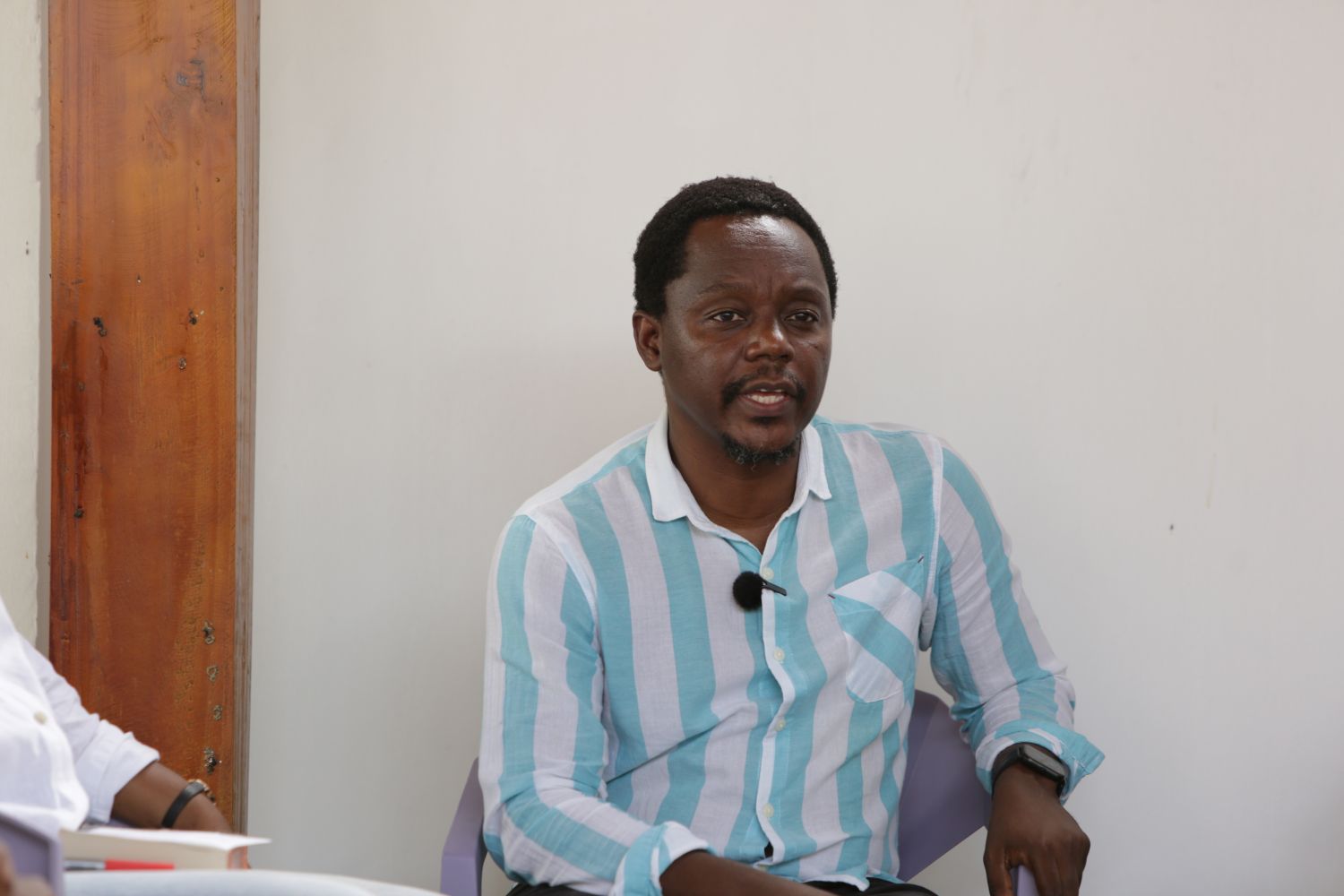
Khalifa Said (Moderator): I want to ask Fortunata, you are an important stakeholder in governance issues. I want to ask you, do you think we have avenues in Tanzania for citizens and their communities to do what Shangwe has mentioned?
For example, there is fear of getting abducted. There are things for us in the media, you fear being shut down, you fear your license being revoked. You have, in realistic terms, do you think we have avenues through which citizens can participate to hold those in power accountable and maybe prevent an outbreak like the one that happened on October 29?
Fortunata Kitokesya: As Shangwe was saying, I will refer to his point about the political system we have. Is the system willing to enable those citizens to be able to do that, to hold people in power accountable, to have freedom of expressing their opinions?
There are laws that restrict very strongly, and then there are online regulations. I don’t know, those regulations, regulations, there are misinformation being spread directly to citizens, confusing them so they are not fully informed. So we are not well-guided, which maybe now is the issue that perhaps researchers fail to guide citizens, civil societies fail to guide citizens.
But there are restrictions. If you look at why aren’t they doing that, because if you go to their laws, there are many procedures for them to provide any kind of education to citizens. You must get this and that permit. Even the law for political parties also says that if they want to conduct any kind of education, training, they must get approval within thirty days from the registrar of political parties.
So those avenues are limited by the laws in place, but also by the environment we live in. For example, looking back from 2020 or back in 2015. Back then we at least had a Parliament that maybe could discuss people’s opinions. People had freedom, they wrote. You could wake up in the morning and see the newspaper has printed a story, but after a while we realize we have a Parliament of one party. It cannot hold anyone accountable, and a citizen cannot send their opinion there. Who will listen? Because their voice is not there. Some of the members, no one knows how they got there.
The same in the media. A person cannot speak freely because they fear being kidnapped or disappearing. Even when we come to talk, your colleague tells you, be careful what you say, you could disappear. So you find that many people have been angry for a long time because they have not been given a place to breathe. Even the sea itself, when it is restricted so much, the day it becomes free, eruption happens. Now that is what happened on the 29th. When things are very restricted, things happen.
“After a while, we realize we have a Parliament of one party. It cannot hold anyone accountable, and a citizen cannot send their opinion there. Who will listen? Because their voice is not there. Some of the members, no one knows how they got there.”
Khalifa Said (Moderator): Tony, at the beginning we said that how did we get here, and I wanted you to give me your analysis of where we are. For you, what is it? Do you think these arguments that we fear being kidnapped, we fear what, do they themselves justify making us as citizens stop fulfilling our civic duties, or can we push beyond them?
Tony Alfred K: Thank you. Where we are, I can say it is like if you have ever seen an ambulance coming, it means someone has reached the end. Where we are is that most adult citizens are afraid that they could lose everything in their country, so they decided to do whatever they can. That is why you see people coming out with great force. That is an ambulance coming. So that is where we are. People are trying. They are asking themselves, what else can we do to fix this situation?
But I want to first go back to defending the ordinary citizen. If you look at our country now, normally we used to have luxury to dwell on gossip, people doing their stuff, sports, that was our life. But if you look at, say, the past six months, everyone is into politics. Everyone is keeping an eye on politics, watching who said what, who did what. Even in salons people discuss politics everywhere. Everyone has decided to engage. They have moved here and it’s because we are in a situation of emergency. Our country’s systems have reached a point where they scare many adult citizens.
Ordinary people have done their duty. How do you do your duty? You see people writing to leaders, writing to leaders, this is not accepted, we want a free election. [Khalifa: That is before, before October 29], yes, people tried. People were doing this.
But another thing regarding how we have reached here, if we look, we’ve reached this point because first, we have completely removed citizen participation in politics. But second, to use insecurity, especially abductions. When you make people think at any moment I could disappear, anytime my family might not know where I am, that puts a person in a situation of what they call fight or flight, fight or flee. That is a normal human reaction.
Now the matter of abductions. Abductions have completely undermined the foundations we could say, the relationship between the state and citizens. By state I mean the government and other institutions. The foundation of the state is that the state operates on a legal basis. It operates on the basis that there is a Constitution.
“Abductions have completely undermined the foundations, we could say, the relationship between the state and citizens.”
When you start using shortcuts against those basics, and here we don’t say who abduct people, of course they say unknown assailants, but we often see it is related to political matters. When you use shortcuts to bypass these basic structures; instead of taking someone to court, the person disappears. Instead of taking someone to jail, the person disappears. When you start cutting shortcuts, know that you are undermining the state. At the end of the day, people see the state as just a group of people. They don’t respect them because you’ve already undermined the state, giving it the image of just a group of people.
You know the issue about authority. Any armed people have authority. If robbers come to your house, they may have authority, they can do anything, but they remain bandits only. Thugs come to your home with machetes, they have authority, but they remain thugs only.
Now when the state enters that side, that’s the image a person sees. People’s reaction [to the state] become like when fighting bandits, the same as fighting thugs, the same.
Khalifa Said [Moderator]: Another important thing to add is that even if it’s not the state doing it, the state failing to confront such acts happening erodes what you are talking about.
Shangwe, when he spoke, what he was expecting after what happened on October 29 is heads would have rolled. This one resigns, that one leaves. But the main question comes: where does it start?
Aida Kiangi: You’ve put me in a trap.
Khalifa Said (Moderator): Listen, is it possible, for example, for a certain leader to resign while the number one, the President, is still there? That is, where should accountability start?
Aida Kiangi: You know what we said: if you have integrity, your own conscience will make you act, not to come back insulting us as citizens. And we have seen many people resign, okay. Whether it was people who were beaten by TANAPA rangers. There was an accident, they have resigned. This thing of citizens being killed on the streets, maybe they don’t see us as citizens. We’ve been called every name, but we haven’t been called citizens and we haven’t been called humans.
Okay, looking at the first list that was released was Bajajis and buses. Know that we are not on that list, okay. So we must ask ourselves as a society, have we completely lost humanity? How do they sleep at night? Because if I don’t sleep well at night, how do they sleep? Or have they not seen what happened or were not there at all?
So we as society must also ask ourselves because they come from families. What do they ask each other inside? Okay, what do their mothers ask, their fathers? And that is what we were talking about regarding society. The problem we have reached is not just leadership, not partisan politics, it is us too.
Ask yourselves if there is someone, a sick family, do we contribute? We don’t contribute. If I say today I have a wedding, everyone will contribute. If I say I need to take my child to school and I don’t have means, we don’t contribute. We sit, being asked about digging latrines, that is community work. We must ask ourselves at the societal level what has happened.
You know, you were talking about pointing fingers, but I would have expected all heads to roll, okay. Nobody, not a single person, has come forward to comfort us, and that is what hurts me most.
Khalifa Said (Moderator): Okay, okay, Shangwe, where should accountability start ? I mean because listen, this is very serious because, for example, right now there is a section in our society which does not recognize that there is a legitimate government. You understand me. So even these things that the government does, there are people who don’t accept them.
For example, today we saw someone who wanted to run for the presidency on the ACT Wazalendo ticket, Luhaga Mpina, refused to go before the Chande Commission because he said he does not recognize the government, ithas no authority to form that commission. And perhaps there are others who have a similar view.
Is it possible for any accountability to happen with the same government and the President and same leaders after October 29?
Dr. Muhidin Shangwe: I think there are two ways. One way, which is comprehensive, is to — which is a radical approach — start at the very top, at authority, start at the very top to be accountable. But in our system, that would mean what? It would mean maybe forming a coalition government, to bring a transitional government, transitional government and maybe even call for elections. That is one.
The second, which is a slight compromise, you could say top authority remains as it is, but a few heads roll. I think it would change the conversation a bit because right now we are talking like that. You say outright there are people who do not recognize that authority or even the Commission.
But if steps were taken, certain steps like a few — like, I mean for example yourself — like dismissing some people who run certain institutions or they resign themselves. I was saying there are steps that don’t require waiting for the Commission.
But there is also something very important that we forgot: communication. The language that comes, the words that come from the mouth. I don’t think the government has succeeded because some statements really came out as mocking, showing that we are not all in the mourning. Sometimes even when “sorry” is said it comes out as just passing by, you know.
But I think communication — I’m not a communication expert but I believe communication is very important. People can get sympathy from the kind of words you speak that comfort them a little. But unfortunately we see that all of that has not happened.
That is why we are in this situation still to this day. We are still in denial. There are still people who refuse some of the things that happened. Language comes out twisted, meaning we still haven’t accepted. Therefore, in that way we will hit a roadblock.
Khalifa Said (Moderator): Fortunata, donors, the international community has been playing a very big role in pushing certain reforms here in Tanzania, up to the introduction of the multi-party system, the restoration of the multi-party political system. It doesn’t mean that Tanzanians didn’t have any role, but donors putting pressure helped.
And we saw during Magufuli’s administration, for example, laws like the Statistics Law, they got calls from above and they changed, as we saw in children returning to school until the World Bank intervened.
Are you hopeful that the international community and donors can push accountability based on what has happened?
Fortunata Kitokesya: Yes, I have faith. Somehow, it has borne fruit. I heard that because of what happened on the 29th, some donors have cut their contributions, which means it puts Tanzania in a bad financial situation. So we have to sell our gold reserve, if I’m not mistaken. I’ve seen it swirling in the news, yeah, across various media.
So what I want to say is that even talking to citizens, they strongly believe that the international community can help out. Yes, it is true, and sometimes in today’s world it is both true and not entirely true. The international community can really push that we do the right thing, which is accountability, as you were discussing, that people have died, the government must issue clear statements, the messaging being communicated to the people, and that some people must be held accountable.
I mean, you clearly want too see a Minister, or maybe the Police Force, whoever was involved in that. I mean, those who enabled those killings to happen are held accountable, that is humanity. But government statements that respond to communications from those donors say that we are a sovereign country. And yesterday I heard an MP speaking, saying those ones are angry because we refused to receive their election funding. So there are conflicting statements coming out, coming from the government: that we are a sovereign country, we can solve our problems ourselves using our own methods.
Yes, I agree. This is not the first country to face such a crisis. Many countries have gone through similar things, and the international community came to help them figure out how to go about it. Because healing is not about this government just beating you with a stick, saying we will do this, no. It requires the involvement of various groups, where now civil society would be involved in the healing process, and the international community would step in to help so that citizens at least feel that they have been heard.
Because a citizen doesn’t expect their relative to be revived, just telling them “I sympathize with you” that your relative passed in that environment, that’s enough. The President doesn’t have to step down, but the language they use, setting the tone, how to resolve the problem, it matters a lot.
International community, I see as effective. And even if our country says it is proud, but let’s not copy the U.S.—the U.S. right now has gone wild, that democracy is no longer working. But for us, it has an impact, because we are a poor country. The moment you do these things, those who seems confused at home will still hold you accountable in different diplomatic ways. Everything is transactional nowadays, so it works somehow, but also it doesn’t.
Khalifa Said (Moderator): Let’s go to the honorable guests who have been listening here calmly and with great patience. Is there anyone who would like to contribute based on what has been discussed here, or do you have anything you’d like to ask any speaker who has spoken?
Edward Nestory Mayunga: My name is Edward Nestory Mayunga from the University of Dar es Salaam, I am a student of Diplomacy and Military History. First, regarding what happened on October 29, I see in some way Tanzania as a country and its government failed. It failed and must accept that it failed.
What happened on the 29th was a culmination of various factors that had existed for a long time, and factors that emerged in a short period. For example, if we talk about the issue of complaints that have existed for a long time regarding how elections are conducted, and the tendency of some government leaders to amass wealth, not listening to citizens, and the oppression of human rights in one way or another.
Also, short-term causes: we can see that when it comes to election time, there is a lot of push and pull, especially that increase opposition anger and other people who may have just been sitting saying, “well, let’s not get involved in politics, but what is happening is bad.” Those push-and-pull actions cause people to get angry and do things that are not good.
But also, Tanzania must realize that it is not an island. This situation that happened — for example, I was reading an article about the Arab Spring protests that happened in many Arab countries, starting in Tunisia. They started like this, and the timeline takes about a decade: issues of oppression, diplomacy, democracy started like this.
But also I want to talk about the commission formed by the government. As I have read it and based on my academic training, although I am not very experienced, the formation of a commission can have various reasons. Although reconciliation and resolution is one of them, experts in international politics may have different perspectives.
For example, when a country goes through problems like these, it can form a commission to delay time or to make people think from a perspective different from what they were thinking. This is what we call shaping public opinions and thoughts so that people diverge from where they were heading, think in a certain direction.
Also, the implications or effects of what happened are that the government — that is, let’s say the government — I don’t know if it realized that it made a mistake, and it will cause a lot of problems. The result, and I feel, we started hearing — we heard here the other day — that the government has a plan to sell its gold reserve, which is a very bad thing for a country.
During Magufuli’s leadership, he encouraged the money in the national bank, that reserve, not just to sit idle, but could be used to buy gold to build the reserve, because gold is the main asset in the country’s economy. Also, I would like to ask a question to the experts here and the government in general: how much does it cost to process or deal with those issues that make people fight? For example, the issue of the constitution, how much does it cost just to say we will take two or three months to make a new constitution or resolve these conflicts that make us fight?
Instead, the government or the country as a country decides to take a long process. For example, the force used on October 29 was a very long way. If there was a short way, that could have been used. Thank you very much.
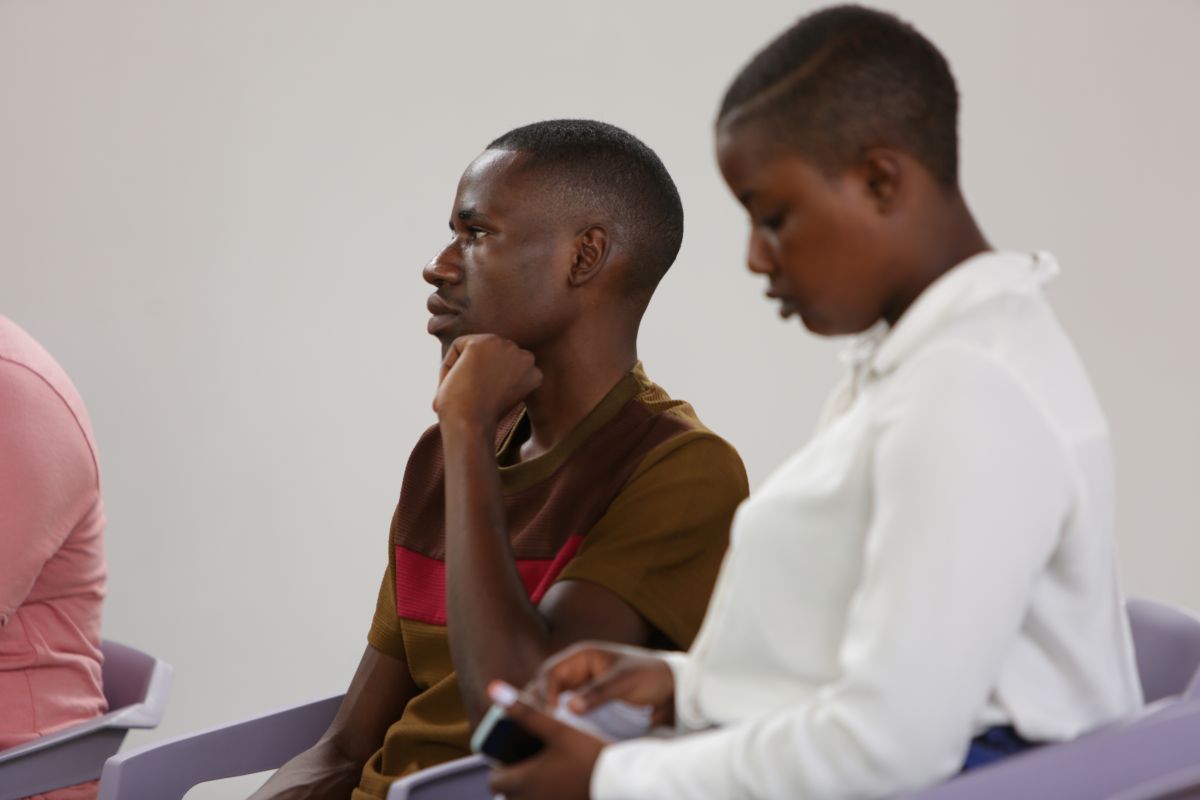
Gladness: My name is Gladness Hosea Mpoyola. I am a first-year student at the University of Dar es Salaam studying political science and public administration. What I would like to advise is that they should accept being told the truth, because the truth sometimes hurts. I mean, it hurts depending on how the person delivers it, but at least you are told the truth.
Even at home, for example, if I tell my father the truth at this time, he will hate me. He will be angry. But at the end of the day, you find that, you help him see the mistake and he correct it although he didn’t accept to be told the truth at first.
They were told the truth on things they don’t like, isn’t that so? But they waited until the effect comes, so people start protesting, various things start happening in our society. Then they do what? Then they start realizing that the citizens are like this.
So if you accept being told the truth and receiving that truth, I feel I don’t think we would have reached where we had reached. Thank you very much.
Aziza: My name is Aziza Hassan Ndiole, a student at the University of Dar es Salaam- Political Science and Public Administration. I want to explain the source that led us to that October 29. I trace back since we gained independence in 1961. The problem started then,when the country came into our own hands.
Because if we look before, even before we started, before we got independence, there were strong civil society organizations, which led to the birth of various parties like TAA, which led to TANU, until we were able to remove the colonizers. There was a civil society which was able to remove the colonizers. But after we gained our independence, those civil society organizations became weak. They remained weak up to now. I mean, we fail. Instead of supporting the citizens, they end up supporting — what? — the government. That is, they exist but have no real authority. There is no freedom of expression. People are unable to speak out on things that exist, you know, they exist in the heart.
So it means those issues, that’s why when it came to even that October 29, when people came to get that opportunity to express their issues that were in their hearts, that’s why a huge outburst occurred, because people had been holding onto things for a long time. Because, in my opinion, to advise the government and leaders, maybe have a stance, have a good stance, and also give freedom to those civil society organizations, those NGOs, and even international ones on issues of International Bodies.
Joel Ntile (The Chanzo): I have two contributions because of time. The first contribution was about, reaction. Reaction is not just the government side, but also other groups, those that form the nation. I think we have analyzed other groups, but I wanted to go back and emphasize what Tony said about the responsibility that citizens took before those events.
The reaction that has been significant so far until now is from the citizens. Yes, the citizens — to the government, citizens to civil society organizations, citizens to political parties, citizens to media, and so on. Because we have seen on the side how citizens currently, or for some stakeholders, for example the media, had been largely — I’m speaking about the media in general — we had moved completely off our responsibility. Leave aside analysis, even just reporting some of the key issues happening in society and within the society, but also the country in general.
But we found ourselves now, after these events, the response citizens gave. We have seen now all media have started, at least even one step. Although we are not yet doing our work — the media is not doing its work as it should — but at least now you can see even in the media there is news. When they leave certain news, they are getting worried how the audience is going to deal with them.
So I see that as one role of the groups that reacted, which at least can show some light, it’s the citizens. But secondly, I want to comment on the role or responsibility of international communities, especially Tanzania’s partners, either in development, political, and other matters. I still have doubts regarding their role, because of the current global political situation. As we see, it has reached a point where everyone is self-interested, looking out for their own interests.
There are those values or principles we talk about, some International Communities which have been associating themselves with these values, but now they cannot uphold these values because of looking at how they can navigate the current state of the world as it is now.
So I say the responsibility of bringing change to Tanzania, where we are going, or the Tanzania we want after the events of October 29, I return it to our own hands. We, Tanzanians, we will be the foundation ourselves, starting with the citizens, other stakeholders, civil society organizations, media, academics, and the government overall.
So we Tanzanians ourselves will have a responsibility, you could say ninety-nine percent, in ensuring this. To build Tanzania better, where everyone feels they belong and live in Tanzania, even if they have ideas different from those in power, or even if they have different ideas from a certain group of people. They will still see themselves as Tanzanian.
“The responsibility of bringing change to Tanzania, where we are going, or the Tanzania we want after the events of October 29, I return it to our own hands. We, Tanzanians, will be the foundation ourselves.”
Despite their differences, and even those with different opinions will see themselves as Tanzanian, despite their differences, whether ideological or opinion-based.
Ally: My name is Ally Sadick Ibrahim, a student at the University of Dar es Salaam studying Political Science and Histor. First, I want to start by quoting: we say, “Where the focus goes, energy flows. Where you direct attention, energy follows.”
In my opinion, I can say that Tanzanians — many, including us, the government in general and normal citizens — we have focused a lot on criticizing the government without looking at many things the government has done that maybe we expected to be done differently, but the government has not done in that way.
This has resulted in our energy being focused on looking at criticisms, and we don’t look at some amendments the government has made, including setting up these commissions [Ministry of] Youth. The government has set up commissions, but still, there is some criticism, though some weaknesses appear, that the government is doing. That is the first point.
But the second point is to connect to my brother here. He spoke about the role of these international bodies, these USAID. I can say that, for myself, I personally cannot understand their role, because to some extent it seems I see there is a double standard.
Take, for example, the demonstrations that happened in Tanzania. We see there was a double standard after that election. These international bodies quickly released those [reports on] election frauds. And if you look, on the other hand, many things are happening in these donor countries. The United States has invaded this… Israel has… they don’t claim things like that.
My main point, directing questions to the presenters, Madam, my question was this: As a Tanzanian country, are we in a safe place? Are we in a safe part of the world? If you look at the way the data has evolved, they say data is the new petrol, and we are the commodity.
The way these donor countries invested in collecting data, the way they invested in these social media to collect data and be able to spread misinformation — take, for example, those protests that happened recently in Iran. The USA sent Starlink, it’s a technology that, for example, if the government shuts down networks, it can still use satellites to be able to detect what is happening.
And how they invest in many things to find information about many countries with weaknesses, and to be able to spread misinformation, cherry-pick. So my question to all presenters: Are we in the same place that we want the government to react and not proactively act?
In the current situation, if we look at Tanzania, there are protests, but the same year, last year, there were almost thirty protests around the world. In Kenya there was one, in the US, there are Anti-Trump, I don’t know where else. Are we in the same place to carry out those reforms that you want, where there is a psycho profile that pushes us that makes us go backwards? These external pressures — are we in the same place? That is my question.
Khalifa Said (Moderator): Okay, thank you all very much. All good comments and very good questions.
So we move to our speakers here as we conclude. You will respond to the questions raised by contributors. But I wanted to follow up a bit on that question that the gentleman there has raised: Is it possible that we are being too hard on the government? Maybe the government isn’t being treated fairly. That the government is doing many things. For example, the President can say, I have formed a Commission. The Commission is now working. Other things are happening there. The government is busy raising money to do this.
And we are focused here, maybe and elsewhere, just criticizing something that isn’t going well. Are we being too hard on the government and losing sight of the good things the government is doing?
Fortunata: No, we are not being hard on the government. There is proportionality of the blame and the way the government is responding. The big issue in front of us we are discussing is the killings of the 29th. Since the killings happened, the way the government reacted — we have discussed, I don’t want to repeat — it did not react in a way that people could feel that the government sympathizes with them.
So we are not being very hard. We are talking about something that touched us as citizens because Tanzanians are always known as people who usually don’t like confrontation. We are usually very gentle, but this time it was very different. People were surprised worldwide that Tanzanians can speak up and speak through protests. Unfortunately, people died in those protests.
Looking at that proportionality — people died. But what is the remedy that we are getting from the government? Where is it? It doesn’t really match what we faced during those days.
Aida Kiangi: No. remember, we are the employees — we hired them, sorry — and let’s not forget people were killed. We can say what we want, but let’s remember people were killed. We must remember those lives, right?
And the government is not there as volunteers. We pay them, all these people are paid. They don’t work for free, right? And they haven’t missed salaries all this time in service. Okay, I know we said they created a youth commission. Have they thought about it? Or did they just wake up and form the youth commission, saying Ministry of Youth, but you haven’t thought it through? What does it do? What is its mandate? Okay, where does the budget come from? Because we forget we have a budget system, right? Where do the plans come from?
Okay, I think this idea of saying yes, what you are doing, there are things you did well. Let’s remember they are not volunteering. We have a plan. These are our money as citizens, right? They are not volunteering. They are paid salaries. It’s like someone arriving home and saying, better that mom and dad brought food home to feed the children. It is their responsibility. They gave birth to these children.
So this idea of forgetting that people have died and people are still in pain — people need to hide it. Some people can’t even get operations. Instead of throwing money that way, we could have been saving people. To acknowledge that things happened — acknowledge yes, we are not an island.
But this comparison we are trying to make, that Kenya protests — they have been doing it for a long time — okay, but we have never seen killings like this in Kenya, right? Americans have been protesting for a long time, but killings within three days — we have never seen. Okay, I think we need to compare apples to apples: history and freedom to protest. Okay? If we were just allowed to keep walking, I don’t think we would have reached here, to be honest.
Khalifa Said (Moderator) : Maybe Tony, I want us to conclude with this question, because honestly, time is running out. In practical terms, at the beginning we talked about the question of how satisfied we are and how the nation responds to what happened. One may want to know exactly what it is from your perspective that needs to be done right now, so that the characterization we made at the beginning can change, for example, to satisfy that this is indeed a good direction. What should be done?
Tony Alfred K: The first thing is many of us talk about the commission. It’s important to have an independent commission. The commission we have — it’s a commission that, on the onset, is surprisingly [the former] defense minister is on that commission. From there, maybe we are not taken very seriously, meaning as citizens. I don’t know. Maybe from my perspective as a citizen looking at it, seeing the defense minister already gives me doubts.
But alongside those people, they may be good. I don’t know them personally, they may be good. But I don’t see them having the power to enforce their report. I don’t see it. Starting from the commission, there needs to be an independent commission — independent commission with independent people, and involve the international community, even if it’s African, but involve the international community.
You know, Tanzania — we often talk about oh we can do it. Tanzania has been involved in other countries’ problems: Rwanda, Burundi, Zimbabwe, Seychelles, Comoros, Uganda, Kenya, South Africa. Everywhere we were involved, and other problems are similar to ours. So there is a stage when it reaches, all humans in the world must observe, especially when it comes to unarmed people, the vulnerable being killed in their homes. That is a very big issue.
So the first thing is the commission must be changed. Second, accountability. It’s very hard to explain that all the people who were in the government at that time until now are still the same, as if nothing happened. It’s very hard to explain, really.
But lastly, there must be an admission of this problem, meaning in its magnitude. We must admit this problem is this big, and we must decide that we take serious steps forward. The first step being to go to a constitutional debate that is independent, involving the citizens.
Khalifa Said (Moderator): Thank you, Sister Aida. That same question, but I want to twist it a little. I think when we discuss this matter, I think the well-being of the affected people is being forgotten. We are discussing these matters from a theoretical point of view, knowing that if we fail to acknowledge that someone has lost someone, and what, maybe from that perspective, what should also be done in addressing this matter? Maybe those people should also be reached out to, asked how they are coping with this situation.
Aida Kiangi: I think to go to the families, to offer condolences, to acknowledge that pain. Even if they don’t tell us as society at large, let’s remember there are people in hospitals and others have been sent home with a lot of injuries, and they cannot pay for treatment. At least, let the government cover it. If it’s a scalp replacement, at least the person can return to life.
Remember, if you injured, someone must assist. They must get medicine. They must get many things. Some people are bedridden. We don’t discuss them. Okay, if you say the issue of, even if you don’t want to tell us, create a fund so people can, I mean, because there’s the recovery. And recovery is not just replacing organs. It’s psychological help. I know we forget. Most of us are suffering from PTSD. Many are angry right now. They don’t know where it comes from. Some people walk on the street, a car backfires, they startle, right? It’s not normal. Children have gone through a lot. You cannot just sit on Biafra Street in Anananifu — now you’re okay? You’re not.
That has got long-standing effects. We don’t have many psychologists, but we can find help, even if it’s first-level counseling. We have done this at so many drives. But to acknowledge: people are still suffering. Some people are crippled for life, and not only citizens. I know we forget. Those who held weapons are also going through a lot. Many have never killed before.
You know, that is what we are forgetting. It’s like you went to war for the first time, and you come from the battlefront — you are not normal, inside their homes, with their families. They also need help. This issue is not just a problem — this tragedy, no one is spared, whether you are from the authorities or not: police, military, or whatever side you are on. Remember, even those police and soldiers have families. They live on the streets and with us. Their life is not the same anymore. Everything has changed. Saying we’ll return to where we were is impossible, but can we go forward? Yes, I believe so.
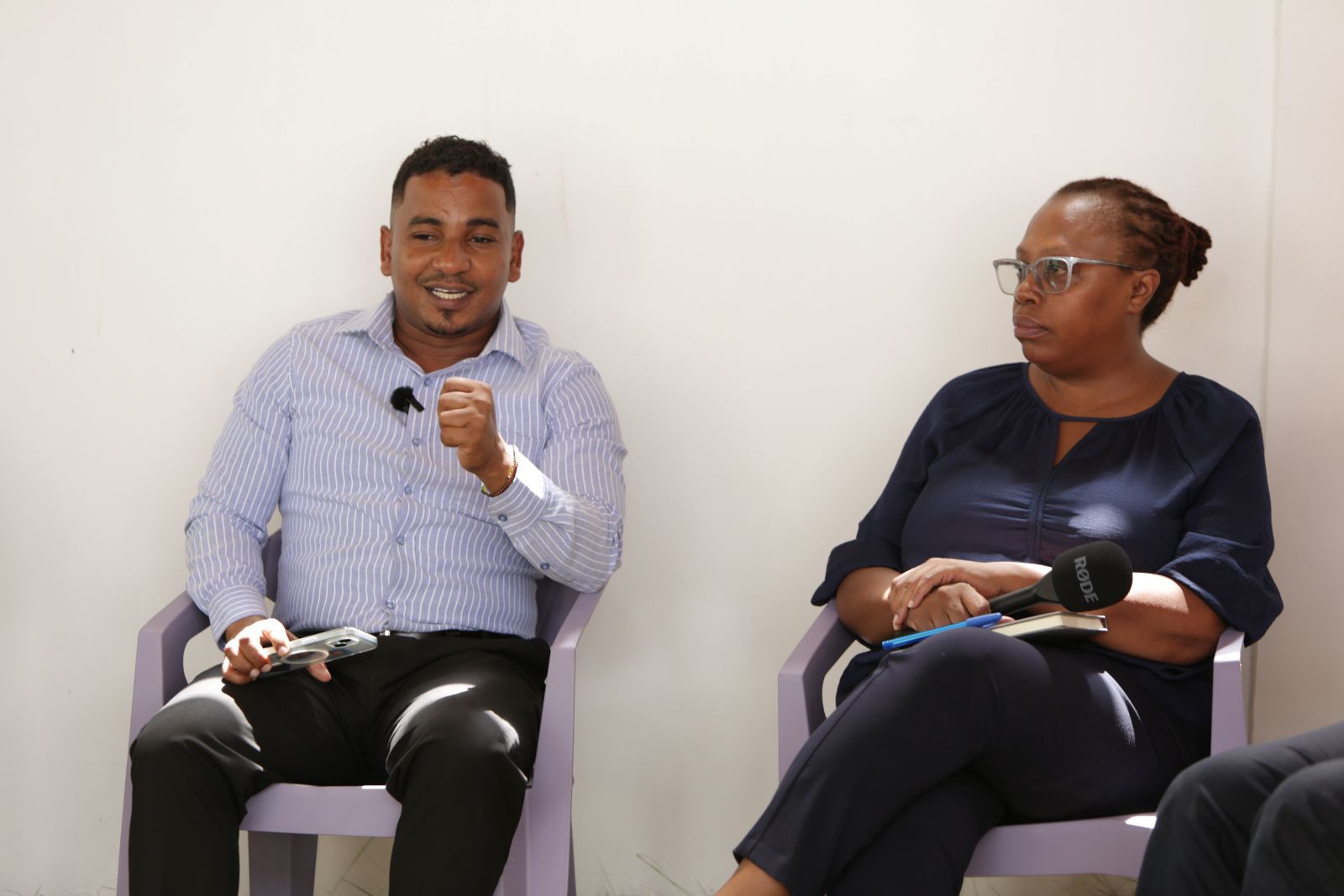
Khalifa Said (Moderator) :Shangwe, What should be done? But I also want you to add our role as citizens — what it is in ensuring that this thing happens.
Dr. Muhidin Shangwe: I think the main thing I want us to do now is fulfill the promise of a multi-party system. It’s a promise we made in 1992 in the context of seeking a new political consensu. We had a one-party consensus, right? We decided that now we want a new multi-party consensus. That promise has not been fulfilled.
And these are not my words, I want to quote the former CCM Secretary General, who is my teacher, Dr. Bashiru. He spoke about this: that this country has never had a multi-party constitution, a constitution in the sense of a consensus of multiple parties.
Now, some of the things we see are like this: since the 1990s, the Nyalalali Commission, there have been many recommendations, they have not been implemented. We just dodge.
But there is that issue of maybe we are too harsh or too hard on the government. We don’t lack people to praise the government. Are we really short? No. Let those who praise, and it’s good to explain the good things about the government, right? Let those who praise, and it’s good, explain the good things about the government well.
And those who criticize, let them criticize well, right? It’s a competition of ideas. Let us not abduct people, right? Bring your points: this one praising, this one criticizing, we will reach consensus. I will answer questions that have also been asked. Two things can be true at the same time: there is a threat from foreign countries — a superpower threat from large nations, it exists, we cannot deny it.
There is also a threat coming from within. So we, as citizens, first must be aware, because not everything from outside is good. South Africa’s apartheid was not ended by South Africans themselves, right? There have been international community efforts to end it. Even colonialism: student movements during colonialism, people protested. They said, “We want to end colonialism. We want to end racial discrimination.” That’s effort from outside.
So two things can be true at the same time: yes, there is a threat from outside, but there is a threat from inside, right — inside. It’s in our own hands, right? So let’s deal with it.
Khalifa Said: As I mentioned earlier in my introduction, this is a new program which The Chanzo has brought, where we will meet people like those we have seen here and discuss matters that directly affect us as citizens, directly, and how we ourselves as citizens can solve those issues. So we have no choice but to stop here for today.