
Dar es Salaam – Tanzania’s Higher Education Students’ Loans Board (HESLB) is embarking on a strategic shift towards private sector collaboration to address a growing funding gap and increase its capacity to support students pursuing higher education.
This move comes as the nation grapples with a low tertiary enrolment rate and increasing pressure on public finances.
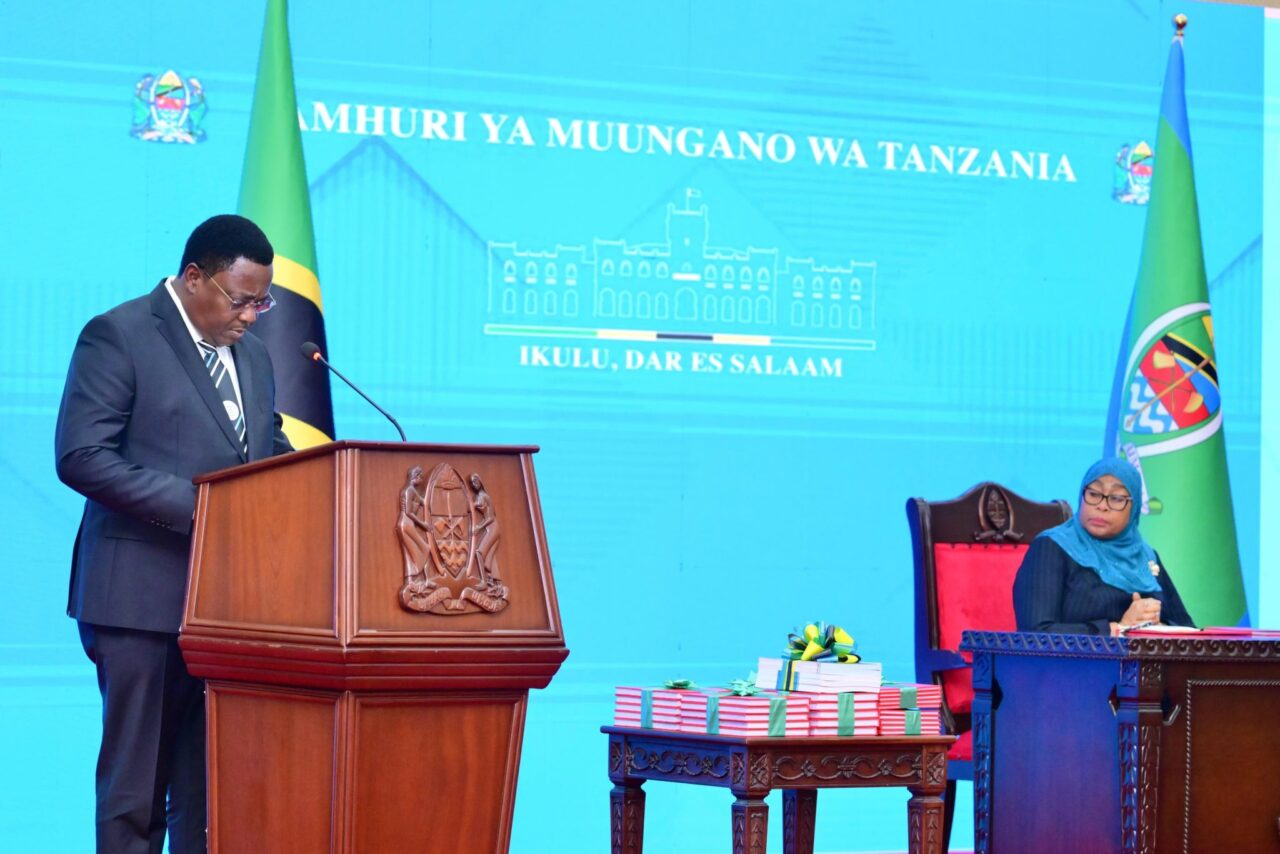
The most recent partnership was unveiled on February 18, 2026, with the launch of the Imbeju-SmartElite initiative, a collaboration between HESLB, CRDB Bank Foundation, and Basil Link Company. The initiative aims to provide students with digital skills, financial literacy, and entrepreneurship training, alongside access to laptops and other resources.
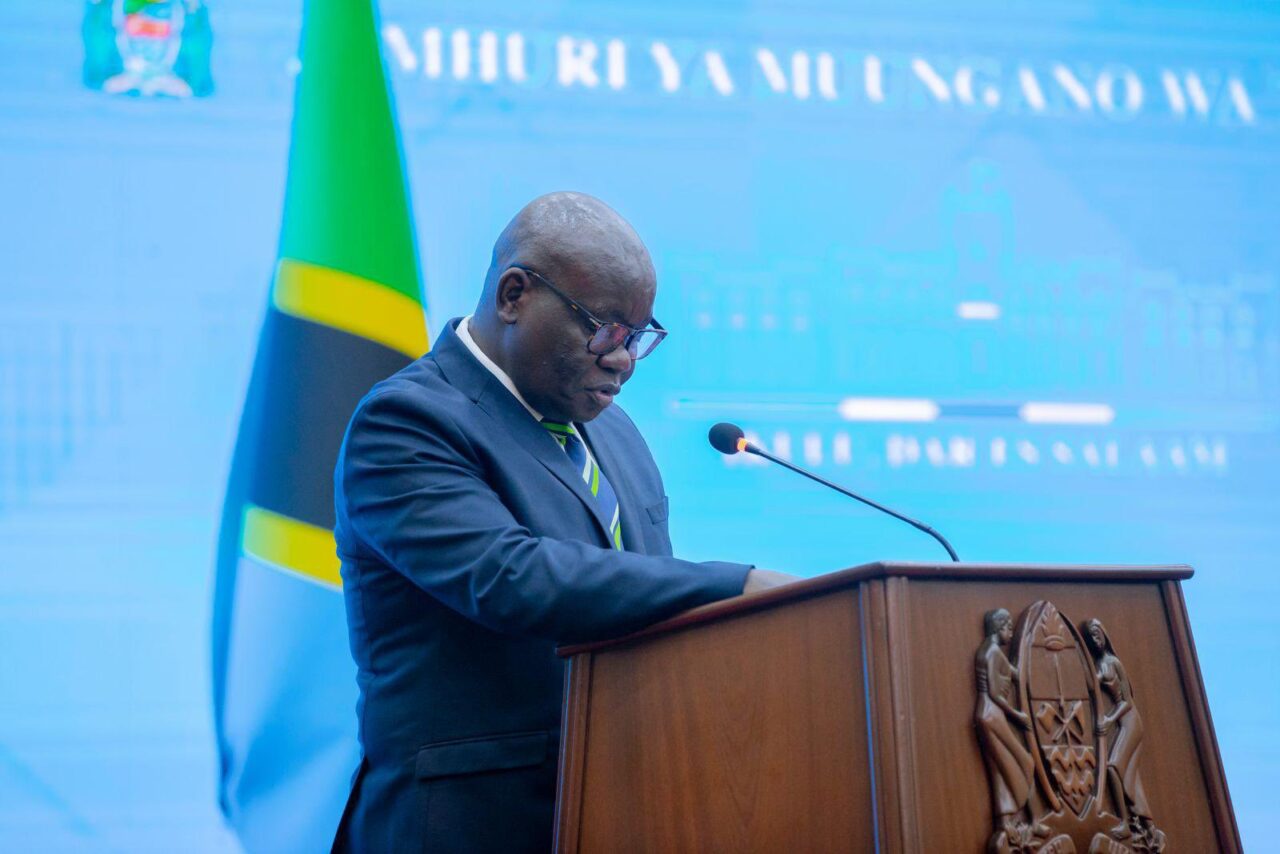
Speaking at the launch, HESLB’s Director of Loan Analysis and Planning, Dr Peter Mmari, stated that the board is opening a “new page of cooperation with the private sector to increase efficiency and reach more young people in the country.”
This pivot is significant as HESLB, which has disbursed approximately Sh8.5 trillion to over 1.1 million Tanzanians since its inception, faces the challenge of sustainably meeting the rising demand for higher education financing.
READ MORE: Free College Is the Antidote to HESLB’s Enduring Challenges
The need for alternative funding models is pressing. While HESLB has significantly expanded access to education, its resources are stretched. For the 2025/2026 academic year, the board provided loans to 276,032 students, a substantial increase under President Samia Suluhu Hassan’s administration.
However, Tanzania’s gross tertiary enrolment rate stands at just 6.1 per cent, lagging behind neighbours like Kenya (11 per cent) and the sub-Saharan African average of 9.4 per cent. This highlights a vast, unmet need for higher education financing that the government’s budget alone cannot satisfy.
Compounding the funding pressure are significant challenges in loan recovery. A 2024 report by the Controller and Auditor General (CAG) revealed that as of June 30, 2023, HESLB had only collected 62 per cent of all matured loans, leaving Sh0.81 trillion (38 per cent) outstanding.
The report cited poor recovery methods and the difficulty of tracking beneficiaries after graduation as major impediments. The repayment rate has steadily declined, falling from 39 per cent in the 2017/18 fiscal year to just 23 per cent in 2022/23.
To address these issues, HESLB has been undergoing a digital transformation, moving all its services online and launching tools like the ‘BwanaBoom’ AI chatbot to improve communication with students.
READ MORE: Everything Must Fall: A Wake-Up Call for Tanzania’s Youth and Education System
The board is also working to integrate its systems with the National Identification Authority (NIDA) to improve beneficiary tracking, a move endorsed by the CAG and HESLB Executive Director, Dr Bill Kiwia.
Private financial institutions are stepping in to fill the void. CRDB Bank, in addition to its foundation’s work, offers products like the ‘Boom Advance’ and ‘Uni Loan’ to help students cover immediate costs while awaiting HESLB disbursements.
Education economists argue that such public-private partnerships (PPPs) are essential for the long-term sustainability of student financing in the country.
“Tanzania has successfully socialised the cost of higher education through HESLB, but the next phase must involve blended financing, where government, the private sector, and development finance share the risk,” noted education economist Dr Haji Simfukwe in a recent analysis published by The Citizen.
READ MORE: Why Nigeria’s New University Admissions Policy is Backward and Anti-Human Rights
The government, for its part, continues to invest heavily in the sector through initiatives like the US$425 million Higher Education for Economic Transformation (HEET) project, funded in collaboration with the World Bank. This project aims to expand university infrastructure to accommodate more students.
However, the turn towards private sector partnerships signals a recognition that a multi-pronged approach is necessary to ensure every qualified Tanzanian has the opportunity to pursue higher education and contribute to the nation’s development.