
Burundi and the United Nations have signed an US$82 million response plan to repatriate approximately 104,600 Burundian refugees by June 30, 2026, with the vast majority coming from Tanzania.
The agreement was formalised on Monday, March 3, in Bujumbura and was signed by Leonidas Ndaruzaniye, Burundi’s Minister of Interior; Violet Kakyomya, the UN Resident Coordinator in Burundi; and Brigitte Mukanga-Eno, the UNHCR Representative to Burundi.
The plan is designed to fund the operational management of returnees, assess their needs upon arrival, and — critically — support their long-term reintegration into Burundian communities.
Of the targeted refugees, approximately 93,000 are currently in Tanzania, making it the largest host country.
The remainder are spread across Rwanda (50,848), the Democratic Republic of Congo (46,873), Uganda (43,234), and Kenya (10,367), according to UNHCR figures as of February 28, 2026.
The plan’s urgency is driven by the imminent closure of two refugee camps in Tanzania’s north-western Kigoma region. The Nduta camp is scheduled to close by March 31, 2026, whilst the larger Nyarugusu camp closes on June 30.
READ MORE: Tanzania to Interview Burundian Refugees in 2025 to Determine Validity of Stay
Together, they have served as the primary refuge for Burundians fleeing successive waves of instability.
The current refugee crisis stems from April 2015, when the late President Pierre Nkurunziza announced his intention to seek a third term — a move critics argued was unconstitutional.
This triggered massive protests and a violent crackdown by government forces and allied militias.
Hundreds of thousands fled into Tanzania, many for the second time, having previously sought refuge there during the Burundian civil war of the 1990s and early 2000s.
Organised repatriation efforts began in September 2017 under a tripartite framework. Since then, more than 300,000 Burundian refugees have been repatriated, including over 37,000 in the first two months of 2026 alone.
READ MORE: New Report Warns of Deteriorating Food Security at Nyarugusu, Nduta Refugee Camps
The pace has accelerated sharply: the tripartite agreement, updated at the 26th meeting of the Tripartite Commission in November 2025, set a target of up to 3,000 returnees per week.
In practice, that figure is being far exceeded. According to Mukanga-Eno, more than 8,000 refugees are now returning weekly — more than double the agreed maximum.
“Though it is a good thing, it is a real solution only if it is accompanied by the reintegration of those returnees,” she said.
The scale and speed of returns have drawn scrutiny from humanitarian observers. UNHCR has not formally declared Burundi safe, yet it has shifted from facilitating to actively promoting voluntary returns since 2024.
Critics argue this distinction matters greatly in practice.
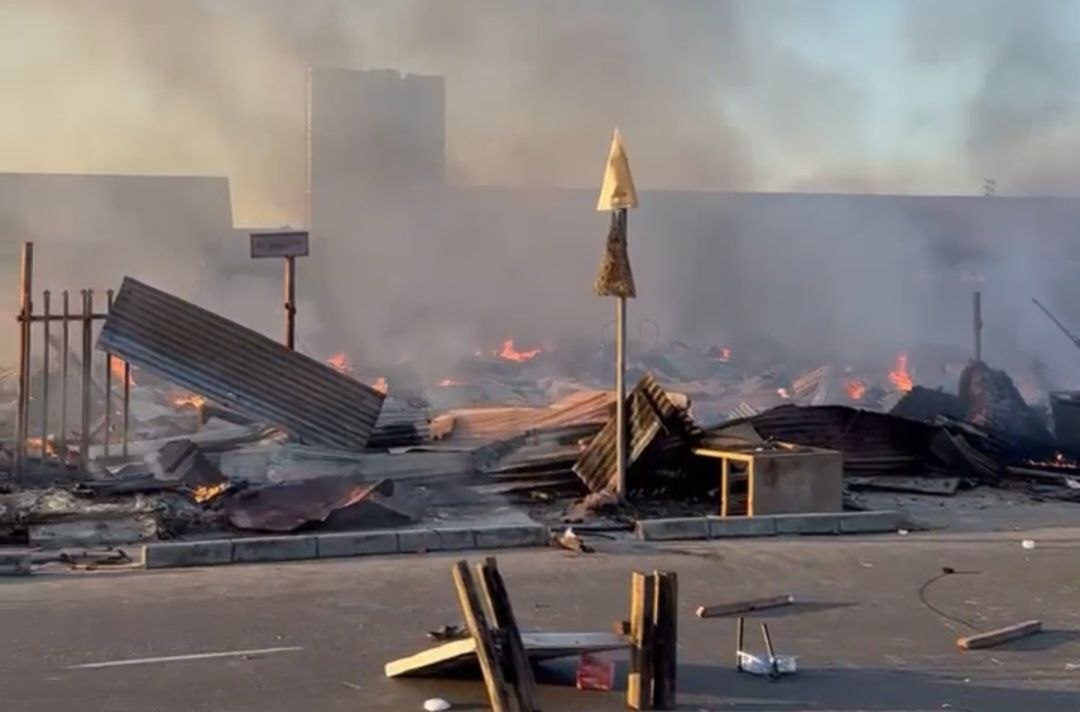
In a February 24, 2026, statement, UNHCR acknowledged that “refugee shelters have been demolished” and some refugees had “reportedly been subjected to mistreatment.”
READ MORE: Over 1000 Burundian Refugees in Tanzania have Returned Home Since January 2022
Bahia Egeh, UNHCR’s representative in Tanzania, confirmed increasing reports of coercive measures being used to compel refugees to register for return.
An estimated 17,000 refugees say they are unable to return due to fears for their safety or risk of political persecution, including members of the political opposition and former military personnel.
A coalition of local refugee rights groups has condemned what it described as “coercive pressure aimed at forcing Burundian refugees to register for return to Burundi, in clear violation of the principle of voluntary, safe, and dignified repatriation.”
UNHCR has maintained that it operates a dedicated protection help desk at which individual cases can be assessed, and that those who still require international protection will not be included in return convoys.