
Dar es Salaam – Minister of Energy Deogratias Ndejembi convened a high-level emergency meeting with oil marketing companies and regulators on March 4, 2026.
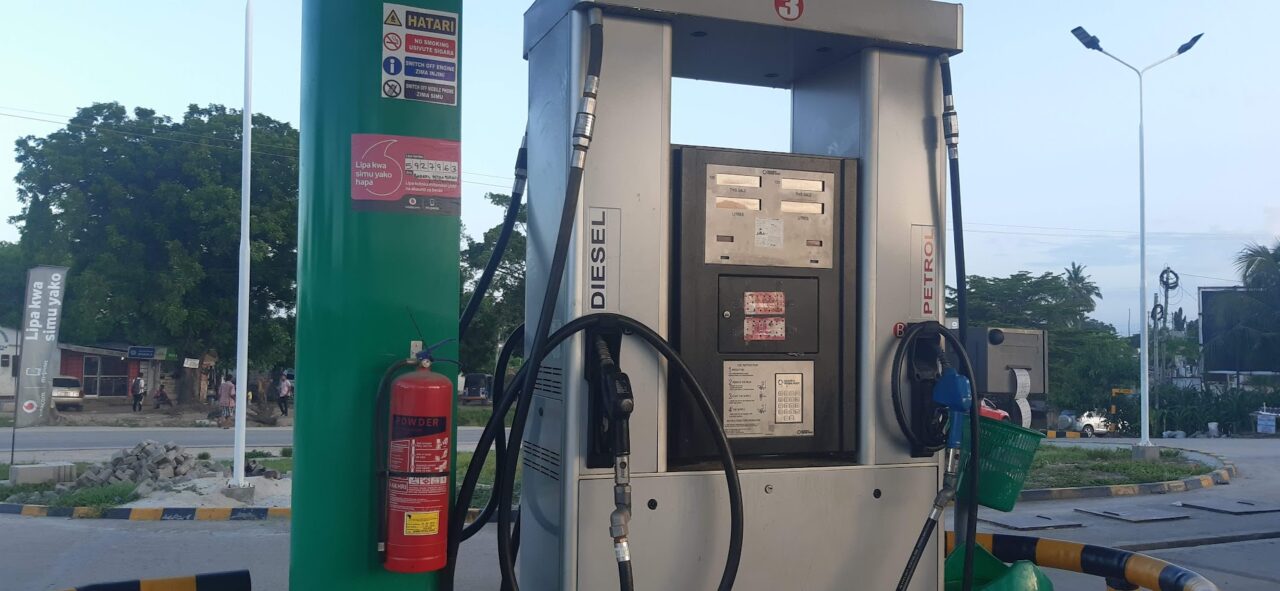
The urgent talks were held to map out a strategy for safeguarding Tanzania’s fuel supply amid the shockwaves of a widening war in the Middle East.
The meeting, held at the Ministry of Energy’s offices in Dar es Salaam, brought together the Commissioner for Petroleum, Goodluck Shirima and the Director General of the Energy and Water Utilities Regulatory Authority (EWURA), Dr James Mwainyekule.
Others in attendance were the Chief Executive of the Tanzania Petroleum Development Corporation (TPDC), Mussa Makame, and the Acting Chief Executive of the Petroleum Bulk Procurement Agency (PBPA), Bruno Tarimo.
A representative from the Tanzania Revenue Authority (TRA) was also present, along with the owners of fuel marketing companies operating in the country.
Minister Ndejembi used the occasion to assure the private sector of the government’s full cooperation, while issuing a firm reminder that compliance with industry laws and regulations remained non-negotiable.
READ MORE: Tanzania Launches US$265M Oil Terminal to End Fuel Shortages and Cut Costs
“The government is vigilant, organised and has done everything possible to ensure the security of fuel supply, while ensuring you all with the highest-quality support,” he said. “It is my call upon everyone to abide by the industry’s operational laws.”
He further urged all stakeholders to cooperate at all times to guarantee that Tanzanians have unhindered access to fuel services.
Dr Mwainyekule, speaking on behalf of EWURA, echoed the minister’s assurances and pledged continued regulatory support to service providers, while cautioning that non-compliant operators would face stern enforcement action.
Acute anxiety
The meeting comes at a moment of acute anxiety in global energy markets. Brent crude oil briefly touched US$82 per barrel on March 3 after US and Israeli forces launched strikes on Iran over the preceding weekend, killing Iran’s Supreme Leader and triggering a fierce Iranian counter-offensive.
Iran has since warned vessels against transiting the Strait of Hormuz — the narrow waterway through which approximately 20 per cent of the world’s oil and gas passes.
The warning was reinforced when at least three tankers were struck near the strait, bringing international shipping in the area to a near standstill.
READ MORE: Global Leaders Convene on Clean Cooking as Tanzania Shows Progress Amidst Stark Challenges
QatarEnergy, one of the world’s largest liquefied natural gas exporters, temporarily suspended production after drone strikes targeted its facilities in Ras Laffan Industrial City, causing Europe’s benchmark gas price to spike by as much as 50 per cent in a single session.
For net oil-importing economies in East Africa, the consequences of a prolonged disruption are potentially severe.
Tanzania imports virtually all of its petroleum products, making it structurally exposed to both the price volatility and the physical supply disruptions that a sustained closure of the Strait of Hormuz would generate.
Global fuel prices had already risen by 13 per cent in the week preceding the ministerial meeting.
President Samia Suluhu Hassan cited these rising costs during a separate ceremony on March 3, when she laid the foundation stone for a major new oil storage facility at the Port of Dar es Salaam.
“Given current global energy disruptions, it is vital that Tanzania strengthens its capacity to withstand external shocks, including fluctuations in international oil prices,” President Samia said on that occasion.
READ MORE: Gas-Rich Tanzania Pushes for $42 Billion LNG Deal Amid Sector Challenges
“We must ensure that our energy security is not compromised and that supply remains stable for Tanzanians,” she added.
Regional picture
The broader regional picture is no less concerning.
East Africa’s supply chains are already under fresh pressure as the Middle East conflict disrupts energy flows and shipping routes.
Analysts warn that a prolonged war could push crude prices above US$100 per barrel — a threshold that would translate rapidly into higher pump prices, elevated food costs and renewed inflationary pressure across the continent.
Maersk, the world’s second-largest container shipping group, has already announced it will reroute vessels around the Cape of Good Hope rather than through the Suez Canal, a diversion that adds both time and cost to cargo bound for East African ports.
The Tanzanian government has not disclosed the specific contingency measures it has put in place.
READ MORE: Indian Oil Targets Tanzania in African Energy Expansion Push
However, the government is treating the current situation as a serious and immediate threat to national energy security.
This is evidenced by the combination of the ministerial summit, President Samia’s directive to strengthen strategic reserves, and the accelerated push to complete the new oil terminal.