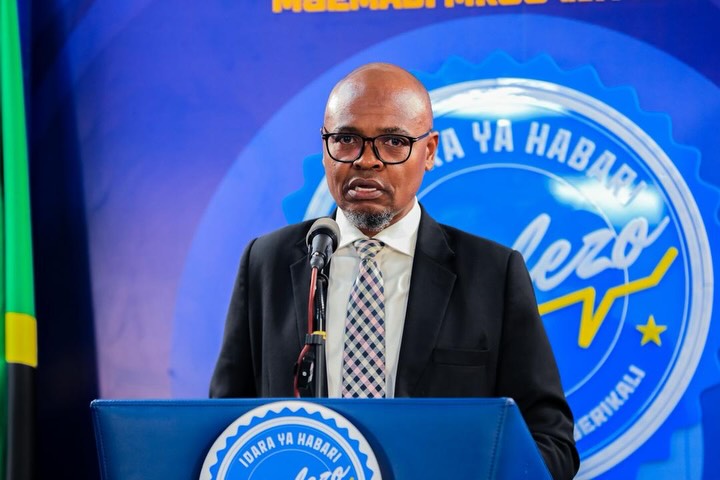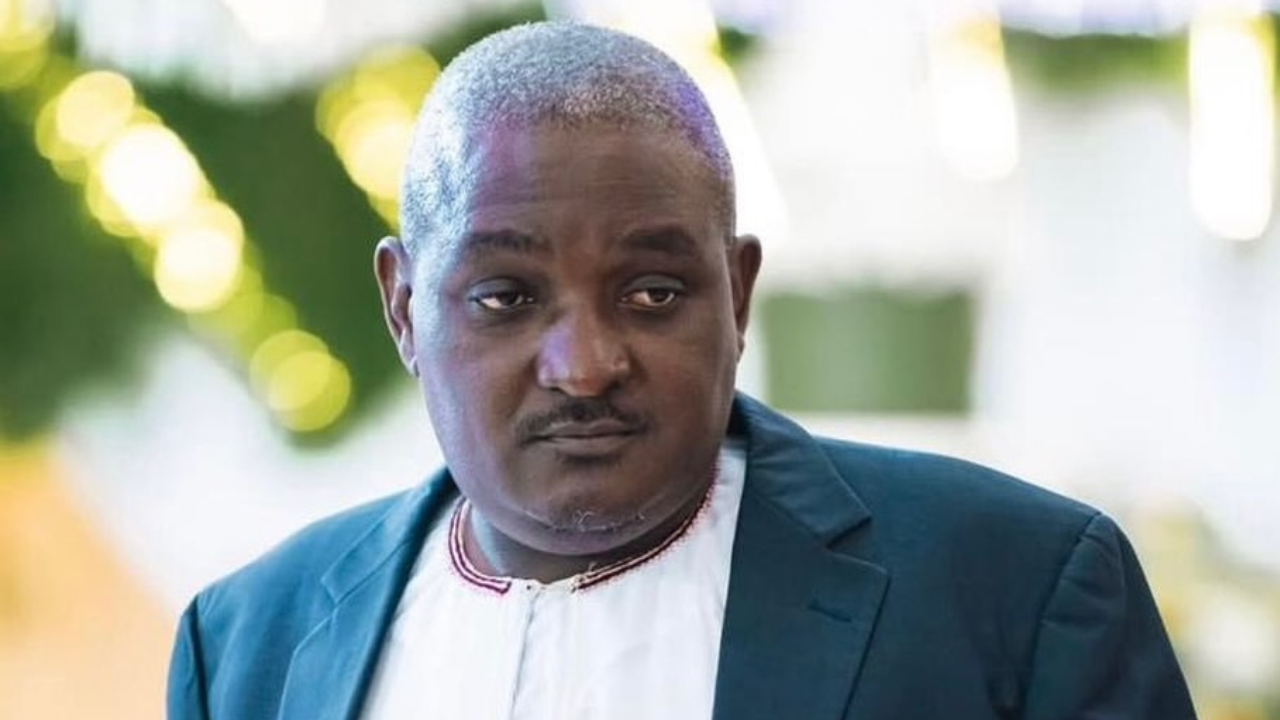

Nairobi, Kenya – A day after the announcement that he was acquiring a controlling stake in Nation Media Group, Tanzanian billionaire Rostam Aziz faced journalists in Nairobi on Wednesday, pledging to invest heavily in the region’s largest independent media house, protect its editorial independence, and grow its workforce.
Aziz, speaking at a press conference in Nairobi on March 11, 2026, addressed a room of journalists and media professionals for the first time since AKFED announced on March 10 that it had agreed to sell its 54.08 per cent majority stake in Nation Media Group PLC (NMG) to his company, Taarifa Ltd.
The press conference, held a day after the deal was made public, drew pointed questions from journalists about editorial independence, job security, political connections, and the future direction of the group. Aziz answered each with a directness that left little room for ambiguity.
A vision long held
Aziz opened by revealing that his desire to invest in NMG was not a recent development but a plan that had been quietly in motion for nearly two decades. He traced its origins to 2003, when he invited the Aga Khan to become a co-investor in Mwananchi Communications Limited, the Tanzanian media company he had co-founded.
“I traveled to Paris, met him and convinced him to be a partner in the media group that I had started in Tanzania,” he said. “He graciously accepted that invitation.”
When Aziz sold his shares in Mwananchi Communications in 2006, he said he made a specific request to the Aga Khan. “I said, anytime you want to exit media in East Africa, please consider me as an interested party,” he told journalists. “And he said to me, I shall bear that in mind.”
He added that his intention to invest in Kenyan media stretched even further back. “My intention to come and invest in Kenya media has been there for a very, very long time,” he said.
“It goes as far back as 2006 when I was selling the majority of my shares to the Aga Khan and asking him that anytime, any day, he wishes to exit the media industry in East Africa, I’ll be very keen to invest.”
On independence
The question of editorial independence drew the most sustained attention from journalists in the room, particularly given the well-documented pressures that government advertising exerts on media houses across the region. Aziz was unequivocal in his response.
“We are not going to compromise on the independence of our media company because of advertisements,” he said. He argued that the answer to government influence over media was not accommodation but strength.
“If you’re strong and if you have wider coverage and you reach a greater population of the country, people will be compelled — whether they’re private sector or government — to advertise in your media. If you’re weak, the government can do away with you.”
He said the path forward lay in diversifying revenue streams and expanding NMG’s audience base beyond its current readership.
READ MORE:Tanzania’s Foreign Media Ownership Restrictions Impact Citizen’s Freedom of Speech
“You need to strengthen your media outlets so that they’re able to sustain even in the diminished or reduced advertisements that may come from the government,” he said.
On jobs and investment
Aziz directly addressed fears of further job losses at NMG, which has undergone significant restructuring in recent months, including the merging of its Weekend Monitor editions in Uganda and the closure of several regional bureaux in Kenya. He was categorical in his assurance to staff.
“I want to assure the employees of Nation Media Group that our intention is to expand, not reduce,” he said. “There will be more jobs created rather than less jobs created. There’ll be more jobs as we go forward because we need to transform.”
He framed the recent cost-cutting measures at NMG as a symptom of under-investment rather than a template for his own stewardship. “One thing I can assure you is that we invest because we believe that it’s an investment that brings you returns,” he said. “If you stop investment you will die as a company.”
Aziz also identified a strategic gap he intends to close: NMG’s limited reach among younger audiences. “As I look at Nation Media Group today, it is catering for 30 and above,” he said. “It hasn’t really transformed itself in areas where they need to reach the bigger population, which is the less than 30.”
READ MORE:The Struggle for Integrity: The State of Tanzania’s Media in 2023/24
He pointed to Kenya’s youthful demographic as an untapped market. “The median age of Kenya is pretty young. I think you have one of the youngest populations in the world. So the media has also got to be geared to reach that constituency.”
Dismissing political links
When asked whether a senior government official was behind the acquisition, Aziz declined to engage with the premise of the question.
“I do not want to dignify that question with an answer other than that this is a business of ours,” he said. “We have invested because we have seen an opportunity.”
He noted that his relationships with political leaders across the region were personal and long-standing, predating the current administration.
“I was closer to Uhuru Kenyatta than I am to [current Kenyan President William] Ruto,” he said. “I was closer to Mwai Kibaki, who was a guest of honour at my daughter’s wedding in Tanzania.”
He added that his gas terminal in Mombasa — the largest liquefied petroleum gas facility in Africa — received all its licences under the Uhuru Kenyatta administration.
One market
Aziz used the occasion to make a broader argument about East African economic integration, pushing back against what he described as a Kenyan tendency to view investment from neighbouring countries with suspicion.
“Kenya and Tanzania are the biggest trading partners,” he said. “You supply a lot of goods to Tanzania. We supply a lot of goods to Kenya. This is how we build our economies.”
He called on Kenyans to embrace a more reciprocal view of regional investment. “Kenyans are huge investors in Tanzania. Tanzanians are a minuscule in Kenya. We need more Tanzanians to come to Kenya and invest,” he said. “We are not rivals. We complement each other. What you don’t have, we have. What we don’t have, you have.”
Aziz closed with a direct message to NMG’s journalists and editors. “Your legacy will be respected. Your institution will be strengthened, and your role in shaping the future of our region will continue to be valued,” he said.
The acquisition, which is subject to regulatory approvals from Kenya’s Capital Markets Authority and is expected to conclude within three to four months, marks the end of AKFED’s 66-year stewardship of the group.