
Tanzania reaffirmed its position on the repatriation of Burundian refugees at a Regional Conference on Durable Solutions for Burundian Refugees held in Nairobi, Kenya, on March 18, 2026, declaring that Burundi is now safe and that all remaining efforts must be directed towards bringing refugees home.
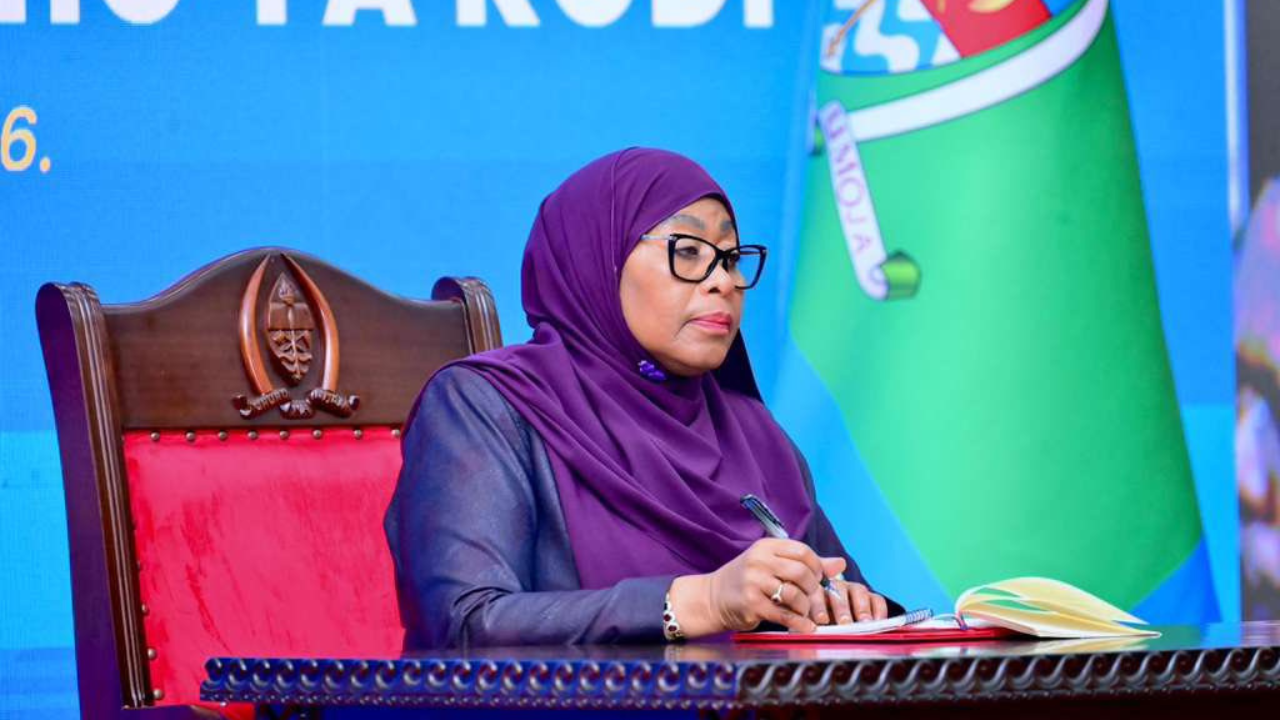
Speaking on behalf of the government, Deputy Minister of Home Affairs Ayoub Mohammed Mahmoud said the principles of freedom, unity, and self-reliance should guide Burundians back to their country rather than continued dependence on humanitarian aid in exile.
The statement came as the pace of returns from Tanzania’s two remaining refugee camps — Nduta and Nyarugusu — continued to far exceed the targets set under the tripartite agreement between Tanzania, Burundi, and UNHCR.
More than 24,650 Burundian refugees returned home in February alone, up from over 20,000 in January, bringing the total for the first two months of 2026 to more than 37,000.
The current weekly return rate of over 8,000 individuals is more than double the 3,000-per-week ceiling agreed in the updated tripartite accord signed in November 2025.
READ MORE: Burundi and UN Sign US$82 Million Deal to Bring Home Over 100,000 Refugees Before Camp Closures
Since the repatriation programme began in 2017, a combined total of more than 284,000 Burundians have been assisted to return — 198,705 from Tanzania and 85,519 from other host countries.
Deputy Minister Mahmoud also acknowledged a deepening concern that has shadowed the entire operation: the sharp decline in international funding for refugee services.
He called on the international community, through UNHCR, to direct more resources towards reception and reintegration support inside Burundi — arguing that stronger conditions at home would attract more refugees to return voluntarily.
Tanzania, he said, remains committed to the tripartite agreement and to ensuring that all returns are conducted in accordance with the 1951 Geneva Convention and the 1969 OAU Convention on Refugees.
Acute financial strain
The Nairobi conference took place against a backdrop of acute financial strain. The US$82 million response plan signed on March 3 in Bujumbura — designed to fund the repatriation and reintegration of approximately 104,600 Burundian refugees by June 30 — has not yet been fully funded.
According to reporting by SOS Médias Burundi, the US$82 million remains largely unraised, leaving the operational framework in place but its implementation in doubt.
READ MORE: Tanzania to Interview Burundian Refugees in 2025 to Determine Validity of Stay
The consequences of underfunding are already visible. The World Food Programme reports that food rations in Nduta and Nyarugusu camps stand at just 65 per cent of the recommended level due to budget constraints, with only nutritionally vulnerable groups receiving full rations.
Health services in Nyarugusu, the larger of the two camps, have shrunk from ten facilities to just two. On the Burundian side of the border, UNHCR has warned that reception and transit centres are “severely overstretched,” with reduced resources and limited staffing straining operations.
The Nduta camp, home to tens of thousands of Burundians in the Kigoma region, is scheduled to close by the end of March 2026. The Nyarugusu camp, the larger of the two and also housing a significant population of Congolese refugees, is set to follow at the end of June.
Nestor Bimenyimana, Burundi’s Director General of Repatriation, has said that more than 143,000 refugees are expected to return before those deadlines. A follow-up tripartite meeting is planned in Nyanza, Tanzania, to finalise arrangements for the remaining caseload.
The accelerating pace of returns is already reshaping the camps’ internal dynamics. According to the WFP, the increased departures are requiring constant adjustments to planning, resource allocation, and humanitarian assistance.