
Dar es Salaam – The public sector financial management shows encouraging signs of improvement, with 99 per cent of audited government institutions receiving clean opinions in the 2024/25 fiscal year.
However, several entities continue to struggle with significant financial reporting deficiencies that require urgent attention.
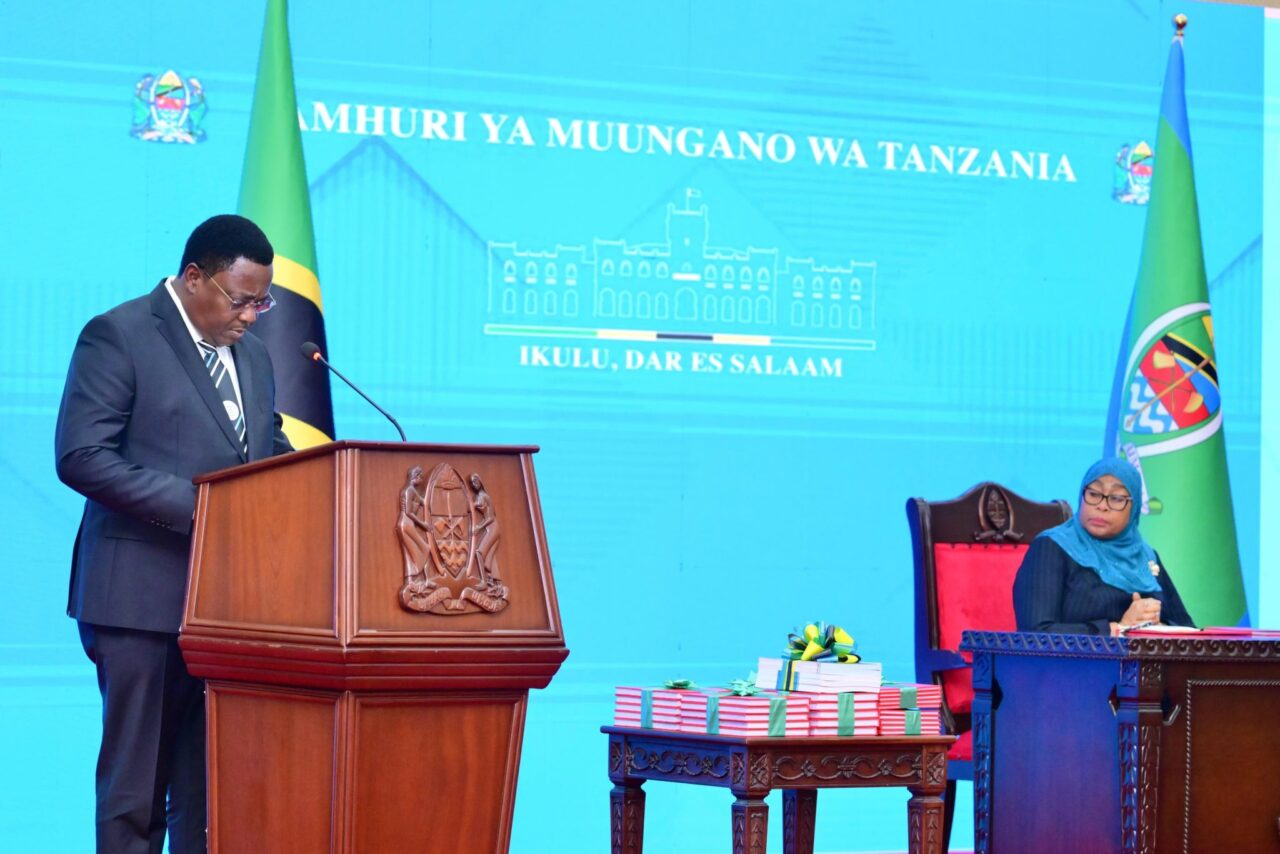
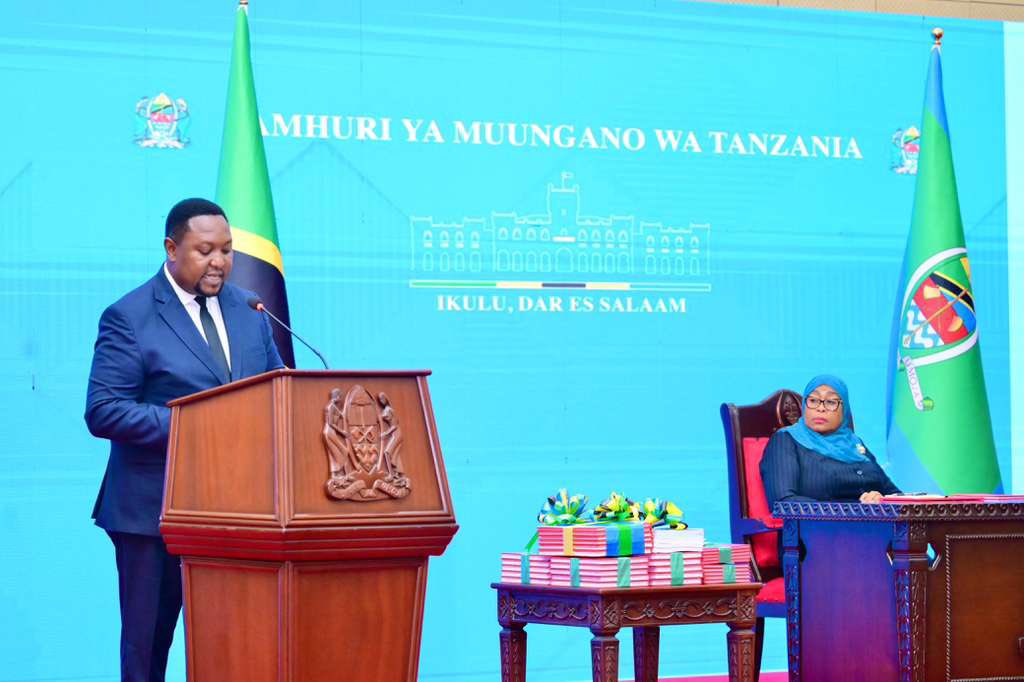
Controller and Auditor General (CAG) Charles Kichere presented these findings to President Samia Suluhu Hassan at the State House in Dar es Salaam on March 30, 2026.
The extensive audit operation covered 1,553 examinations across multiple categories, providing a comprehensive assessment of public financial management systems.
These included 1,339 financial statement audits, 18 performance audits, 12 real-time technical audits, 137 ICT system audits, and 147 special investigative audits.
The breadth of this audit approach demonstrates the evolving capacity of the National Audit Office to monitor increasingly complex public financial systems.
Presenting the findings to President Samia, CAG Kichere said: “The overall audit results show that most institutions are complying with financial reporting standards and adhering to established accounting procedures.”
READ MORE: CAG Wants Plea-bargaining Exercise Investigated by Independent Commission
This positive overall assessment represents progress compared to previous years, where clean opinions stood at 96.9 per cent. However, the audit identified several entities with concerning financial practices that require corrective action.
Deficiencies
Ten institutions received qualified opinions, indicating moderate concerns about their financial reporting. More seriously, one entity received an adverse opinion, and two others received disclaimer opinions due to insufficient audit evidence.
Among the entities flagged for financial reporting issues were the Tanzania Tea Board and the Tanzania Tobacco Board, two regulatory bodies critical to the country’s agricultural export sector.
Keko Pharmaceutical Factory, a significant player in the pharmaceutical manufacturing industry, was also cited for financial control weaknesses.
The Tanzania Electrical, Mechanical and Electronics Services Agency (TEMESA) received the most severe assessment with an adverse opinion. The audit revealed massive fraudulent payments at TEMESA totalling Sh5.01 billion, involving ghost suppliers and unverified services.
READ MORE: Court Rules Magufuli’s Dismissal of Assad as CAG ‘Unconstitutional’
At the local government level, Kibaha Town Council and Msalala District Council were identified as having qualified audit opinions.
The audit specifically highlighted Kibaha Municipality for selling 168 plots worth Sh4.09 billion outside official systems, with funds diverted to private accounts.
Implementation crisis
The report also highlighted a poor implementation rate of past audit recommendations, revealing a systemic challenge in accountability. Out of 38,181 recommendations issued in previous years, only 36.7 per cent had been fully implemented.
A further 43.5 per cent remained under implementation, whilst 7.5 per cent had not been implemented at all. Some recommendations had remained unimplemented for up to 20 years, exposing a systemic challenge in accountability and governance.
“This indicates that corrective efforts have not reached a level that can bring about rapid and productive changes,” CAG Kichere noted.
The CAG cited specific examples of long-standing issues. The Tanzania Revenue Authority has Sh7.24 billion in uncollected tax debt that has remained outstanding for more than 17 years.
READ MORE: Mobile Money Could Be Africa’s Most Powerful Tax Collector — If Governments Let It
The Maritime Authority has Sh658 million owed by the Mafia Island community that has not been paid for over 15 years.
Public debt concerns
The audit also touched on the national debt, which had reached Sh110.05 trillion by June 30, 2025. This represents an increase of Sh12.7 trillion compared to the previous financial year, a 13.04 per cent rise.
Despite the increase, the debt remains within sustainable levels. The present value of total public debt to GDP stands at 40.7 per cent, well below the acceptable limit of 55 per cent. Foreign debt represents 24.9 per cent of GDP, also below the 40 per cent threshold.
Meanwhile, the report revealed massive losses in public corporations that continue to drain government resources.
Air Tanzania Company Limited (ATCL) recorded a Sh191.19 billion loss in 2024/25, representing a 108 per cent increase from the previous year. The airline’s accumulated losses since its establishment now total Sh748 billion.
The Tanzania Railway Corporation (TRC) also suffered significant losses, partly due to 328 train accidents that cost the corporation Sh3.06 billion in damages and lost revenue.
READ MORE: HESLB Turns to Private Sector to Bridge Student Loan Gap
These losses underscore systemic challenges in operational management and infrastructure maintenance.
Presidential response
Receiving the report, President Samia commended the CAG for a thorough job and the overall improvement in clean audit certificates.
She assured the public that the government would take decisive action on the findings and recommendations.
“The government will take action as directed by our laws and as recommended by the CAG to eliminate the existing shortcomings,” the Head of State promised.
She directed the Chief Secretary to closely monitor the evaluation and implementation of all recommendations provided by the audit office. The president reiterated her commitment to ensuring public resources are managed with integrity and patriotism.
President Samia: “When we manage our resources with integrity and patriotism, we will strengthen accountability and accelerate national development.”
READ MORE: Electricity, Freight and Credit: The Real Deal
The report will now be submitted to parliament for further scrutiny and appropriate action, as required by the Constitution.
This submission will trigger a formal process of parliamentary oversight and accountability for government institutions identified with deficiencies.