
Dar es Salaam — The communications regulator has suspended the broadcasting licence of digital publication Jambo TV for 90 days, accusing the outlet of publishing “inaccurate” content that it “was not sure of.”
The Tanzania Communications Regulatory Authority (TCRA) announced the suspension on April 2, 2026, citing violations of the 2020 Online Content Guidelines and subsequent amendments.
The regulatory action stems from a Jambo TV news report based on an article by veteran journalist Jackton Manyerere, which was posted on the broadcaster’s Instagram account, as well as on its other platforms, and later removed.
Manyerere’s article, published on March 31, 2026, offered a critical commentary on the state of the nation ahead of the highly anticipated release of a report by the commission of inquiry investigating the protests that coincided with the October 29, 2025, general election.
The commission, chaired by retired Chief Justice Mohammed Chande Othman, is scheduled to complete its task on April 3, 2026, following a 42-day extension granted in February.
READ MORE: JamiiForums Founder Warns of ‘Killing Local Innovation’ Following 90-Day TCRA Ban
In his piece, Manyerere argued that the presentation of the report on Good Friday presents a “make or break opportunity” for building a more inclusive Tanzania. He asserted that the nation has been torn apart by injustice, political exclusion, and the misappropriation of public funds, creating a deep divide between the rulers and the ruled.
The journalist warned that citizens are angered by the lack of accountability for the post-election violence and stressed that true reconciliation requires both forgiveness and legal accountability for those responsible.
The TCRA, however, stated that Jambo TV’s broadcast of these views misled the public regarding the ongoing events and the expected outcomes of the commission’s investigation.
Ailing media sector
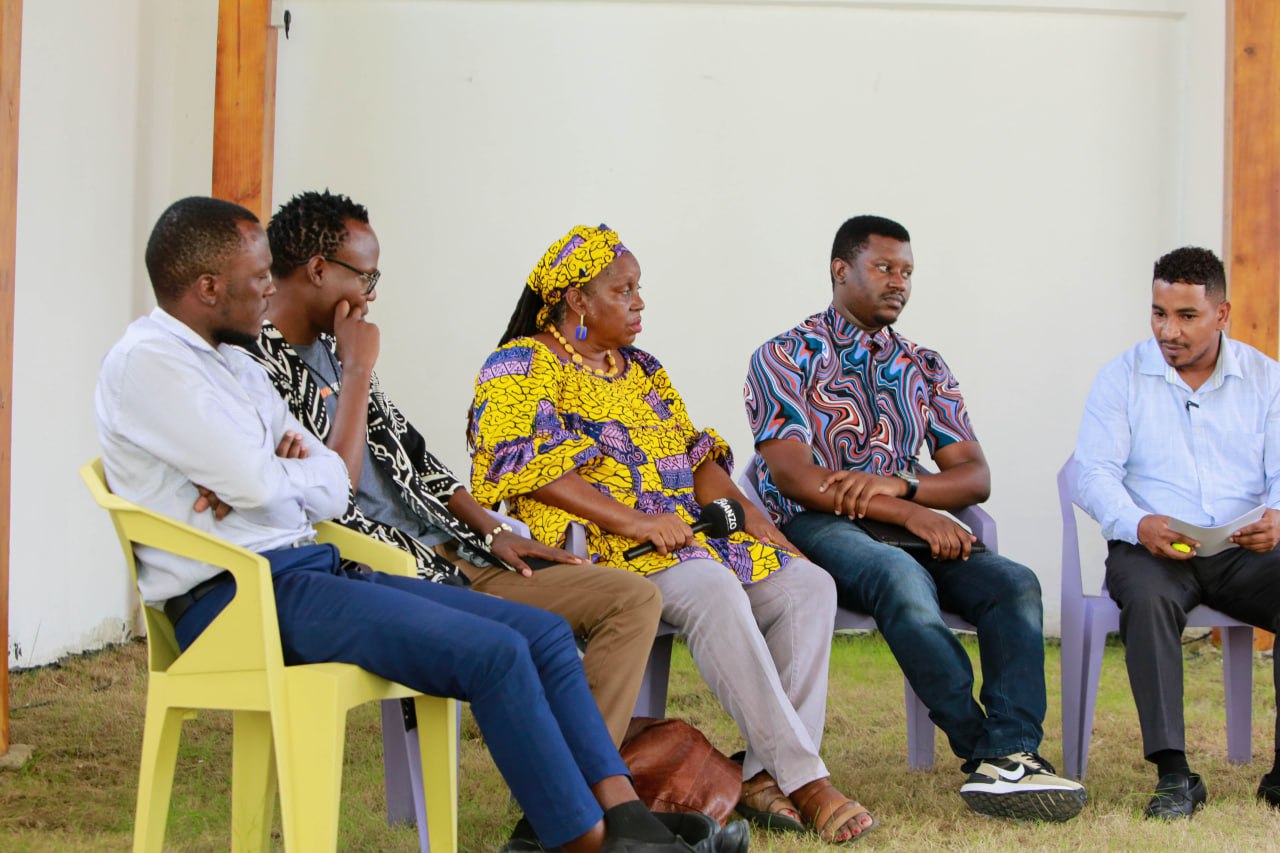
The suspension of Jambo TV occurs against a backdrop of increasing anxiety regarding the state of the media in the East African nation. During a recent episode of Kivulini Talks organised by The Chanzo, media experts and legal professionals painted a bleak picture of the industry, describing it as “ailing” or even “dead.”
Robert Majige, a lawyer and Policy and Civic Tech Lead at Tech and Media Convergence, argued that the sector is “ailing and heading to death,” noting a significant decline in professionalism and analytical depth compared to the early 2000s.
READ MORE: Kivulini Talks: The State of Media in Tanzania—Alive, Ailing, or Dead?
He contended that self-regulation is impossible given the extensive statutory oversight by bodies like the TCRA and the statutory Journalists’ Accreditation Board (JAB).
Rosemary Mwakitwange, a seasoned media executive, was more blunt, declaring the sector “dead and gone.” She attributed this decline to a pervasive climate of fear, stating that authorities have successfully intimidated media outlets, preventing them from fulfilling their fundamental role as watchdogs.
This fear, according to Advocate William Maduhu of the Legal and Human Rights Centre (LHRC), has led journalists to self-censor and focus on international news rather than pressing domestic issues.
Maduhu observed that citizens have consequently lost faith in traditional media outlets, increasingly placing their trust in individual commentators and activists.
Pattern of regulatory action
The action against Jambo TV is also not an isolated incident. In September 2025, the TCRA imposed a 90-day ban on JamiiForums, the country’s prominent online forum, for allegedly publishing content that misled the public and insulted the government.
Maxence Melo, the founder of JamiiForums, warned at the time that such arbitrary punitive measures threaten to stifle homegrown innovation and could force local companies to relocate abroad.
He criticised the regulator’s approach of shutting down entire platforms rather than addressing specific problematic content through established legal procedures.
Even Jambo TV itself is no stranger to punitive measures from regulatory authorities. These targets have forced the publication, which commands a huge following and respect in the nation’s media landscape, to rebrand from time to time just so that it can survive and serve its audience and the public.
In 2022, for instance, the online media outlet, then known as DarMpya, was forced to rebrand to ZamaMpya after the TCRA declined to renew its licence. The regulator had previously prohibited DarMpya from publishing following its coverage of protests by the Maasai community outside the Kenyan High Commission in Dar es Salaam. The same regulatory challenges led the publication to rebrand to Jambo TV.
Notable presence
Launched by journalist John Marwa, Jambo TV has a notable presence in the media scene, having reporters across the country and being among the first media outlets to break major news from wherever it occurs.
Earlier in March 2026, the publication received warning letters from the TCRA and the JAB after its morning show host, veteran journalist Paschal Mayala, made an opinion about Prime Minister Mwigulu Nchemba that authorities thought was not evidence-based.
The suspension has drawn sharp criticism from political stakeholders. The opposition party ACT Wazalendo issued a statement strongly condemning the ban, describing it as a continuation of the ruling party’s suppression of press freedom to conceal government wrongdoings.
The party argued that shutting down media outlets for discussing the state’s actions against its citizens leaves unanswered questions about the government’s intent to allow professional journalism.
ACT Wazalendo expressed solidarity with Jambo TV, calling on the government to cease its “oppressive behaviour” and allow the publication to resume operations unconditionally. The party highlighted the broader economic impact of such bans, noting that they destroy employment opportunities for youth and undermine efforts to build a resilient economy.
These regulatory actions, combined with severe economic challenges, have pushed many media outlets into what Kennedy Mmari, CEO of Serengeti Bytes, described as “survival mode.”
With private newspapers relying heavily on government advertisements for revenue, the space for independent, critical journalism continues to shrink, raising profound questions about the future of democratic discourse in the country.