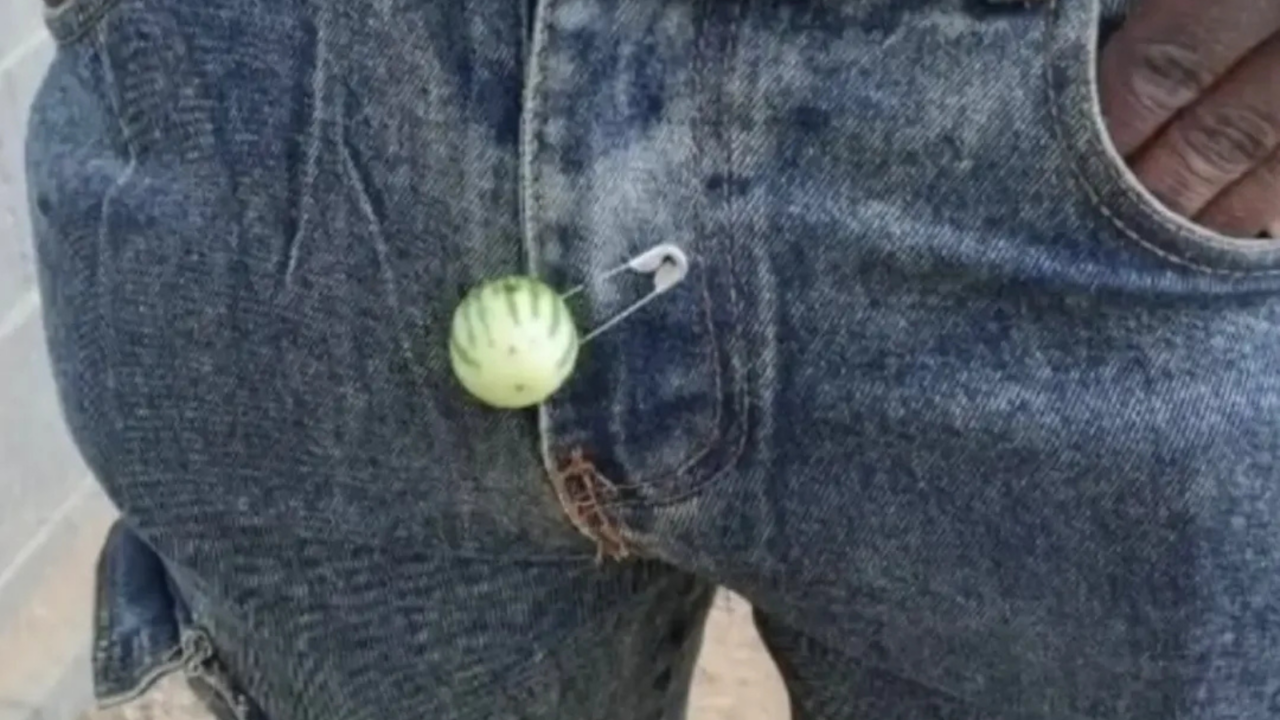

Dar es Salaam – A rumour that men could lose their genitals after a stranger touched them on the shoulder has left at least seven people dead within four days, with others seriously injured and still in hospital, according to a national police statement dated April 5, 2026.
The clearest official account so far says the panic began in Tunduma, a border town in Songwe region, on April 1, 2026, before spreading to Mbeya, Dar es Salaam, and other parts of the country.
By April 4, 2026, police spokesperson David Misime said the misinformation had already triggered violence, killing five people and injuring several others in Songwe, Mbeya and Dar es Salaam.
Earlier the same day, Songwe regional police commander Augustino Senga said four people had been killed, and four others were in hospital after mob attacks linked to the claims.
Taken together, the accounts suggest the toll rose as the scare spread and as authorities assembled a fuller national picture, with the April 5 police statement now standing as the highest official tally made public in the material reviewed for this report.
What happened
Police say the claims themselves did not stand up to scrutiny. In the April 5 statement, the force said men who alleged that their genitals had vanished were medically examined and found to have no such problem.
Misime was quoted a day earlier as dismissing the scare in similar terms, saying: “These acts driven by superstition, mob emotions and motives that are not yet known have no truth.”
READ MORE: What Explains Tanzanians’ Obsession With Superstition in Football?
In another instance, Misime said claims that men’s genitals disappeared after being tapped on the shoulder were false and meant to incite fear and public panic.
Senga gave the same message in Tunduma after the police took the complainants for checks. “Investigations have shown that their organs are completely normal,” the regional commissioner said. “There is no truth to these claims.”
The most detailed example in the police statement concerns Henry Shubati Muywanga, a teacher from Songwe, who was accused in Laela ward in Rukwa on April 4 after a quarrel over the price of soap.
According to police, a young man then shouted that the teacher had touched his shoulder and made his genitals disappear, prompting a crowd to beat and burn the teacher to death.
Where it spread
Panic seems to have followed a clear geographical path. The national police statement says it started in Tunduma, in Songwe, then moved to Mbeya city and Dar es Salaam.
According to reports, cases were later reported in Makongolosi in Mbeya, and in Dar es Salaam neighbourhoods, including Kimara Mwisho and Mbezi Shule.
The same police statement also recorded an incident in Zanzibar, where a man identified as Said Hussein Said was accused after allegedly touching a bus passenger’s shoulder; police intervened, and doctors found the complainant had no medical problem.
READ MORE: Menstruation Myths Deny Tanzanian Women Miners Their Livelihoods
The issue remained politically salient on April 6, when Home Affairs Minister Patrobas Katambi told a public meeting in Dar es Salaam that the reports had come from Songwe and Mbeya and that police checks found the complainants’ genitals were present.
The timeline suggests the first visible online reporting followed the offline panic by several days. Police trace the rumour to April 1, while the earliest accessible online reports reviewed for this story were published or dated April 4.
Toll rises
As the rumour travelled, so did the violence. The April 5 police statement said seven people had died in four days and that other victims were still receiving hospital treatment.
That is the strongest official answer, for now, to the question of whether there have been fatalities or serious injuries: there have been both. The statement explicitly refers to deaths, serious injuries and ongoing treatment in hospital.
Katambi, speaking on April 6, said roughly four people had died in Songwe and Mbeya after the claims spread. He warned that others had been beaten and left with disabilities over what he called falsehoods.
Reports show an uneven but consistent pattern. Local and regional officials first described lower tolls in the earliest stages, while the national police statement later counted seven dead across the wider outbreak.
In practical terms, the victims were not people whose genitals had disappeared, but people attacked, maimed or killed because others believed the rumour, or exploited it.
State response
Authorities have responded on several fronts. The police say they are investigating those behind the scare, hunting for people who started and spread it, and considering action against those who fabricated or circulated such claims online under cybercrime and other laws.
READ MORE: Shadows of Prejudice: Confronting Violence Against People With Albinism in Tanzania
In Mtwara, police arrested two boda boda drivers, Abdallah Fadhili (24) and Isihaka Hamisi (26), for allegedly spreading false information and inciting panic after they claimed that a 21-year-old student (name withheld) had stolen their genitalia while they were at a public gathering in the Veta area, Shangani Ward.
Following their false cries, a mob attacked the student with stones and clubs before dragging him to Mtwara Central Police Station. Preliminary investigations confirmed that neither driver had lost any body part, and they are physically unharmed.
In Songwe, Jabiri Makame, the regional commissioner, said more than 20 people had been arrested over allegations of spreading fear and taking part in assaults and injuries linked to the panic.
Makame also issued a blunt warning to residents: “But all those with the habit of causing panic must stop immediately. If you suddenly emerge saying, ‘My genitals have disappeared,’ we will come for you too.”
Katambi cast the crackdown in broader terms, comparing the damage caused by the rumour to earlier superstition-linked violence against people with albinism, and ordering tough legal action against people spreading false reports online.
The official message has been consistent even when the casualty figures have shifted: do not take the law into your own hands, do not amplify unverified claims, and report incidents to police instead.
What explains it
The phenomenon is not new, even if the latest outbreak is shocking. A review article in the US National Library of Medicine describes Koro syndrome as an intense fear that one’s genitals are retracting into the body, sometimes accompanied by fear of death.
READ MORE: Seven Days Without Two-Year-Old Asiimwe Novath: Concerns Grow Over Safety of People with Albinism
The same review says epidemic forms can spread through fears, opinions, rumours and media, and that similar episodes have appeared outside East and South-East Asia.
That does not mean every Tanzanian case should be clinically labelled Koro, but it does offer a useful framework for understanding how bodily fear, suggestion and rumour can feed one another.
What happened over the past few days appears, on the evidence available, to be less a mystery of disappearing organs than a deadly collision of superstition, social contagion and mob justice.
The police statement itself says the panic was driven by false belief, rumours and motives still under investigation.
Experts also think that the phenomenon underlines a wider lesson. In places where fear can spread faster than verification, rumours do not remain private beliefs. They become public-order events with bodies, funerals and criminal cases attached.
The phenomenon shows how quickly misinformation can harden into violence when state authority, public trust, superstition and online amplification collide.