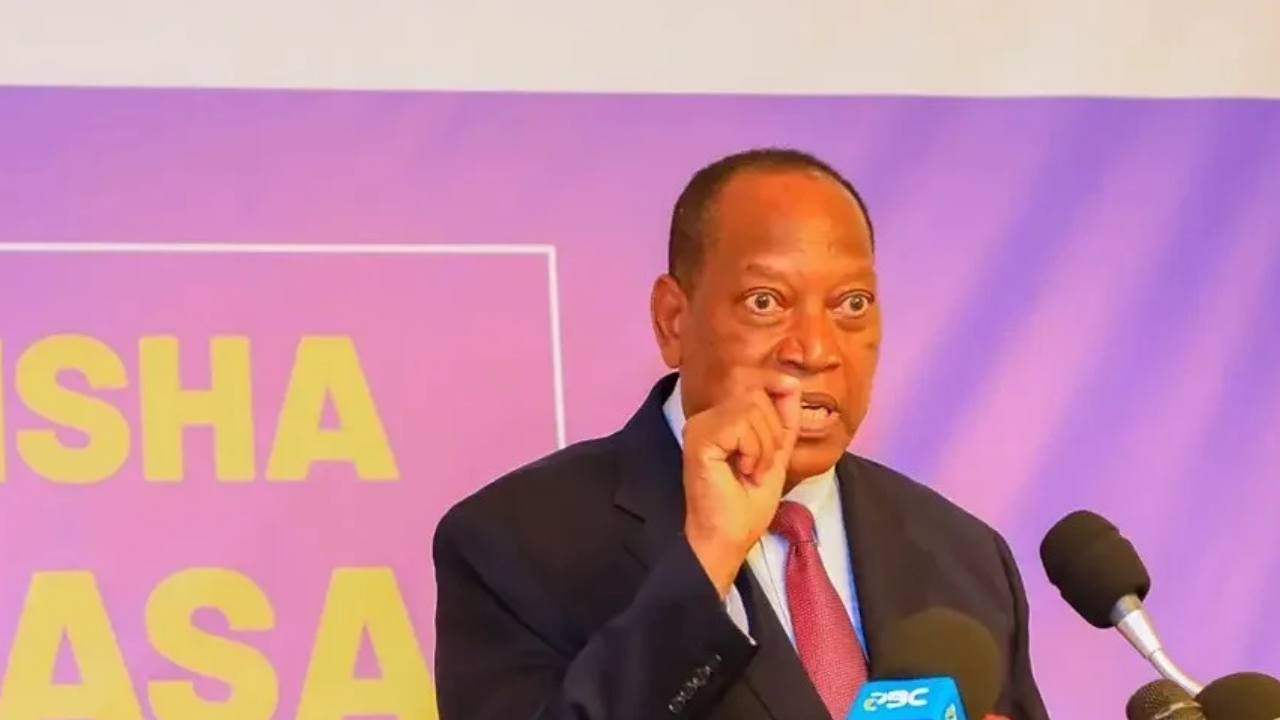

Kinondoni Municipal Council’s on May 28, 2026, through its mayor, Mr. Songoro Hamis Mnyonge, ordered to forcibly remove people who beg from the streets of Kinondoni, This is part of a growing wave of municipal crackdowns against the city’s most vulnerable residents. The order should spark a fierce debate over human dignity, colonial-era laws, and the true meaning of urban progress.
While officials defend the move as a necessary step for public safety and urban order, the policy is a cruel attempt to prioritise urban aesthetics over human lives, effectively treating poverty as a crime.
Kinondoni is not alone in this approach; the neighbouring Ilala District has enacted similar by-laws targeting those experiencing poverty. These measures are often remnants of colonial systems designed to control and punish Africans in urban spaces.
By forcing the poor out of public view, the council is creating a cruel illusion of order for wealthy residents and investors while leaving the underlying causes of suffering unresolved. “Poverty is not a crime,” says the Campaign to Decriminalise Poverty and Status, asserting that those struggling to survive deserve protection rather than harassment.
The reality on the streets
The crackdown comes amid significant economic hardship. According to 2026 labour market data, formal employment accounts for less than 30% of total jobs in Tanzania. With 68% of the population living on less than USD 4.20 per day, and average wages covering only half of basic living costs, many are left with no choice but to engage in informal trading or begging to survive.
For many people, soliciting alms is a last resort. The Tanzanian crackdowns fly in the face of several legal precedents. Courts in neighbouring Uganda and Malawi have noted the undemocratic and unconstitutional nature of Penal Code offences related to vagrancy, including begging offences.
The African Court on Human and Peoples’ Rights, in a 2020 Advisory Opinion, ruled that vagrancy laws are discriminatory because they target individuals based on their economic status and called on all states to repeal such offences. Similarly, the African Commission’s Principles on the Decriminalisation of Petty Offences in Africa addresses arrests for minor offences and the arbitrary enforcement of penal laws against persons based on their vulnerability, including those engaged in life-sustaining activities. Member States are called on to address the root causes of marginalisation, including poverty.
Indian courts have highlighted that criminalising begging is a wrong approach to deal with the underlying causes of the problem. It ignores the reality that people who beg are the poorest of the poor and marginalised in society. Criminalising begging violates the most fundamental rights of some of the most vulnerable people in our society, who lack access to necessities. Indian and Irish courts emphasise that the offence of begging discriminates between rich and poor and violates the right to express oneself and communicate one’s needs.
Rather than punitive crackdowns that push people into more dangerous, hidden conditions, advocates are calling for a pivot toward long-term social protection.
Proposed alternatives to forced removals include investing in:
- Shelters and family support systems.
- Mental health and disability support services.
- Sustainable employment and economic inclusion programs.
- Eliminating poverty.
A city should be judged by how it treats its most marginalised, not by how effectively it hides them. Human dignity cannot depend on a bank account.
Chikondi Chijozi works for the Southern Africa Litigation Centre (SALC) and Jebra Kambole works for the Organisation for Promoting Human Rights (OPH).The opinions expressed here are the writer’s own and do not necessarily reflect those of The Chanzo. If you are interested in publishing in this space, please contact our editors at editor@thechanzo.com.