
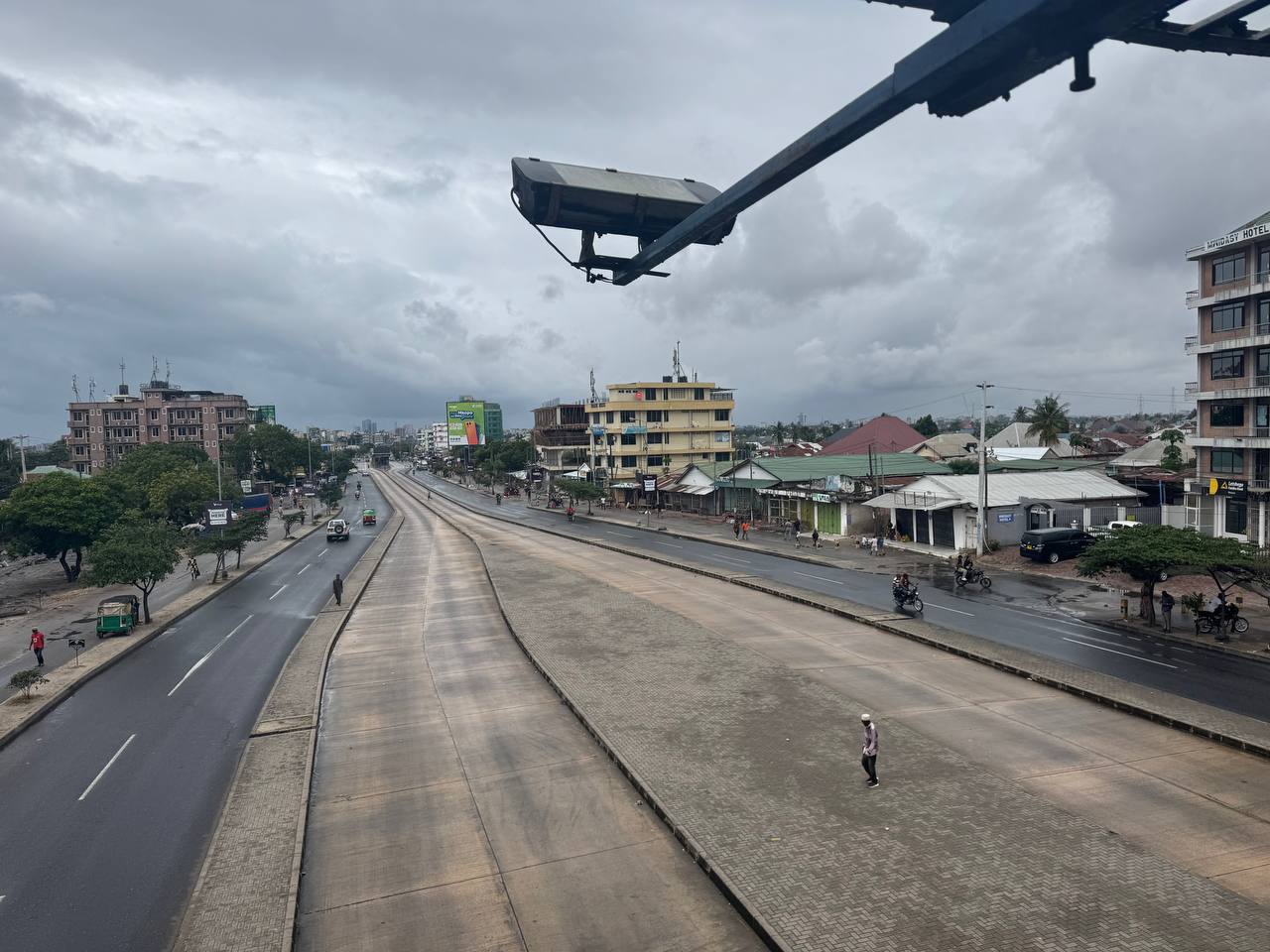
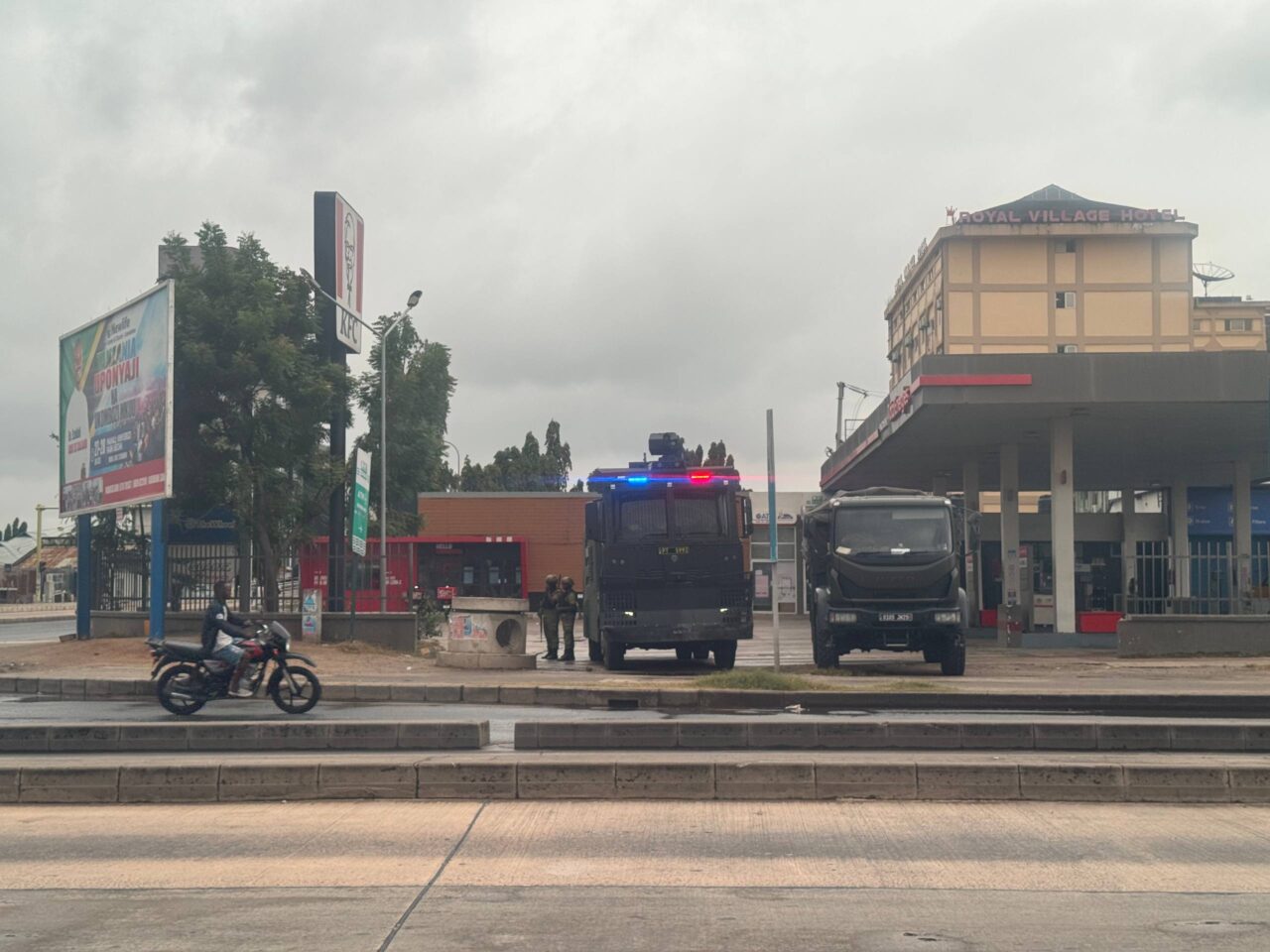
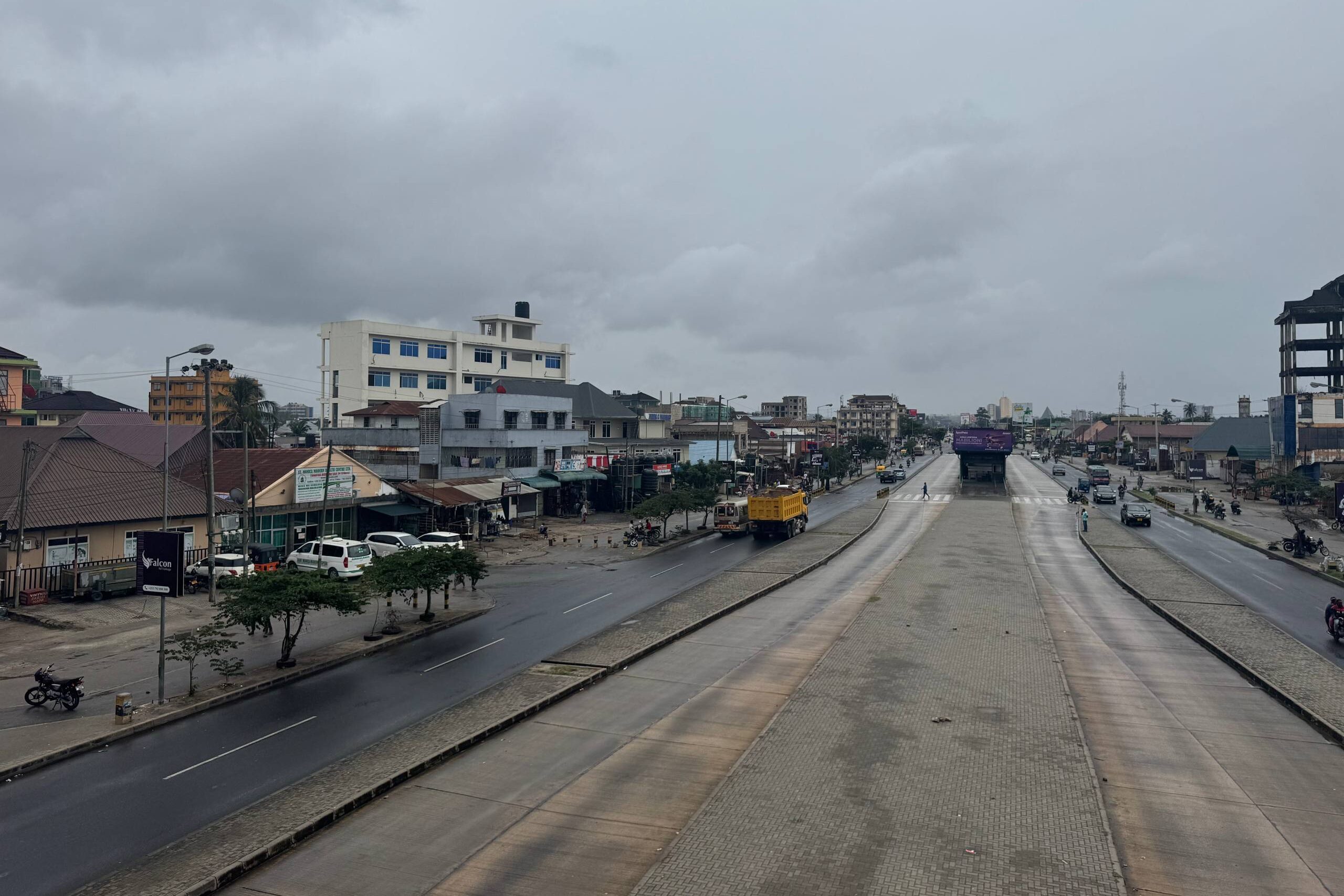
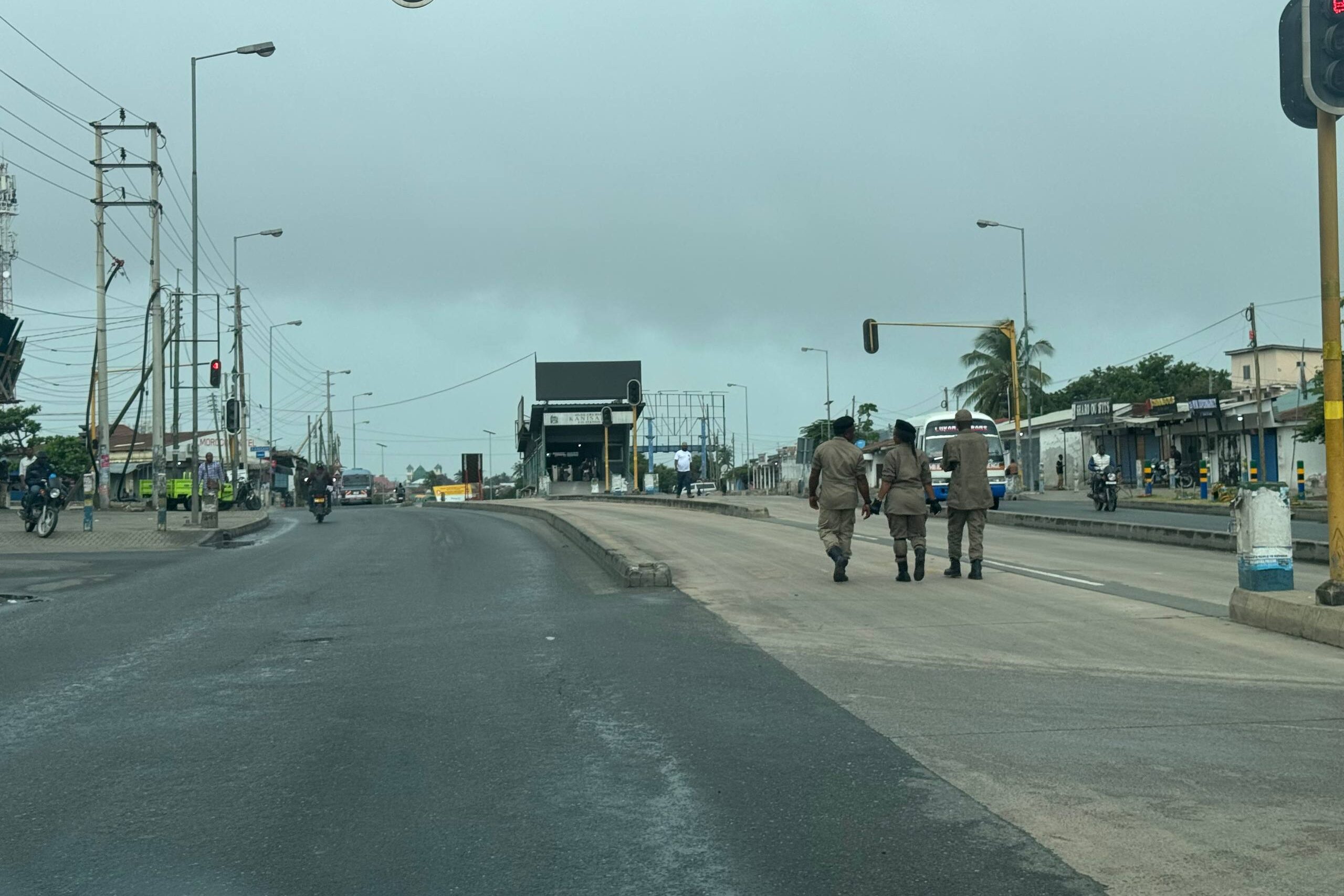
On July 7, 2026, major cities across Tanzania went quiet on a day that was expected to be filled with activities. Streets were empty, and many shops remained closed. For someone new to Dar es Salaam, the ease of driving across the city would have been striking. Even more noticeable was the heavy security presence, with police and soldiers stationed at almost every intersection.
Beneath the silence, however, was something else: fear and confusion. The day came after activists on social media announced plans for demonstrations, the Saba Saba (Seven-Seven) demonstrations. Police authorities argued that the planned protests were intended to assassinate leaders, seize weapons, and cause chaos.
There were no protests on the streets. Instead, many people chose to stay home, influenced by memories of the October-November 2025 election aftermath, when civic demonstrations turned deadly. Security forces responded with a heavy crackdown on civilians, the consequences of which remain unresolved, with some families still searching for relatives who disappeared from hospitals and streets.
Nothing illustrated the prevailing atmosphere more clearly than the scenes at Dar es Salaam’s Bus Rapid Transit (BRT) stations. At several stations, police and soldiers could be seen standing guard, while the usual crowds of passengers were nowhere to be found, an unusual sight for stations that are normally packed regardless of the weather.
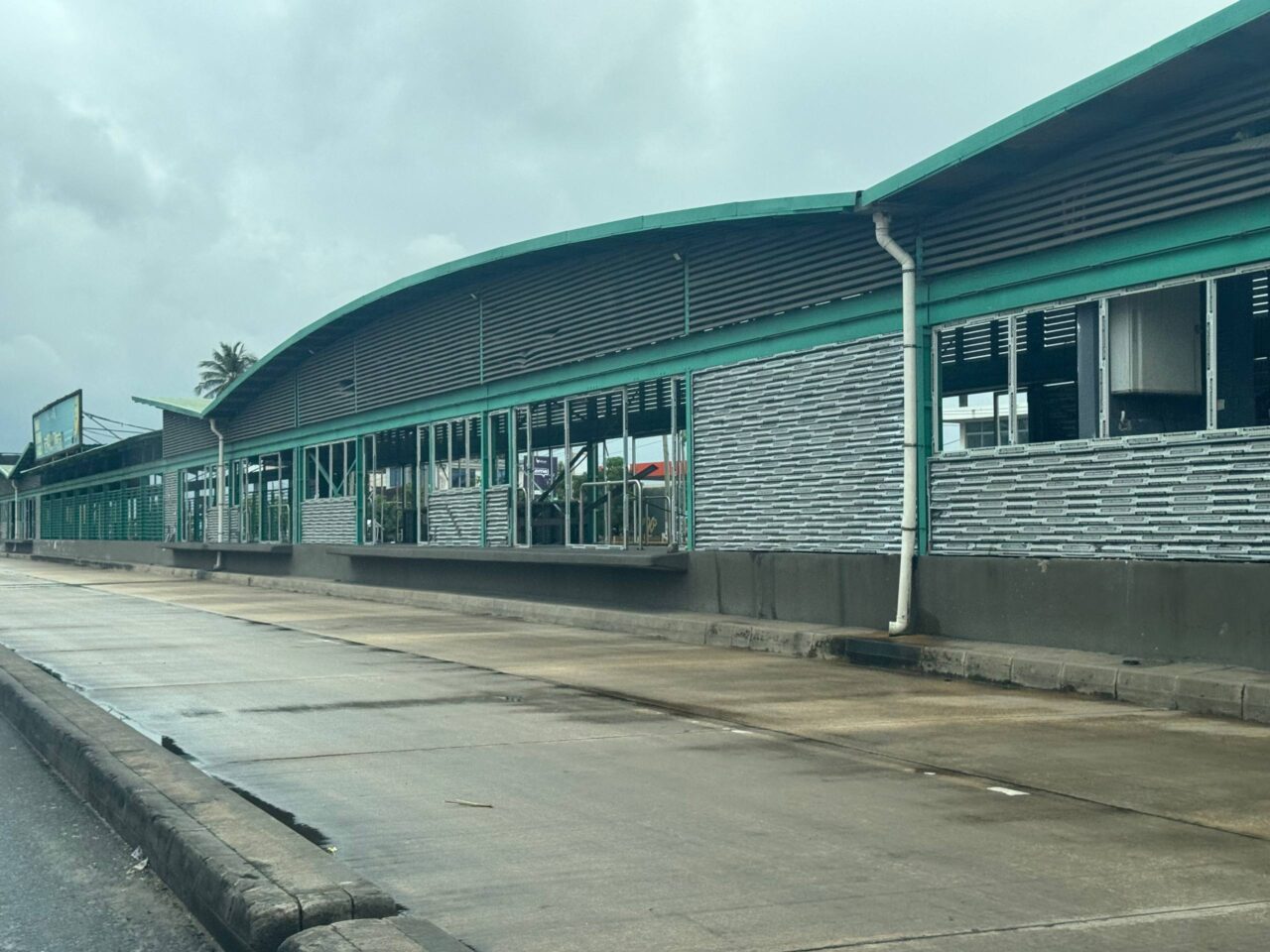
Outside many stations along Morogoro Road, broken glass windows remained visible, a reminder that repairs from the October-November protests have yet to be completed.
“People were expected to come out today to showcase various products and services and explore available opportunities. Instead, however, the day has turned into one of mourning and sadness. Anyone moving around this morning can see it: the roads have very few cars and people, while the police presence is overwhelming,” Dr Baruani Mshale, a researcher and governance expert, told The Chanzo on July 7, 2026.
He added: “It creates the same atmosphere as the period following October 29, reminding people of what happened during that time. Rather than being a day to reflect on what we should do to improve our business environment, it has instead become a day of recalling grief and pain that many people continue to endure.”
Crisis
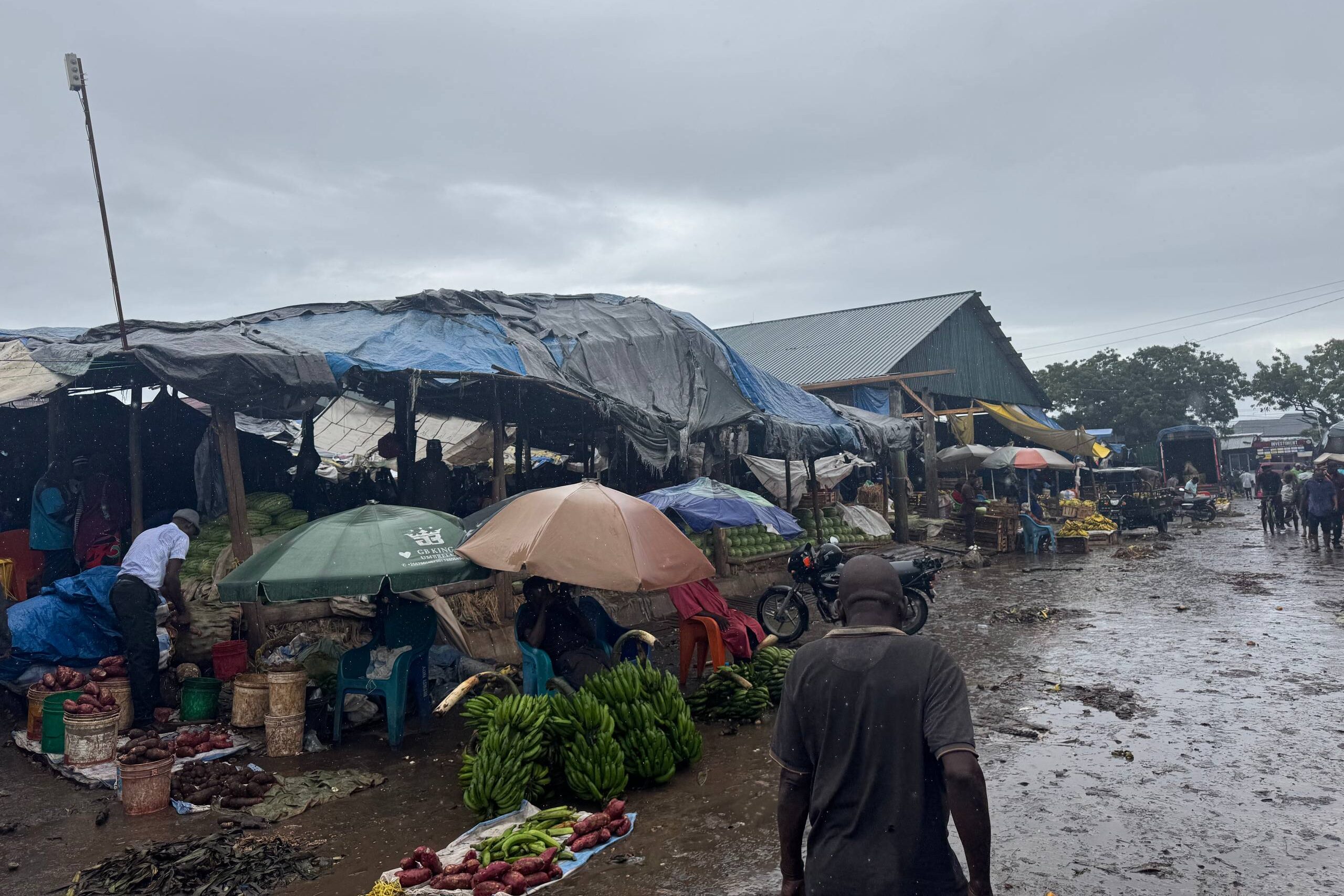
At several markets visited by The Chanzo on July 7, 2026, traders were still discussing the previous day’s business boom, when many consumers rushed to buy goods amid uncertainty over what might happen on the day of the planned demonstrations.
Many vendors had brought out only limited stock, while the number of buyers was lower than usual.
“Yesterday there was no resting,” one pineapple vendor at Mabibo Market told The Chanzo. “This whole area was full of people moving around; it was even difficult to pass through,” he said.
A potato seller told The Chanzo that he had enjoyed a windfall the previous day and decided to use July 7 as a rest day, bringing out only a small amount of potatoes for sale.
“But I have also noticed that Tanzanians seem to have become accustomed to this situation. For the past three weeks, we have seen soldiers and police deployed on the streets, yet people do not seem bothered anymore,” Fortunata Kitokesya, a lawyer and political analyst, told The Chanzo on July 7, 2026.
“It is as if everyone is simply carrying on with their lives. We have already adapted to this reality. However, this should not be allowed to continue for too long,” she added.
Although the planned protest had no clear leader or focal person, the main issues raised across various discussion platforms were calls for accountability following the October-November 2025 crisis and demands for political reforms. The police, meanwhile, warned that protesters were planning to assassinate leaders and steal weapons, claims that many Tanzanians viewed as extreme and difficult to believe.
Analysts argue that the current impasse is rooted in a political system that has failed to respond to citizens’ concerns and resolve longstanding grievances.
“The government is responding to someone, perhaps they know who that is, but ordinary citizens do not. From our perspective, it feels like a game of cat and mouse, except we can only see the cat; we do not know who the mouse is,” Kitokesya argued.
Speaking on July 7, 2026, Home Affairs Minister Patrobasi Katambi highlighted what he described as the success of the day, arguing that Tanzanians had joined the government in protecting national peace. However, he acknowledged that some citizens had chosen to remain at home.
“Citizens have taken responsibility for protecting their country, and they have rejected those inciting violence. You have seen various business activities continuing; citizens have come out in some areas,” Minister Katambi said.
“While in other places they have decided to stay away and rest, they saw there was no reason to join people with ill intentions, because when we are seen associating with them, it may appear as though we support those who have made reckless statements against our nation,” he added.
This was the second major incident following the October 29 crisis. The first occurred on December 9, 2025, when activists called for demonstrations demanding accountability over the election crisis.
Unlike this latest incident, during the December demonstrations, the government urged citizens to remain indoors unless they had a reason to go outside. This time, the government attempted to assure citizens that the environment would be safe. However, the atmosphere of fear still pushed many people to stay home.
Generation challenge
Analysts who spoke to The Chanzo pointed to a political system that has failed to respond to citizens’ concerns as one of the main drivers of the current situation. They argue that the system has reached its limits, with frustrations increasingly amplified by the expectations and demands of a younger generation.
“There is a total collapse of the political system. And when the political system has collapsed, it means that nothing will move forward, not even for one day. We will continue to remain in this situation, living under the shadow of fear,” Kitokesya told The Chanzo.
Among the immediate concerns highlighted are the issues that contributed to the October 29 crisis, as well as demands for accountability following the unrest.
The presidential commission of inquiry report identified political grievances as among the major causes of the October unrest, including demands for a new constitution, complaints over the electoral process, and conflicts within political parties.
On economic issues, the report highlighted the rising cost of living, unemployment, and unequal access to opportunities as key sources of dissatisfaction. Social concerns identified in the report included corruption, embezzlement, abductions, and disappearances.
Analysts noted that many of the issues identified in the report remain largely unresolved, including abductions. Recent incidents cited include the attempted abduction of David Djumbe, an aide to an opposition leader, by armed individuals on May 20, 2026, as well as the abduction and killing of Arusha businessman Abdillah Mussa on February 12, 2026.
“Young people feel that their lives are becoming increasingly difficult. At the same time, they see that opportunities exist and that the economy is growing. However, these economic gains and macroeconomic improvements are benefiting only a few people,” Dr Mshale argued.
“As a result, they feel that even the decision-making system, the process of developing policies, guidelines, strategies, and so on, does not serve ordinary citizens. Young people are therefore losing trust in the political system.”
He continued: “And because the mechanisms that make the system work are also failing, because elections have been undermined and avenues for participation have been restricted, whether through the media, public meetings, or community gatherings in urban and rural areas , these spaces are no longer accessible to young people.”
“That is why they resort to methods that may be viewed as undesirable, such as strikes and protests. It is because the system does not serve them. The system is not working for them,” he concluded.
Many analysts argue that Tanzania’s demographic changes are an important factor in understanding the current tensions. Approximately 77 percent of the country’s population is below the age of 35, with a significant proportion being young people between the ages of 14 and 29.
This group, commonly referred to as Generation Z (Gen Z), is estimated to number around 21 million people, representing about 30 percent of the population, with roughly 70 percent already eligible to vote.
Tanzania’s historical trajectory had suggested a gradual movement toward greater openness, inclusiveness, and competitive politics. This generation, together with those born in the early 1990s, grew up in an environment where political pluralism was expanding. Many are less connected to historical narratives surrounding independence politics or traditional loyalty to the ruling party based on its role in the independence struggle.
For the country to move toward political closure, reduced competition, increased security responses linked to politics, declining human rights protections, and weakened rule of law represents a significant departure from the expectations of this generation.
This disconnect is further intensified by the fact that today’s young generation is shaped not only by national realities but also by global trends, a phenomenon discussed recently during the Tanzania Democracy Forum held on July 9, 2026.
“We now have a generation that does not listen to speeches, is not afraid of curses, and does not obey elders simply because of their age. That generation you keep hearing about is what is called Gen Z,” Bishop Benson Bagonza, a prominent religious leader and governance commentator, said during the forum.
“These changes in society require a change in mindset and in the way leadership is viewed. These young people need to be engaged through arguments, data, and facts about what is happening. The use of force, bullets, grenades, and propaganda fuels rebellion more than it encourages young people to listen or become curious,” he concluded.
Re-igniting Hope?
Political comedian and TikTok creator Gasper Kagonda, who belongs to the same generation, also warned that young people need an outlet that can be found through the restoration of a vibrant political environment.
“Young people are wandering around with no place where they feel they can speak out. When they do speak, they face intimidation. They are threatened and told they could disappear, be abducted, or face various other forms of harassment,” Kagonda told conference participants.
Kagonda has become known for TikTok videos addressing corruption through the use of euphemisms, including referring to Tanzania as “Malawi” in his skits to avoid directly mentioning the country.
“During the Saba Saba period and yesterday, I was online scrolling through TikTok livestreams. Right now, when it comes to calls for demonstrations, young people are beginning to feel that it is not working,” he said.
“So what worries me is that they may start wandering around and looking for other ways, which could turn out to be bad, or perhaps good. It all depends on who reaches them, appeals to their reasoning, and shows them a path. Whether that path ends up being good or bad will depend on that,” Kagonda cautioned.
As part of his proposed solution, Kagonda called on the government to take responsibility for meaningfully engaging with young people and implementing necessary reforms.
“Given the situation we are in, the first thing that needs to be done is to use wisdom, not force. Both sides involved in this tension should make wise decisions to ensure it is brought to an end,” Kagonda explained.
“Another important step is to strengthen democracy. Political parties should be allowed to operate freely. When people have the freedom to express themselves, situations like these are less likely to occur.”
“People will no longer feel the need to resort to insults because they will have channels through which to present their grievances within political parties,” he added.
Many stakeholders argue that Tanzania needs to restore a sense of hope by opening political space, strengthening human rights protections, ending abductions and disappearances, and ensuring adherence to the rule of law. However, recent events have made many question whether such hope can be restored in the near future.
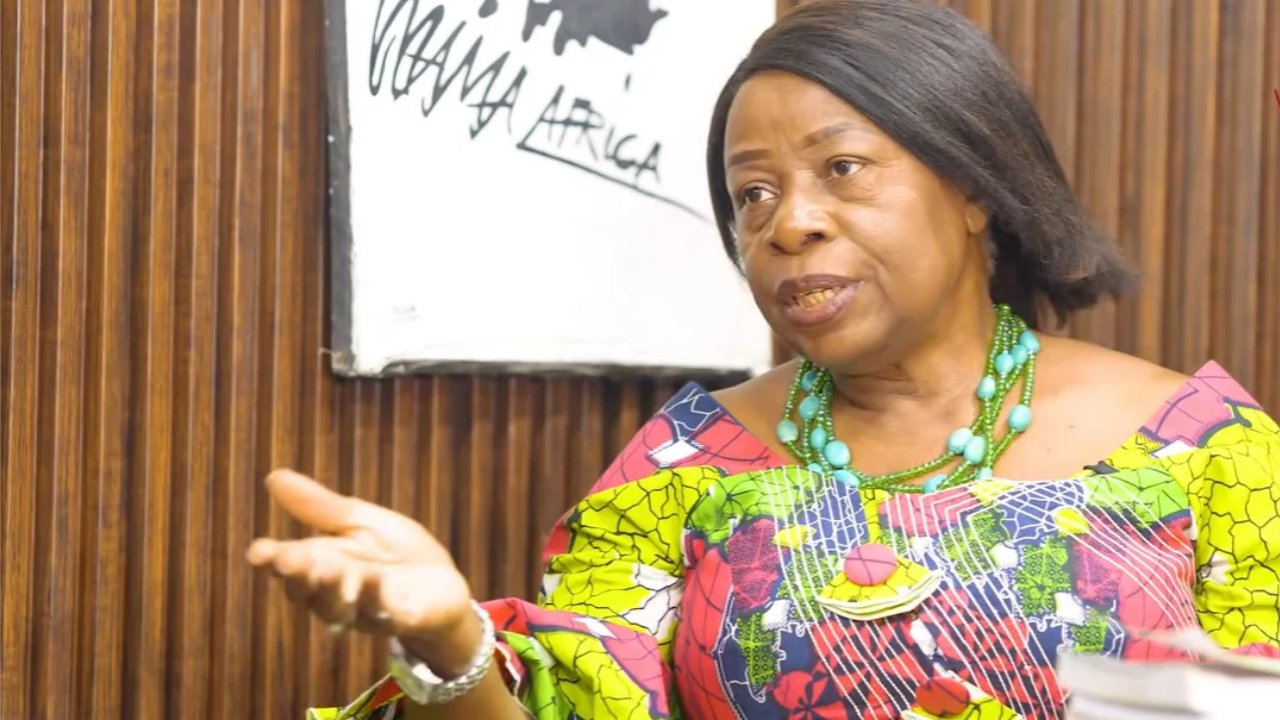
“There are no conditions that give us new hope. There are no circumstances; we have not created an environment that would give us new hope. And if there were new hopes, what would they be based on? The situation remains the same; it has not changed. It is becoming even tighter. There is no hope,” political analyst Fortunata Kitokesya told The Chanzo on July 7.
She added: “For me, I think we could continue with this situation for some time because you do not see any signs of change coming soon. We talk about reconciliation, but you do not see those reconciliation processes taking place. And if they do exist, they are not actually meaningful.”

3 responses
Bwana Kitokesya & the Chanzo do you really believe that Tanzania political system has totally collapsed? That is a total exaggeration on your side.
The country is functioning very well compared to many countries around us. Please, don’t lead us to what countries like Libya, Iraq et cetera where their countries performed until outsiders interfered in their affairs and found themselves where they are now.
Bwana Kitokesya & the Chanzo do you really believe that Tanzania political system has totally collapsed? That is a total exaggeration on your side.
The country is functioning very well compared to many countries around no us. Please, don’t lead us to what countries like Libya, Iraq et cetera where their countries performed until outsiders interfered in their affairs and found themselves where they are now.
Salum, don’t lash at Kitokesya’s independent thoughts much as you are equally entitled to yours as well.