
Tanzania is seeking to transform its growing pool of university and vocational graduates into a productive force for economic growth, with the government challenging public institutions and state-owned enterprises to take greater responsibility for preparing young people for the world of work.
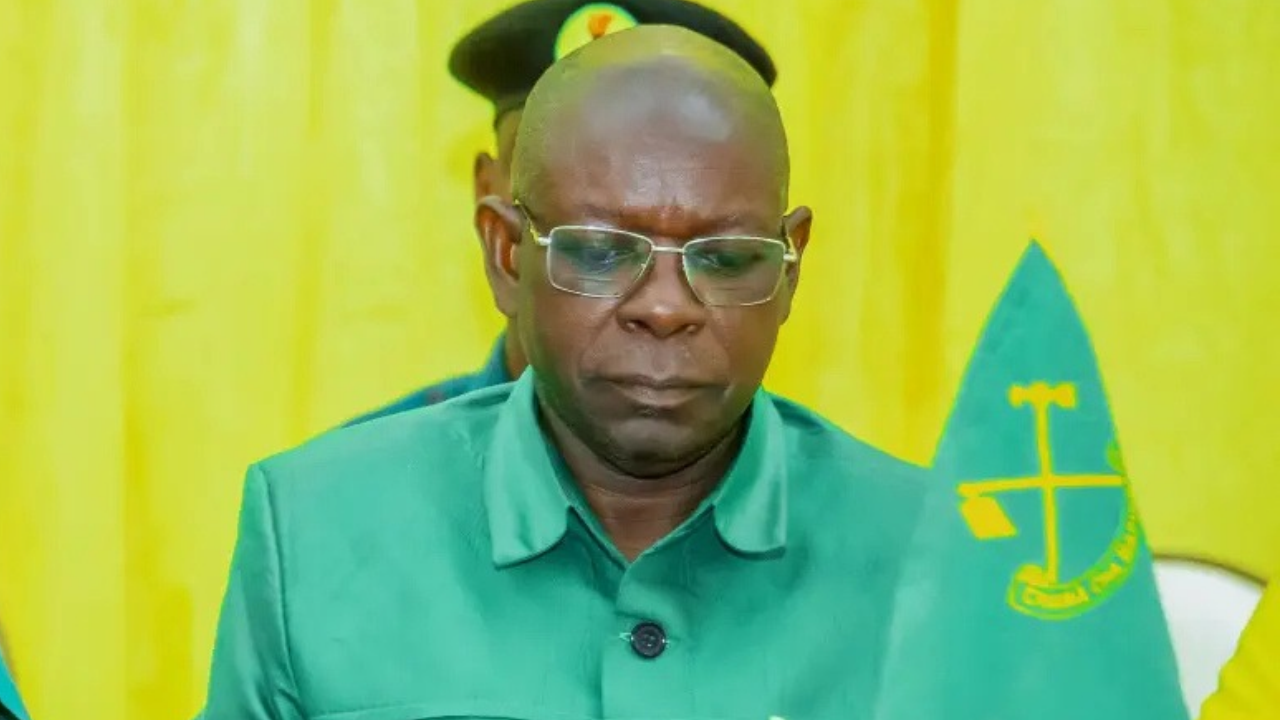
Vice President Deogratius Ndejembi said on Monday that Tanzania’s ambitions under Vision 2050 would depend not only on infrastructure and investment but also on its ability to equip young people with practical skills and connect them with opportunities to participate in the economy.
Opening the 2026 C-CEOs Forum for chairpersons and chief executives of public institutions and corporations at the Arusha International Conference Centre (AICC), Ndejembi said the country could not afford to leave thousands of graduates outside the productive economy simply because they lacked prior work experience.
He questioned the widespread practice of requiring young graduates to have three to five years of experience before being considered for employment.
“A graduate is told they must have three years, five years of experience. Where will they get that experience if our public institutions do not use their institutions to prepare these young people?” Ndejembi asked.
The Vice President said the issue was particularly important given the number of young Tanzanians entering the labour market every year.
According to figures he cited from the Tanzania Commission for Universities, at least 62,570 students graduated from universities and other higher education institutions in 2024. The figure does not include graduates from colleges, vocational institutions and other training centres, meaning the number of young people seeking to enter the labour market is considerably higher.
For Ndejembi, the challenge therefore goes beyond employment statistics. He said every graduate represents years of investment by families and the country, making it necessary to create a stronger transition from education to productive work.
“We need to build a strong bridge between the classroom and the workplace, between education and production, and between knowledge and the ability of young people to become self-reliant,” he said.
READ MORE: GAG Uncovers Appalling Waste of Hundreds of Billions in 12 Audited Parastatals
He called for the establishment of a National Youth Work Experience and Skills Programme, proposing that at least 30,000 young people be placed in opportunities to gain practical experience every year, with the number increasing over time.
Ndejembi also directed the ministries responsible for labour and finance, the Tanzania Revenue Authority, TaESA, TPSF, ATE and other stakeholders to develop a framework enabling private companies to provide at least 20,000 opportunities during the programme’s first year.
The target, he said, should increase by at least 25 percent annually, with recommendations expected within one month.
Tanzania already has several initiatives aimed at improving the transition from education to employment. Ndejembi cited the National Internship Guidelines, the National Internship Steering Committee and TaESA’s graduate internship programmes, as well as the Ministry of Agriculture’s Building a Better Tomorrow initiative.
He said the task now was to bring such efforts together under a larger national framework capable of matching the scale of the youth employment challenge.
The call comes as Tanzania seeks to accelerate economic expansion. Minister in the President’s Office for Planning and Investment, Prof. Kitila Mkumbo, said the economy is expected to grow from Sh238 trillion currently to Sh477 trillion by 2030/31.
The private sector is expected to contribute 70 percent of the required investment, while the public sector will account for 30 percent.
Mkumbo said public institutions and corporations would be central to creating the conditions for private investment to translate into production and employment.
The discussions at the forum therefore place Tanzania’s young population at the intersection of two national priorities: expanding economic production and creating pathways for young people to participate in it.
Under Vision 2050, the government is seeking to build a more competitive, inclusive and resilient economy. The success of that ambition, officials said, will depend increasingly on whether Tanzania can turn education into practical skills, skills into employment, and employment into productive economic activity.