
Dar es Salaam — Education Minister Adolf Mkenda has officially launched the Integrated National Digital Library System, or iNDLS, and urged the Tanzania Library Services Board to prioritise buying and distributing books over constructing new library buildings.
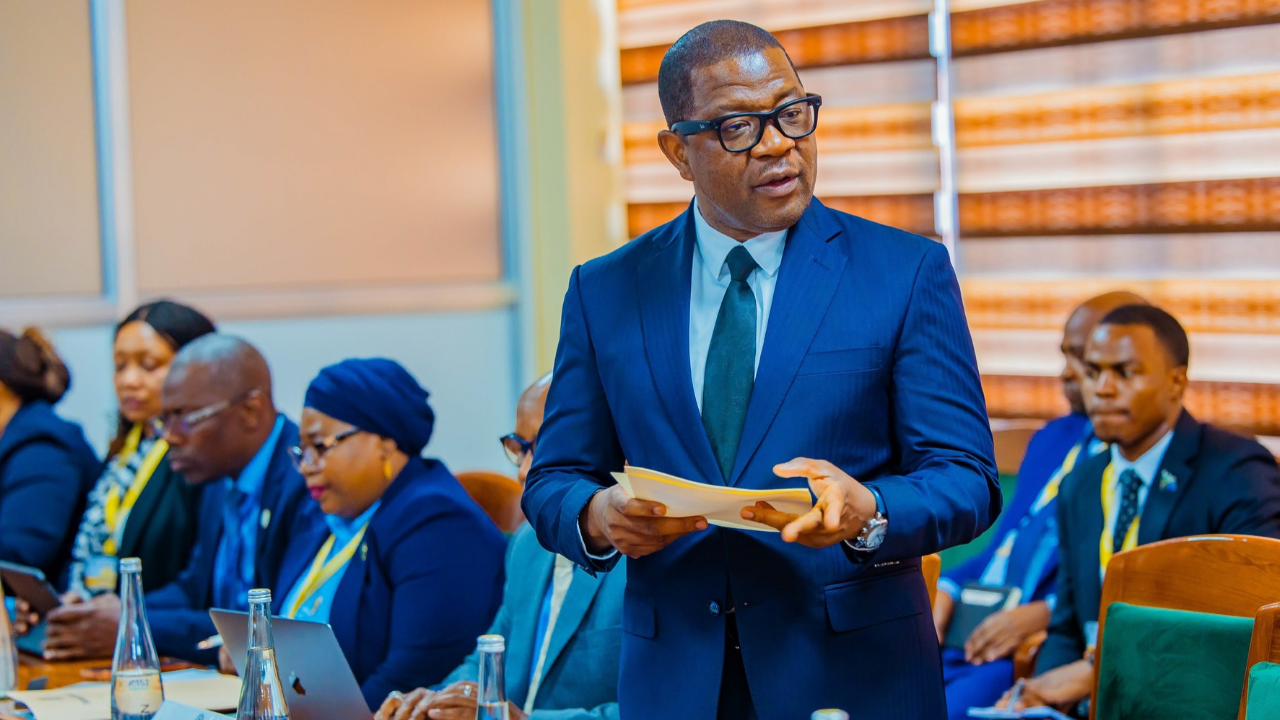
Mkenda launched the platform at the Fourth National Conference on Library Services, Book and Reading Festival at the National Library in Dar es Salaam, where librarians, publishers, writers, researchers and government officials gathered for a three-day event running from October 20 to October 22.
The system, developed by the library board with the e-Government Authority, is designed to bring together member registration, applications for ISBN and ISSN identifiers, cataloguing and lending management, billing and reporting. It can be accessed through web browsers and a mobile application.
The digital service is intended to expand access to publications and library information. However, TLSB Director General Mboni Ruzegea said before the conference that copyright restrictions mean not every title can be made available in full online, unless agreements are reached with rights holders.
The board has also said physical regional, district and community libraries will remain important for people without internet access.
READ MORE: Beyond Geopolitics: Why Africa’s Intellectual Independence Matters
In his address, Mkenda said the board should maintain repair work on existing facilities but channel funding previously used for new construction into books. “Let us shift more money into books; let us not build new buildings and stop buying books,” he said
He said purchasing local titles for distribution through public, school and community libraries could both widen reading access and create a more reliable market for writers, publishers and printers.
The minister also called on local authorities, schools, vocational-training institutions, faith organisations and communities to make space available for small public libraries, with the board supplying books.
He said the ministry would explore centralised subscriptions to online academic resources, which could reduce the cost for individual universities seeking access to journals and other research material.
Mkenda said government support for publishing should be administered transparently and with attention to publishers’ track records. “The government will stand with them,” he said of Tanzanian writers, including writers of plays, novels, poetry and short stories.
READ MORE: African Universities Urged to Reclaim Intellectual Leadership
He proposed that the ministry discuss a mechanism through which an unspecified share of education-book printing work could support established local publishers with a record of producing a range of titles.
The proposal was presented as a matter for further discussion and strategy development, rather than an announced procurement policy.
The policy emphasis comes amid long-standing challenges in access to books. UNESCO reported in 2025 that Tanzania had, on average, one bookshop for every 116,000 people and one public library for every 189,000 people.
The agency said distribution, access to books, support for local publishing and digital innovation remained central challenges for the sector.
The conference theme — improving library services through digital transformation while advancing knowledge and skills for sustainable development — reflects the board’s effort to combine online services with its statutory role of acquiring, organising and distributing library materials.
Beyond the iNDLS launch, the programme includes book exhibitions, children’s reading competitions and discussions on amendments to library-services legislation. TLSB’s official event notice says the conference would also consider how libraries can keep pace with technological change and the needs of users.