
Dar es Salaam-With limited school space, it is difficult to imagine that a small school garden could be more than a beautification project. But in mid-2025, Unubini Primary School decided to convert its flower garden into a vegetable garden to complement its school feeding programme.
As in many primary schools in Tanzania, visitors entering Unubini are greeted by a circular garden around the flagpole. In most schools, this space is planted with flowers or grass; at Unubini, it is surrounded by vegetables. The strips along the classroom verandas, where rainwater runs off the roofs, and the grounds behind the classrooms are all covered in green. The sight is still decorative and makes the environment pleasant, but the garden is no longer just for show: it is all vegetables.
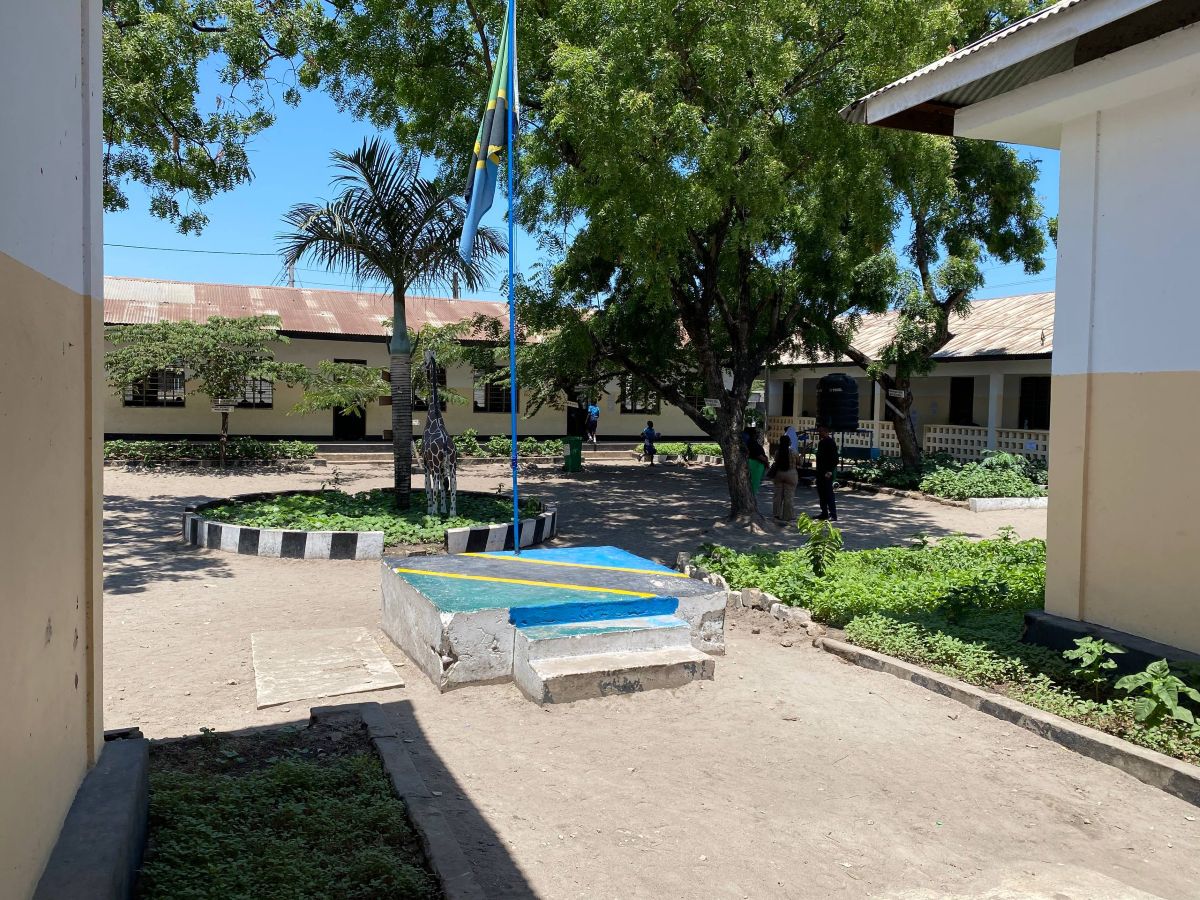
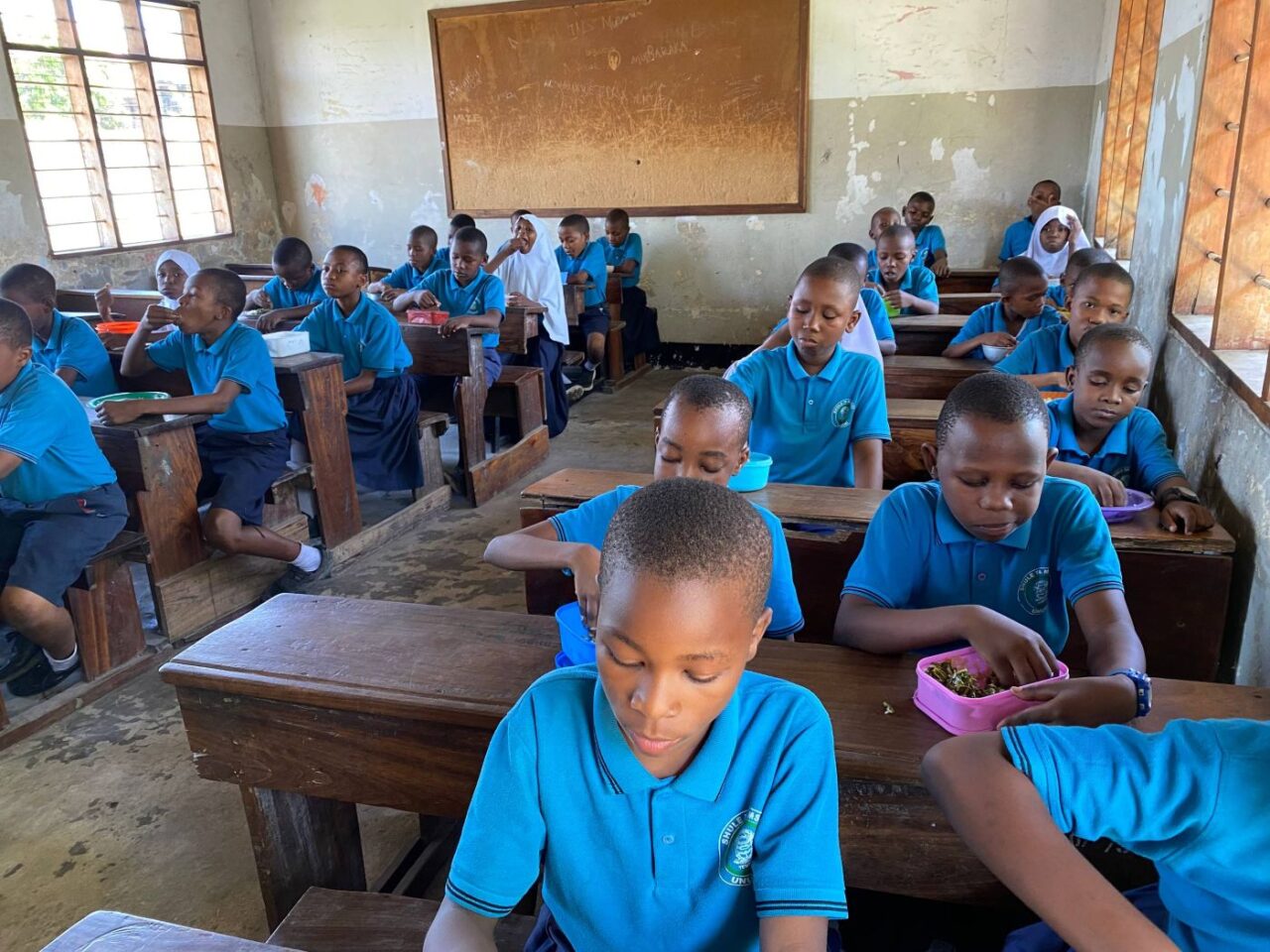
The garden now helps the school meet the nutritional needs of its roughly 670 students in a sustainable way. It also offers a learning experience for the students, who tend the garden and are now the main beneficiaries of its produce.
“We have enough vegetables here at school, we now eat vegetable daily,” said Taliki Salum, a Standard Five pupil at Unubini Primary School.
The school is one of 15 schools under the World Food Programme’s (WFP) urban school feeding initiative. The programme, supported by the Embassy of Finland, trained teachers, cooks, and local government officials on school feeding guidelines, nutrition, and food safety, and supported the introduction of innovative school garden models.
“We started this programme in 2025, right at the beginning of last year. Before that, all these areas were planted with flowers, but then we were advised that we needed to make a change: since our school provides meals, we had to reach a point where we could prepare the food ourselves, using our own vegetables,” explained Mathayo Mgwebati, Unubini’s head teacher.
Mgwebati said a WFP seminar inspired the school to make the change. Currently, about 53 percent of Tanzania’s 11.4 million enrolled primary school pupils receive meals at school, and Unubini, which falls under Temeke Municipal Council, has become one of the programme’s star schools.
Speaking during a stakeholders’ visit on November 04, 2026, to learn about the programme, Temeke Executive Director Jomari Satura said the school’s garden model could be replicated across the municipal.
“We are being transformed from thinking to implement school feeding you need very large investment. We have been shown that this school compound is very small, yet we have seen that vegetables can be grown here,” Satura said. “So, as Director, and working together with the council’s management, we will take what Unubini Primary School has done to other schools and ensure that this programme becomes firmly established across Temeke Municipality.”
The school has also switched to cleaner cooking equipment, which keeps the kitchen tidy and safe even though all activities take place in a very limited space.
National spending on school meals rose from USD 54 million (TZS 140.4 billion) in 2023/24 to USD 77.8 million (TZS 202.3 billion) in 2024/25, keeping Tanzania on track with its commitment to increase the school meals budget by 13 percent annually. Stakeholders stress that by working together, including pooling resources, Tanzania can reach its goal of making school meals the norm in schools across the country.
“We also know that feeding children at school is great for society and it really gives good results, and we need those in Tanzania for Dira 2050,” said Anna Merrifield, Finland’s Ambassador to Tanzania.
She added: “We really need local governments to work together with the central government and development partners, especially the United Nations World Food Programme (WFP). I think everyone coming together on this will yield great results and happier children.”