
Matemwe, Zanzibar — For many young people in Matemwe, a coastal village in North Unguja, the safest place for their future aspirations is in their own minds.
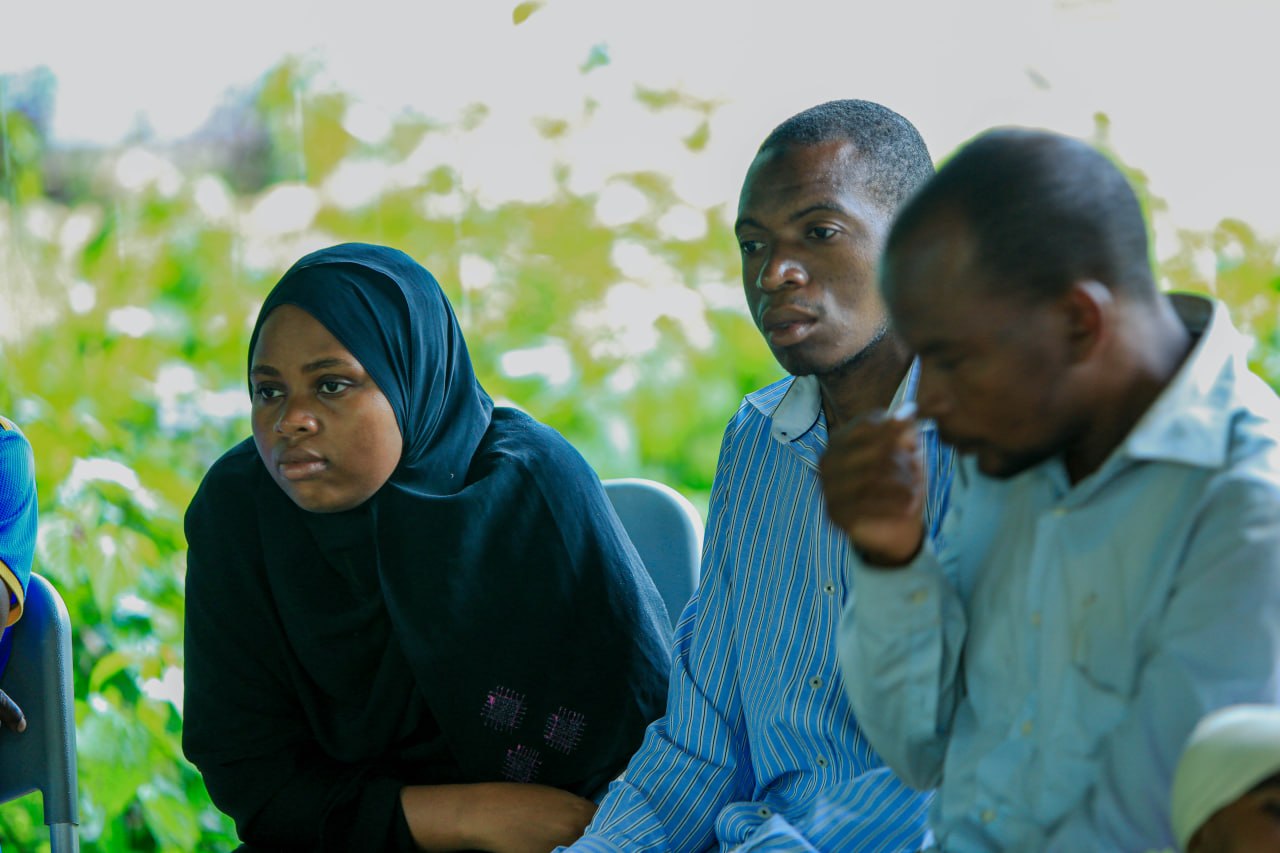
During a recent youth dialogue, participants overwhelmingly admitted to keeping their life goals secret, fearing that revealing them would invite sabotage from jealous neighbours or corrupt officials.
This culture of secrecy, rooted in a profound lack of trust, was a central theme during the fifth episode of the Dira Mtaani: Vijana Wanasemaje (Street Vision: What Are the Youth Saying?) programme.
The session, recorded on April 11, 2026, and published on April 21, was organised by The Chanzo in partnership with Twaweza East Africa, a regional non-governmental organisation promoting citizen agency and government responsiveness.
“I prefer to keep my vision a secret because of the environment we live in,” explained Abdallah Mohamed Peku, a resident of Matemwe. “If you make your goals public, you might face sabotage so that you don’t reach that goal.”
This sentiment was echoed by Munira Suleiman Mavune, who noted that revealing one’s ambitions often leads to being undermined by those who do not want to see others succeed.
READ MORE: Dira Mtaani: Tanzania’s Youth at a Crossroads—Legitimate Hustle or Illicit Shortcut?
Another participant, Hassan Ali Pandu Ali, shared a personal anecdote about facing inexplicable hurdles at immigration and airport security, which he attributed to malicious interference after he had been open about his plans.
Illusion of opportunity
While Matemwe is situated in a region rich with tourism potential and marine resources, the youth feel entirely disconnected from these opportunities.
The disconnect is largely driven by what they perceive as systemic corruption and nepotism, which they say dictate who gets ahead.
Participants expressed intense frustration over the hiring practices in the numerous hotels that dot their coastline. They alleged that local leaders, known as Shehas, often hijack employment opportunities meant for the community.
“When jobs come from the government or investors, the positions are given to the Sheha or the representative,” said Heri Alimati.
“When they arrive here, they grab them. They have their own specific people they have prepared… they take their own children and put them in those jobs.”
They are referring to a system where investors, such as those in the tourism sector, tell shehas, the local government administrative officers, to recommend youths from their ward to work on the respective investment as part of giving back to the community.
READ MORE: Dreams and Desperation: A Tale of Two Mbagalas
In Zanzibar, the shehas, those very powerful in determining people’s everyday lives, are not elected by the citizens, but are appointed by the government to represent it at the grassroots level.
Even when young people attempt to create their own opportunities through small businesses, they face insurmountable bureaucratic hurdles.
One participant described the impossibility of starting a small chips-selling business with a capital of Sh50,000, only to be confronted by government officials demanding a business license costing Sh100,000.
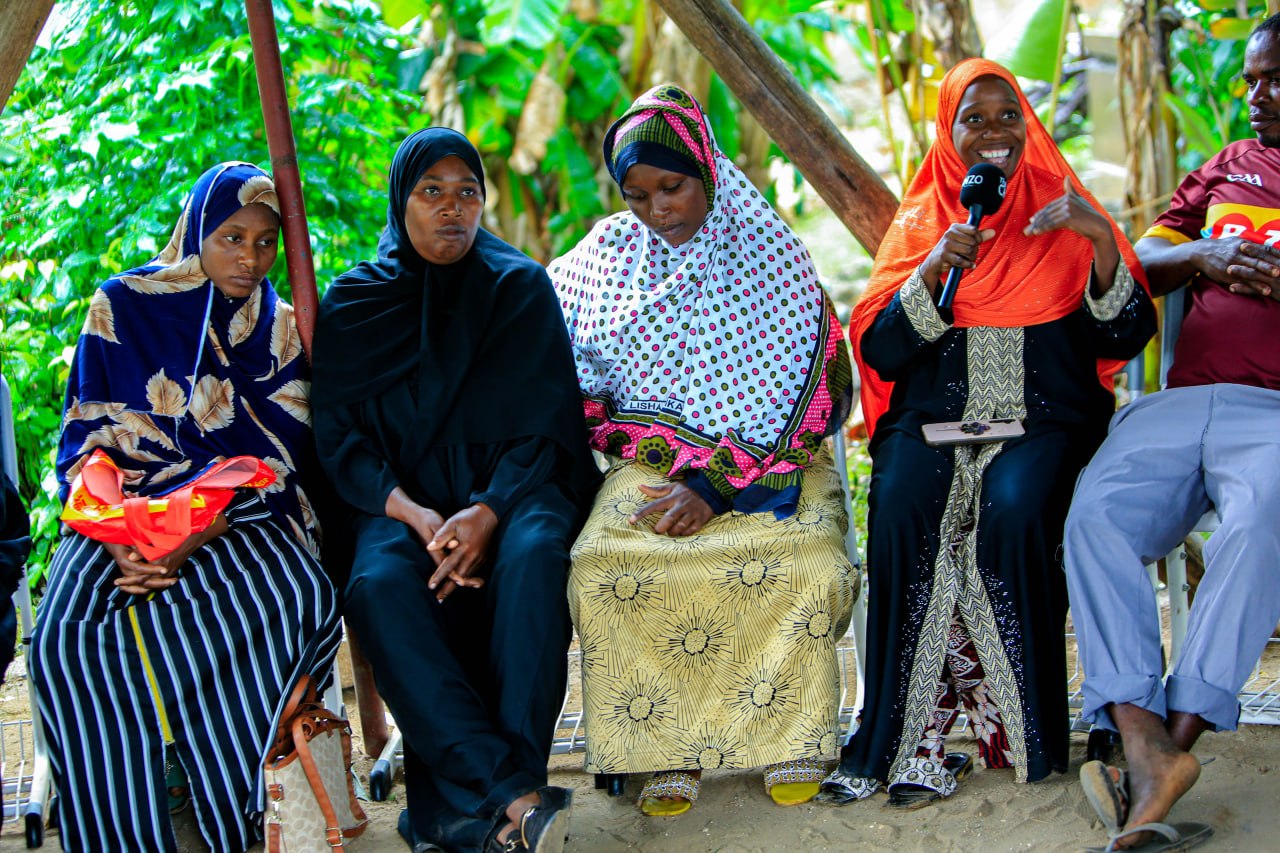
“First, you have to pay the Sheha, and the Sheha won’t give you a permit or a license without you paying him,” the participant explained, highlighting the predatory nature of local administration.
Land grabbing
The frustration extends beyond employment to the very land the community relies on. Participants detailed instances of land grabbing, where agricultural land containing valuable fruit trees was taken for investment projects with minimal or no compensation.
The drive to open up Zanzibar for investment has been reported to fuel land conflicts on the island, as well as the existence of constant tension between investors, government authorities, and residents.
READ MORE: In Defence of Tradition: Youth Challenge Critics of Coastal Customs
Major complaints have concerned allegations that authorities take areas that locals have been using for activities such as farming and give them to investors, without compensating the residents or allocating them alternative areas for their activities—actions driven by the difficulty locals face in proving ownership or use rights.
Fatma Mavune from Kandwi village described how farmers with 20 to 50 mango or citrus trees were paid almost nothing in compensation, while those without land somehow received millions.
“The money, I don’t know if these big government officials cut it or private individuals, but the rightful owner of the farm doesn’t get what they deserve,” she stated.
Another participant recounted how a relative with a farm containing 6,700 trees was forced to sign away the land by a local leader, leaving the owner destitute.

“The owner of the farm says, ‘Let me not be paid anything and let me not distribute anything, I am ready to die here,’” the participant shared, illustrating the desperation caused by these practices.
Direct engagement
The youth of Matemwe are not merely complaining; they have clear ideas about how governance should change. They expressed a strong desire for direct engagement with investors, bypassing the local leaders they no longer trust.
READ MORE: ‘Bribes or Bodies’: Tanzania’s Industrial Dream Leaves Youth Exploited and Excluded
“Investors from the south of Unguja, when they want an area, they go themselves; they don’t send leaders,” noted one participant, contrasting this with the situation in their region, where the government claims ownership of the land and marginalises the citizens.
When asked what they would do if they were in power, the youth emphasised the need for participatory leadership.
“If I were a leader, I would hold meetings with my citizens,” one young man suggested. “I would talk to them to know the life challenges facing them. I can’t do anything if I don’t get information about the problem from the citizens.”
Another participant, Zawadi, expressed a desire for a zero-tolerance approach to corruption, referencing the late President John Pombe Magufuli.
“I would cut down all the bribe-takers and the corrupt,” she said. “Because they are the obstacles for us at the bottom.”
As the government looks toward the Tanzania Development Vision 2050, the voices from Matemwe serve as a stark reminder that ambitious national plans will mean little if the foundational issues of trust, transparency, and equitable opportunity are not addressed at the grassroots level.