
A lot has been said and written about the Chande Commission and its submission. Much of this discourse, at least within the bubble that I could be accused of living in, has been critical or, at the very least, sceptical. There is a risk of repeating what others have said.
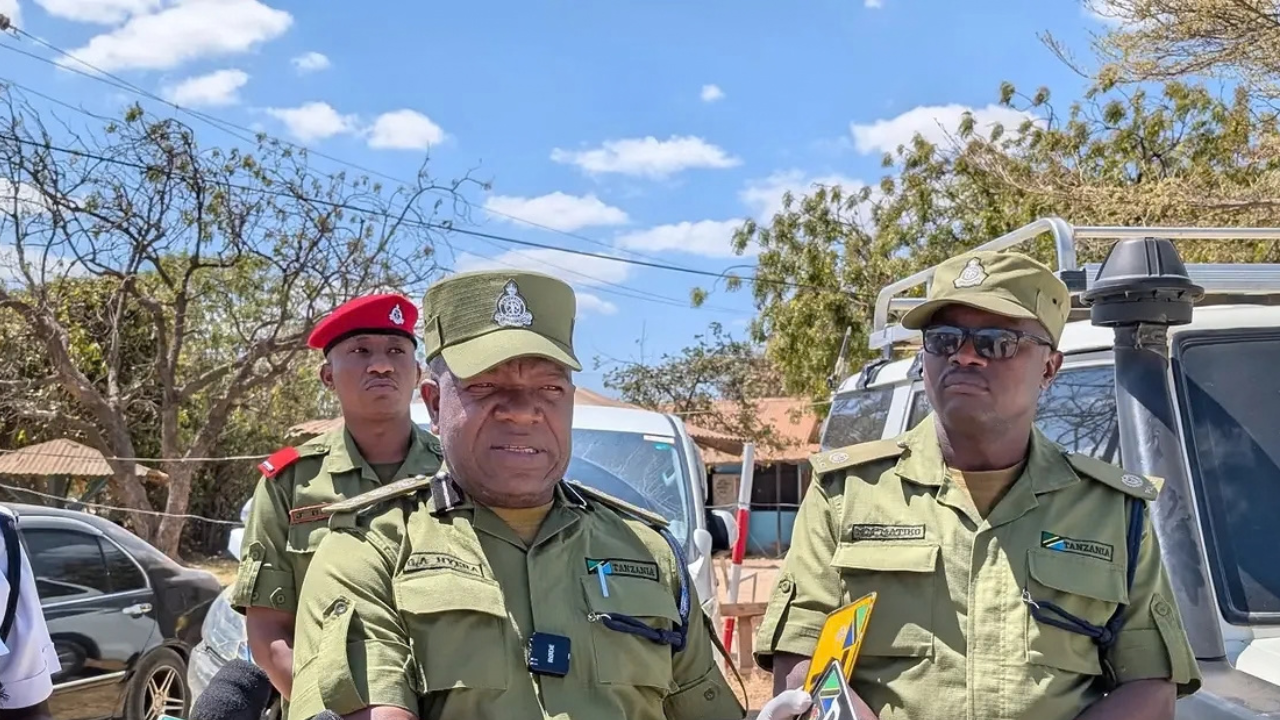
Still, one point has stayed with me since the report was handed to the President, and recent official comments about young people have only sharpened it. I have observed the disconnect between two generations: those sitting in the commission and those who were on the streets; those leading the country and those whose aspirations feel curtailed; the past and the future. The content and tone of the speeches at the presentation event starkly highlighted this disconnect.
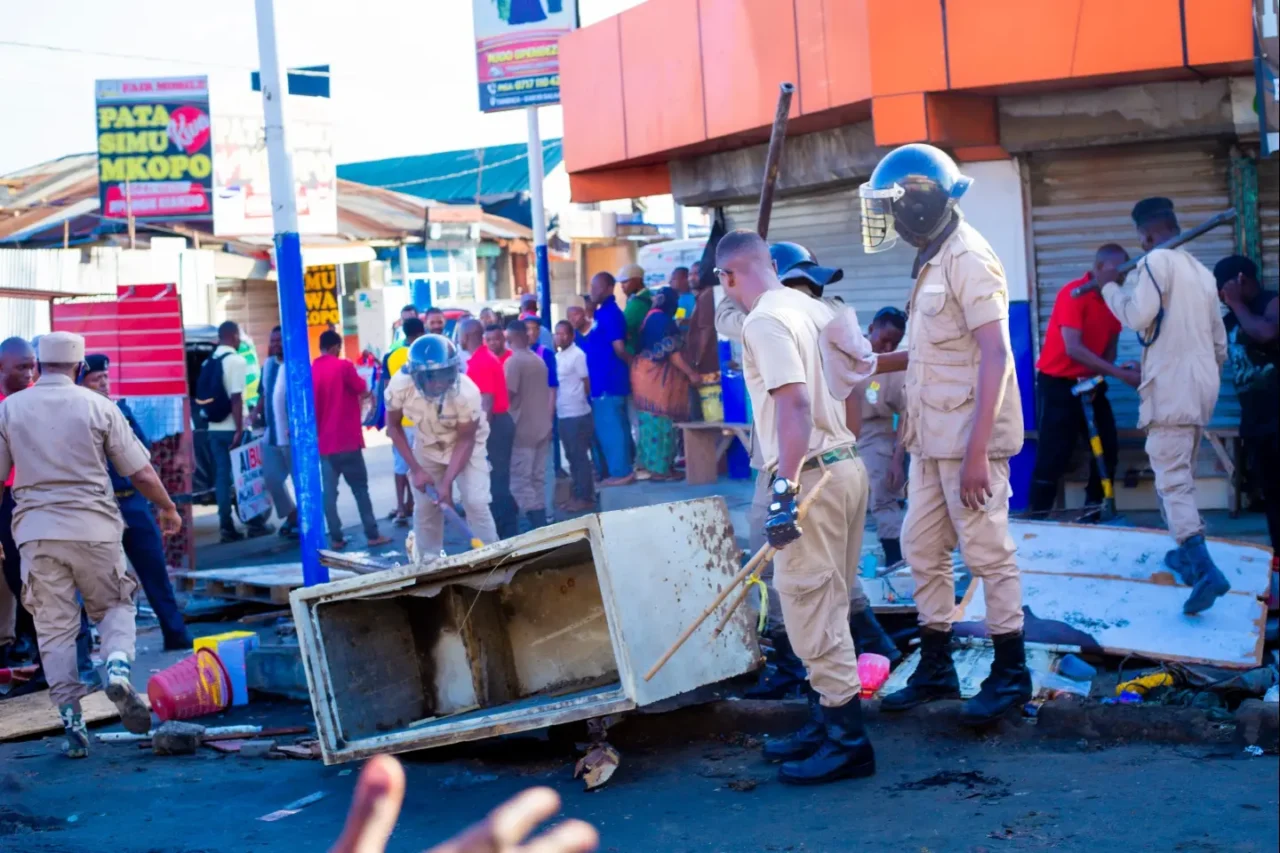
The commission’s submission acknowledged that the root causes of the October 29th violence lie in long-standing societal challenges. There are political demands around constitutional reform, multiparty democracy, and electoral processes. There are economic pressures, including unemployment, the cost of living, and rising inequality. And there are social grievances, including corruption, embezzlement and poor performance of public officials.
As someone who works in the field of democracy and development, I would agree with many of these challenges; after all, they have been the cornerstone of much of our work for decades. You know, the ‘activist’ work that is being blamed for manipulating citizen grievances!
Troubling findings
The section on triggers is more troubling. To me, it started to demonstrate the commission’s bias towards blaming demonstrators rather than seeking public accountability- another illustration of the disconnect between older public servants in the commission and the realities of youth frustration.
This bias could have been mitigated, or at least reduced, if the commission had been set up to be more inclusive and to include in its composition representatives of civil society, academia, religious organisations and, perhaps most importantly, young people themselves.
The commission pointed to the use of social media before, during, and after elections as one of the triggers, suggesting that it was particularly provocative because it was being used to organise, coordinate, and prepare protestors.
This raises a critical question: Is a protest only legitimate if it is unplanned, and why? Is citizen anger only credible if it is spontaneous?
Youth mobilisation and protests today increasingly thrive in the digital sphere. The use of social media to organise, discuss, and strategise should be expected, accepted and even encouraged. Just as our forefathers gathered around the bao board to plan their resistance to colonial oppression, today’s youth meet online.
We older folks may not understand it, like it, or keep pace with it, but that does not make online organising a ‘trigger’ for violence. Social media, digital platforms, and mobile phones are not triggers; they are tools. And these tools matter even more when older channels have been shut down, weakened, or lost the trust of young people
I once had the privilege of meeting Alaa Salah, the iconic young woman in a white toub who became a symbol of Sudan’s 2019 uprising. She said something about the uprisings at the time that has come back to my mind post October 29th: what may have looked to the outside world as a spontaneous citizen uprising in Sudan was in fact a result of several unsuccessful attempts at mobilising over many years; it was a result of coordination online and offline between many groups, associations, and individuals. It involved planning in advance as much as responding to immediate events. Citizen movements are built, not dreamt.
Legality and legitimacy
Another disconnect that struck me is the distinction between legality and legitimacy. The commission questioned whether the events during and after the October 2025 elections constituted peaceful demonstrations deserving protection under the law. They concluded that these were acts of violence rather than peaceful protests.
But that raises a deeper question: When laws are enforced selectively and with high levels of impunity, can they still be used as a reliable measure of what is right and fair? For example, would our liberation heroes across Africa have succeeded if they had followed the law as it stood then?
Ideally, any analysis on the legality of the protests and the state response needs to include an analysis as to whether the laws themselves are legitimate and represent the will and common good of the governed.
Today’s so-called Gen Z protests across the world share a common belief: a recognition that the current system does not work for, listen to, or include young people. As such, that system, including the laws and rules that uphold it, is often deemed illegitimate, even if technically ‘legal.’
READ MORE: Tanzania Inquiry Blames Planned Attacks for Election Violence, Opposition Calls It a ‘Cover-Up’
For that reason, many such protests focus on challenging the system that is clearly not working for them, rather than seeking its approval. While these protests may be deemed illegal according to the law, that does not render them illegitimate. This seems to be a hard truth for the commission, the government, and today’s leaders to face.
Let down
Young people are not inherently immoral or unpatriotic; many feel let down by a generation of leaders whose actions have fostered corruption and impunity, and stifled aspirations for too many for far too long. Such behaviours could equally be deemed as immoral and unpatriotic- if not more so.
If, instead, we try to view the system through the eyes of the younger generation and acknowledge our role in establishing, maintaining and benefiting from that system, we may start to find ways to bridge the divide.
Building a more equitable, inclusive and democratic country has to start with those of us with power and privilege, in all its forms, putting aside our paternalistic views and allowing the system to be challenged by those who feel left out.
Will we be able to do that?
Anna Bwana is Executive Director of Twaweza East Africa. She’s available at abwana@twaweza.org or on X as @BwanaAnna. These are the writer’s own opinions and do not necessarily reflect the viewpoints of The Chanzo. Do you want to publish in this space? Contact our editors at editor@thechanzo.com for further clarification.