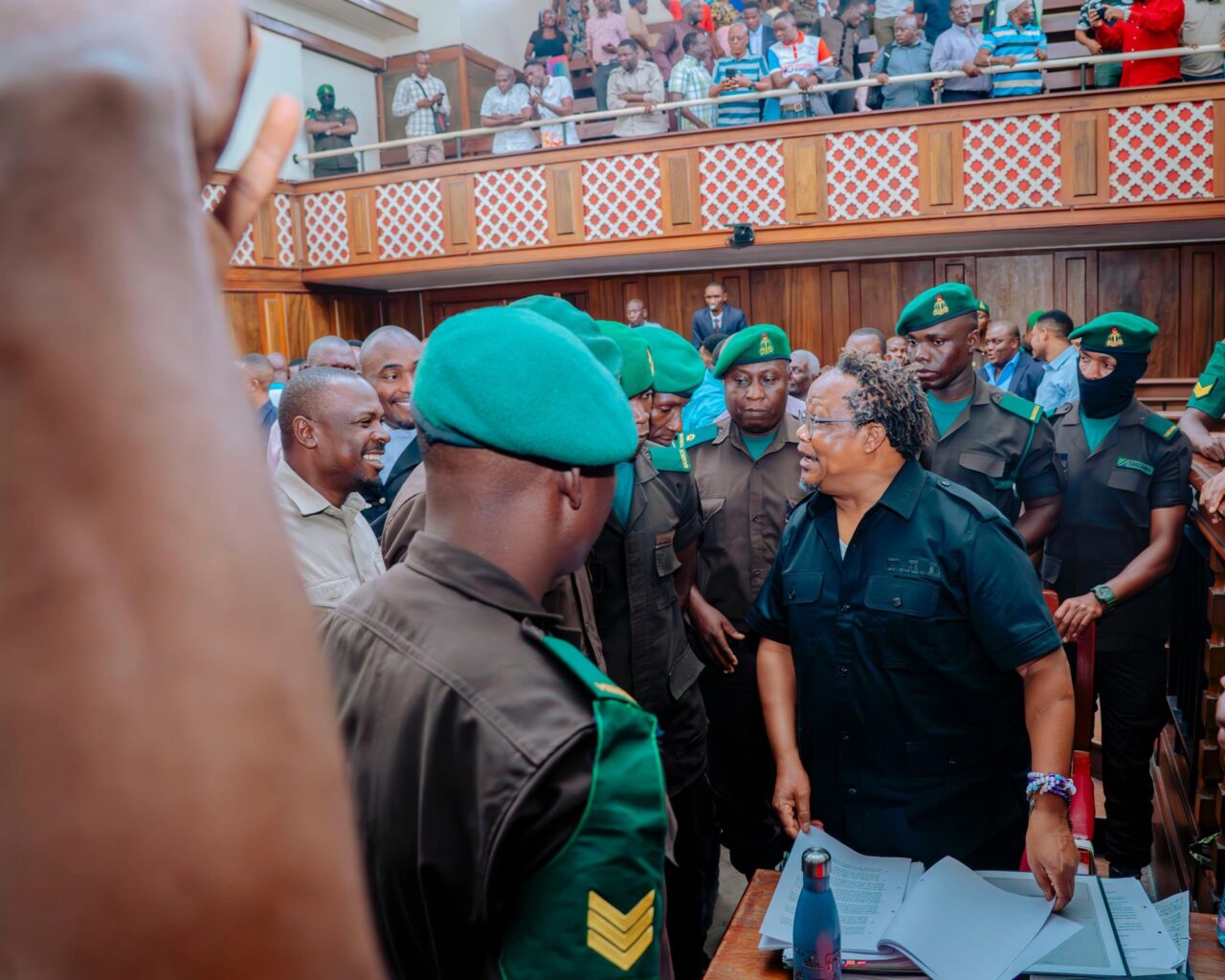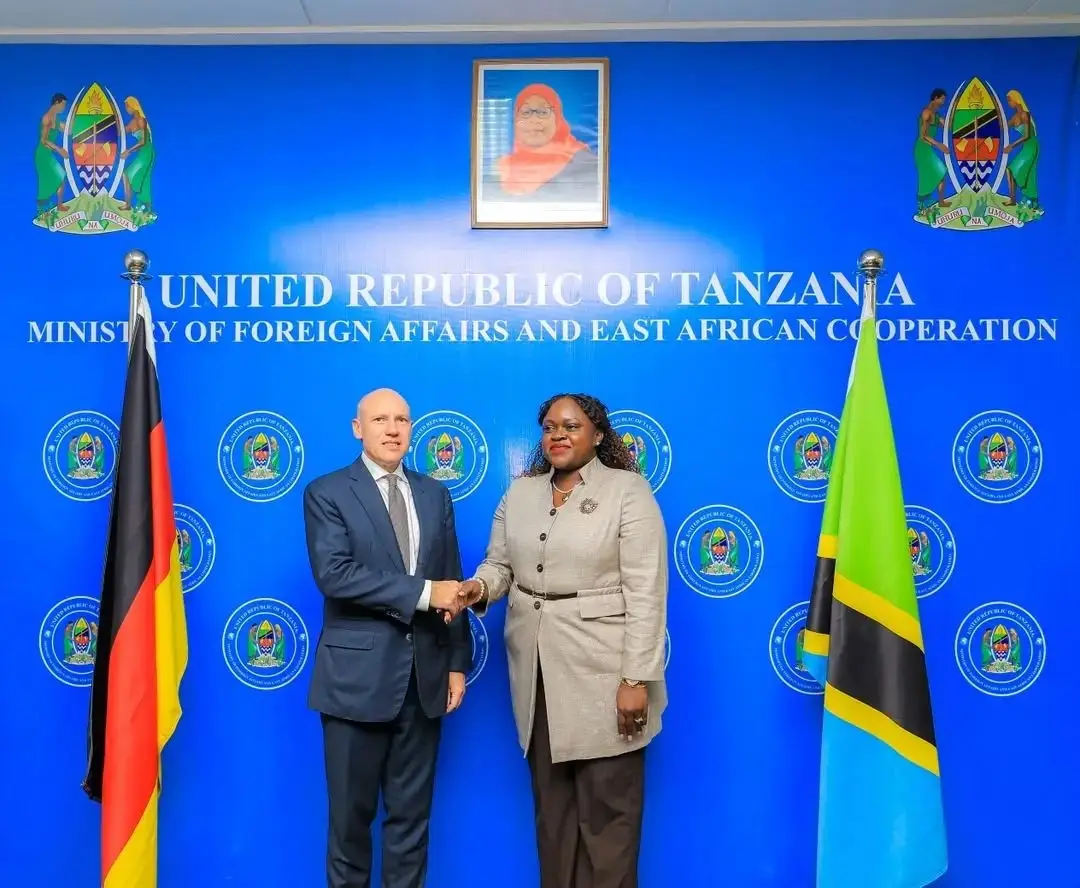

Dar es Salaam – The Registrar of Political Parties and CHADEMA held talks on June 1, 2026, at the opposition party’s Mikocheni headquarters to discuss gender policies and women’s participation in political parties.
Both parties insisted the meeting addressed gender issues exclusively, yet its timing amid escalating tensions has fuelled speculation about whether it signals a shift in their contentious relationship.
Deputy Registrar Sisty Nyahoza stated: “We came to discuss gender policy and gender desks. We congratulate CHADEMA for developing gender policy and establishing gender desks. They are properly implementing our political parties law in this area.”
On his part, CHADEMA’s Deputy Secretary-General Amani Golugwa echoed this, saying: “Today we came for one issue—gender policy and gender desks. That was specifically the goal.”
The meeting took place amid heightened tensions. The registrar issued a May 7 letter threatening suspension or fines for alleged Political Parties Act violations. CHADEMA responded on May 19, rejecting all allegations.
READ MORE: Registrar Sends New Letter to CHADEMA Despite Court Injunction, Sparking Court Contempt Fears
The High Court granted an interim injunction on May 25 blocking registrar action. Despite both parties’ insistence that the June 1 meeting concerned only gender issues, its timing appears designed to ease tensions and demonstrate cooperation.
The meeting came while evidence highlights persistent underrepresentation of women in Tanzania’s political system. While the country reserves 30 per cent of parliamentary seats for women through special seats, women remain significantly underrepresented in direct electoral contests and party leadership positions.
After multiparty elections began in 1995, only eight women were elected to parliament. By 2005, that number had risen to 17, representing 7 per cent of legislative seats. The 2020 elections saw women comprise 37.4 per cent of parliament, but only 27 women (10.2 per cent) were elected directly from 264 constituencies.
The vast majority of women’s representation comes through special seats rather than direct election. Within political parties, women occupy few leadership positions despite constitutional gender equality commitments, with implementation remaining inconsistent.
WiLDAF, a Pan-African women’s rights network, has championed legal and policy reforms to increase women’s political participation and protect women from gender-based violence in political spaces. It was represented during June 1’s meeting between the registrar and CHADEMA.
READ MORE: Passed Electoral Bills Give No Hope for Wider Women’s Participation in Leadership in Tanzania
The organisation advocates for gender desks in political parties as safe spaces for women to report gender-based violence. WiLDAF has championed reforms to outdated laws, including the Law of Marriage Act of 1971, and established the Wanawake Sasa Project to train community champions advocating for women’s political participation.
Tanzania became the first African nation to implement legal provisions addressing violence against women during elections—a WiLDAF advocacy achievement.
The June 1 meeting appears designed to demonstrate cooperation on matters of mutual concern, even as the registrar and CHADEMA remain at odds over alleged Political Parties Act violations.
By focusing on gender policies, both institutions can claim to advance democratic principles while their fundamental disagreement about the registrar’s regulatory authority remains unresolved.
The 2024 Political Parties Act requires all parties to establish gender desks and adopt gender policies. The registrar’s visit to CHADEMA to discuss implementation reflects this requirement and Tanzania’s broader commitment to gender equality in political parties.
The meeting remains an isolated moment of cooperation in an otherwise adversarial relationship. The full hearing before Justice I.C. Mugeta will determine whether the registrar has acted with bias in its regulatory actions against CHADEMA.