
Dodoma. The Tanzanian government is increasingly relying on domestic borrowing and enhanced revenue collection to finance its budget as rising global borrowing costs and shifting development partner policies constrain access to external financing.
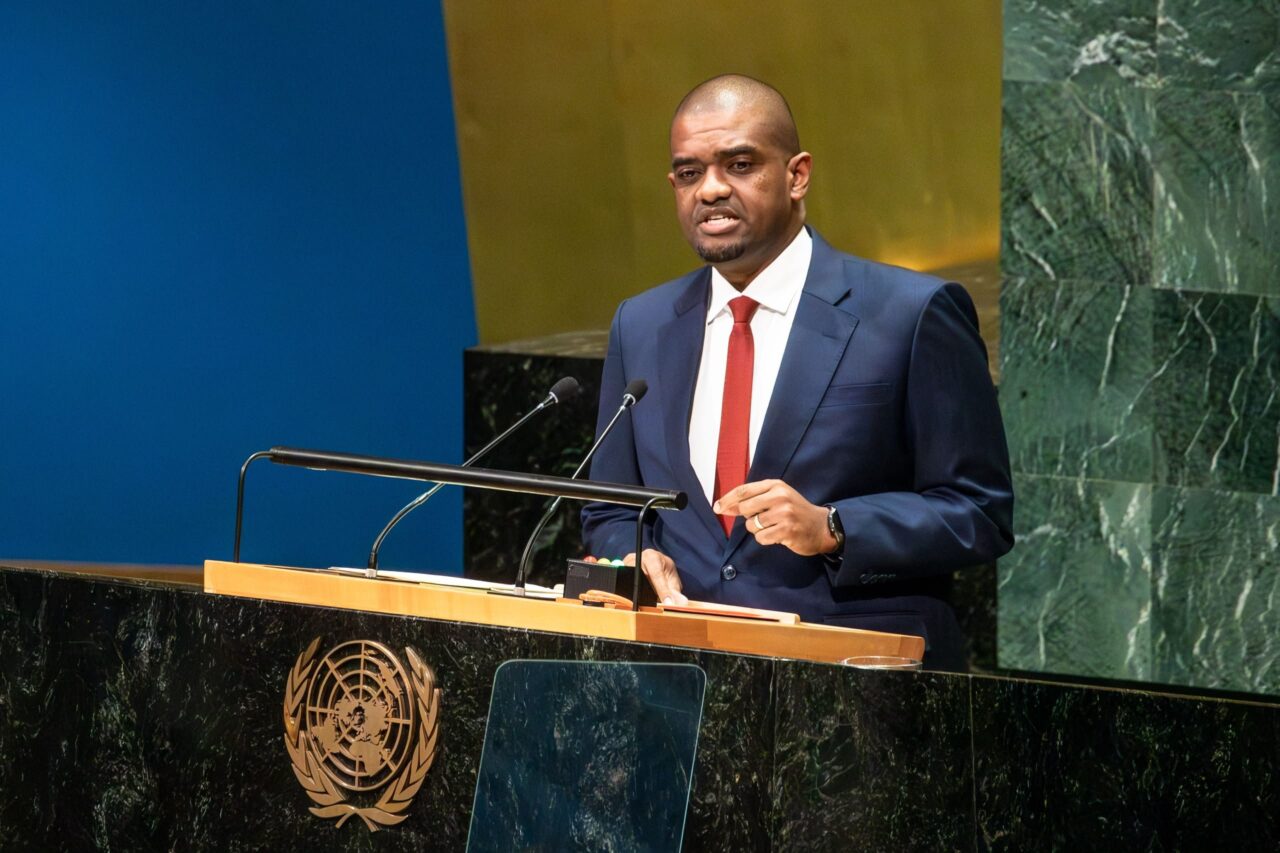
Presenting the Ministry of Finance’s 2026/27 budget proposals in Parliament on June 2, Finance Minister Ambassador Khamis Omar said the government had been forced to adjust its financing strategy due to growing uncertainty in international financial markets.
“To address the challenges that have emerged, the ministry has continued to take various measures. First, strengthening systems and expanding the scope of domestic revenue collection. Second, increasing borrowing from the domestic financial market following the positive performance of government bond and securities auctions,” Omar told lawmakers.
The minister said one of the major challenges facing the government was the rising cost of borrowing in international markets, which had affected access to the amount of external financing originally anticipated.
“Despite the achievements recorded in implementing the ministry’s priorities and responsibilities, several challenges emerged, including the increase in borrowing costs in international financial markets, which affected the availability of the expected level of loans,” he said.
Omar also cited low adoption of electronic payment technologies, escalating global trade and military conflicts that have disrupted supply chains, changes in development partners’ policies that have reduced aid flows, a growing backlog of payments owed to contractors and suppliers, and increasing demand for capacity-building among public servants in environmental management and artificial intelligence.
READ MORE: Exchange Rate Swings Have Small but Real Impact on Tanzania’s Exports, Study Finds
To improve public finance management, the minister said the government would continue promoting digital systems across public services.
“We will encourage and strengthen the use of electronic systems in payments, service delivery, revenue collection and public financial management,” he said.
Parliament has approved the Ministry of Finance’s TZS 21.34 trillion budget for the 2026/27 fiscal year, up from TZS 20.18 trillion in 2025/26. Of the approved allocation, TZS 14.71 trillion has been earmarked for servicing the public debt.
The government’s increased reliance on domestic financing comes as Tanzania’s domestic debt continues to grow. Official figures show that by March 2026, the country’s total public debt had reached TZS 114.4 trillion, with domestic debt accounting for TZS 38.45 trillion.
Domestic debt has more than doubled from TZS 14.73 trillion in 2020, while its share of total government debt has risen from 26.7 percent to 33.6 percent over the same period.
Much of the domestic debt portfolio is held by commercial banks and pension funds through long-term Treasury bonds.
The trend reflects a broader pattern across developing economies. The International Monetary Fund (IMF) has warned that while domestic borrowing can help governments mobilize local resources, reduce exchange-rate risks and deepen local capital markets, excessive dependence on domestic debt can expose financial systems to greater risks if governments face repayment difficulties.
The IMF has described the growing use of domestic debt as a “double-edged sword,” noting that stronger links between governments, banks and pension funds require careful management to safeguard financial stability.
Parliament’s Budget Committee has also expressed concern over the rising level of domestic borrowing. Committee Chairman Mashimba Ndaki said that while Tanzania’s public debt remains sustainable, the government should reduce domestic borrowing to create more space for private-sector access to affordable credit.
Ndaki urged the government to focus more on revenue collection and investment promotion as long-term solutions for financing development and reducing pressure on domestic financial markets.
As Tanzania prepares for the 2026/27 fiscal year, the government’s strategy signals a growing emphasis on mobilizing local resources at a time when global financing conditions are becoming increasingly uncertain.