
Tarime — In the bustling border town of Tarime, the contrast between the wealth extracted from the earth and the poverty experienced by its residents is a source of deep, simmering resentment.
During a recent youth dialogue, young people from across the district voiced their frustration over what they describe as the systemic exclusion of local communities from the benefits of the North Mara gold mine.
The session, recorded on May 23, 2026, and published on June 5, was the eighth episode of the Dira Mtaani: Vijana Wanasemaje programme.
Organised by The Chanzo and Twaweza East Africa, the dialogue brought together 17 young people aged between 17 and 35, alongside local government officials, in Saba Saba ward.
When asked if the region’s vast mineral wealth was reflected in their daily lives, the response was overwhelmingly negative.
Nelson Ezron, a young participant, pointed to the most visible symbol of this disconnect: the road connecting Tarime town to the mine in Nyamongo.
READ MORE: ‘Just to Live’: Broken Loans and Silent Leaders Leave Musoma’s Youth With No Faith
“If you look at the road from Tarime town to Nyamongo, it is full of potholes, very dangerous potholes,” Ezron explained.
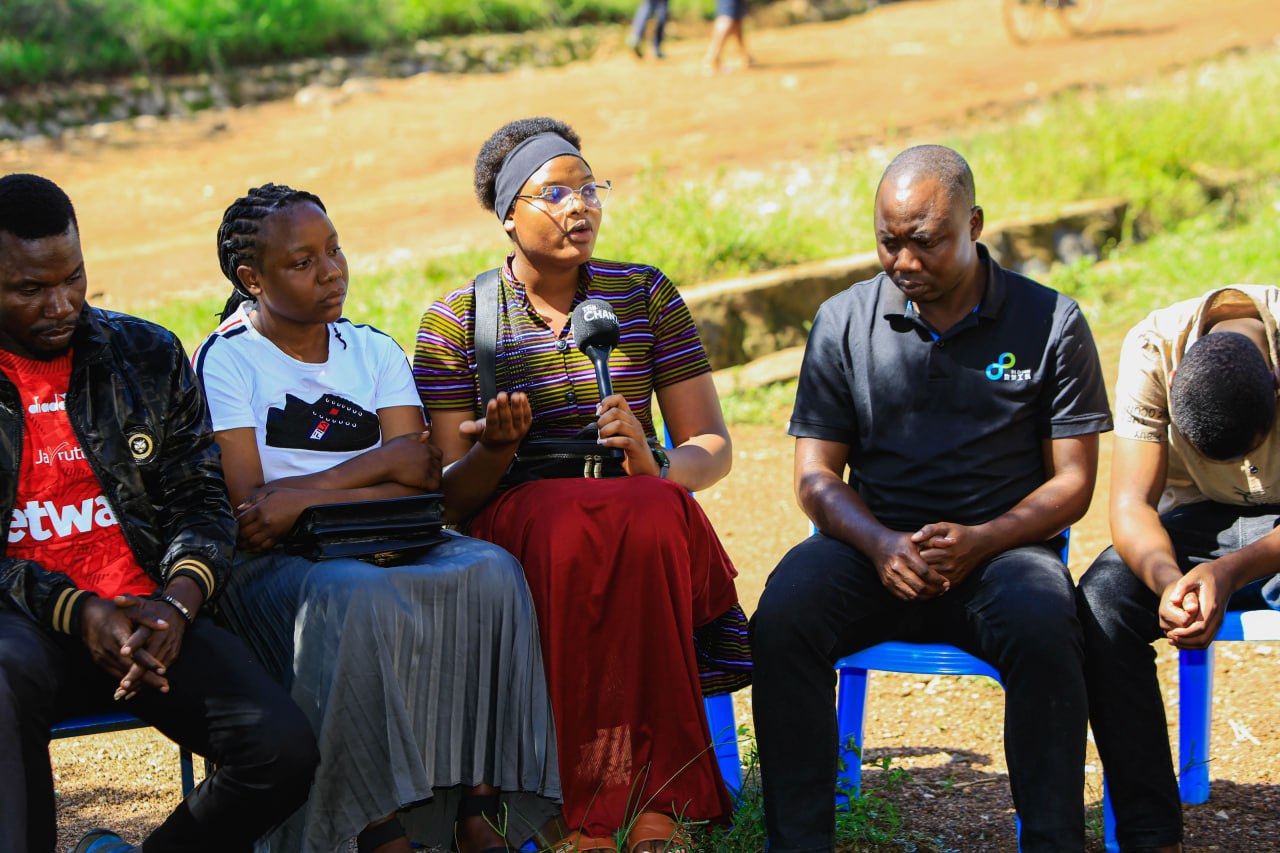
“For a large mine like Nyamongo, that road should be paved all the way to the mine,” he added. “If we cannot even see this basic benefit with our own eyes, how are we getting these other hidden benefits?”
The North Mara mine, operated as a joint venture between Barrick Gold (84 per cent) and the Government of Tanzania (16 per cent), has long been a flashpoint for community tensions.
According to a 2024 study by the International Peace Information Service (IPIS), the area has been a “hotspot for land conflicts for years.”
The IPIS research revealed that the continued expansion of the mine has led to significant land disputes, valuation and compensation issues, and negative impacts on people’s livelihoods due to reduced availability of land for agriculture and artisanal mining.
READ MORE: No Factory, No Future: Musoma’s Youth Are Left with Two Bad Options
During the dialogue, participants echoed these findings, arguing that the mine’s benefits are captured by a small elite.
“Those who benefit the most are the people at the top levels and the foreigners who export it out of the country,” one participant noted.
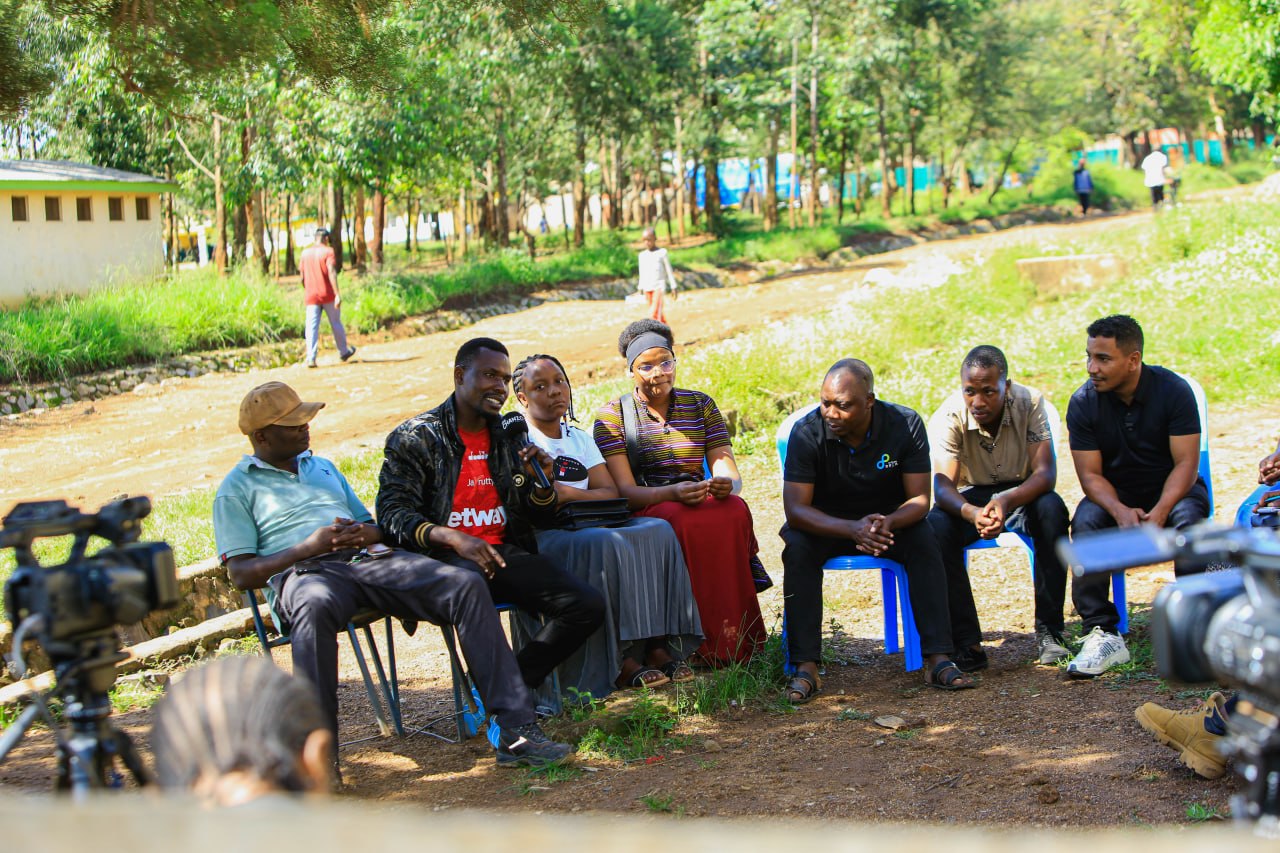
“We ask the government to ensure that every citizen, from the lowest to the highest level, benefits from the presence of the mine at Nyamongo.”
The frustration is compounded by the criminalisation of local youth who attempt to access the mine’s resources.
One participant described how young people who try to benefit from the mine are labelled as “intruders” or invaders.
“We are the citizens who have reached a point where we see that under the current government system, we are failing to benefit from the mine,” he explained.
“We use clever ways to enter there just to get enough income to manage our families,” he added. “But the government needs to establish proper channels or funds that we ordinary citizens can benefit from.”
Another participant suggested that the revenue generated from the mine should be directly channelled into poverty alleviation programmes.
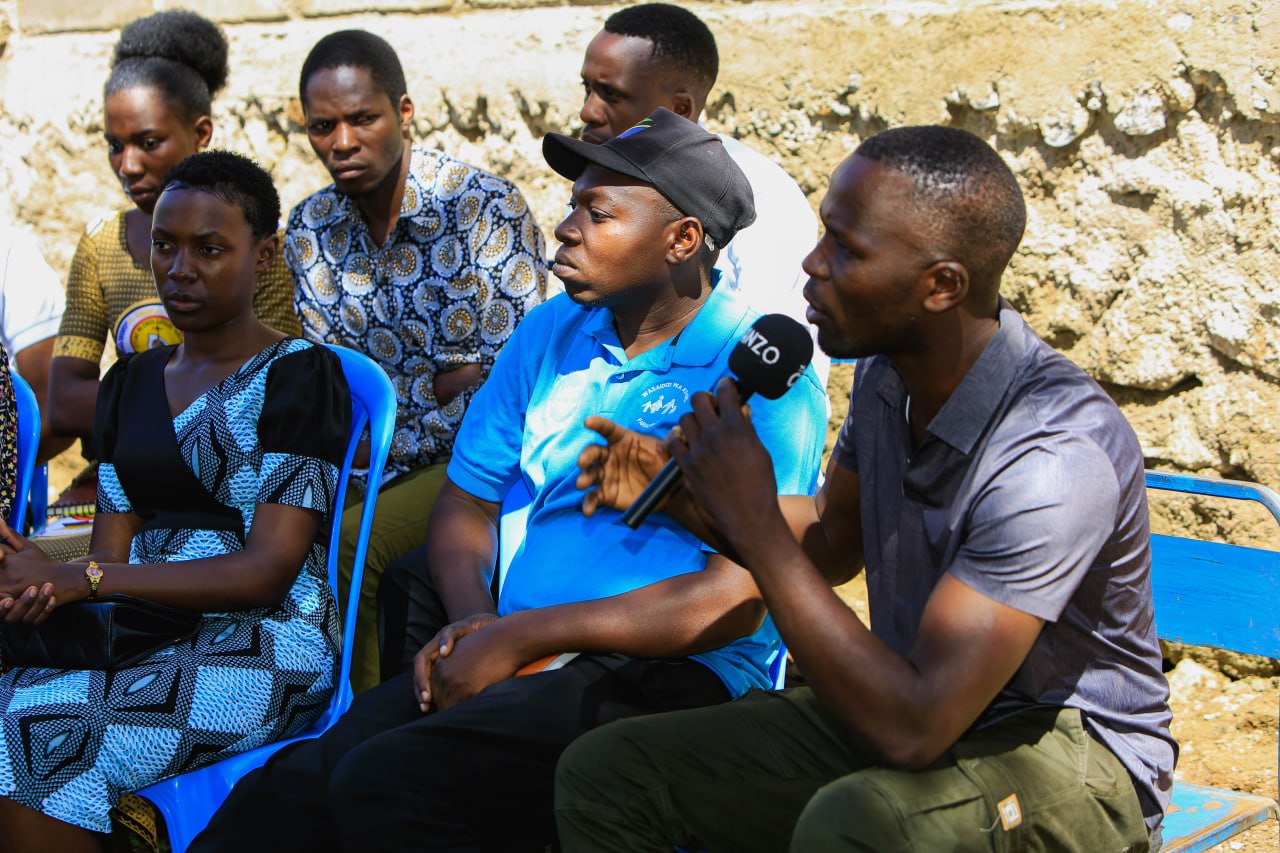
“They should use the revenue from the mine not just to build roads, but to establish loans for the poor—loans that they can afford and repay,” he argued.
As Tanzania promotes its Development Vision 2050, the youth of Tarime appear to struggle to reconcile the national narrative of resource-led development with their lived reality.
“I can say no, absolutely not,” Ezron concluded when asked if Tarime residents benefit from the mine.
“The people who benefit are the few who have interests there, who have invested there. But for us ordinary citizens, we do not benefit from that mine at all.”